







Newsletter Subscribe
Enter your email address below and subscribe to our newsletter

Enter your email address below and subscribe to our newsletter
All voices matter
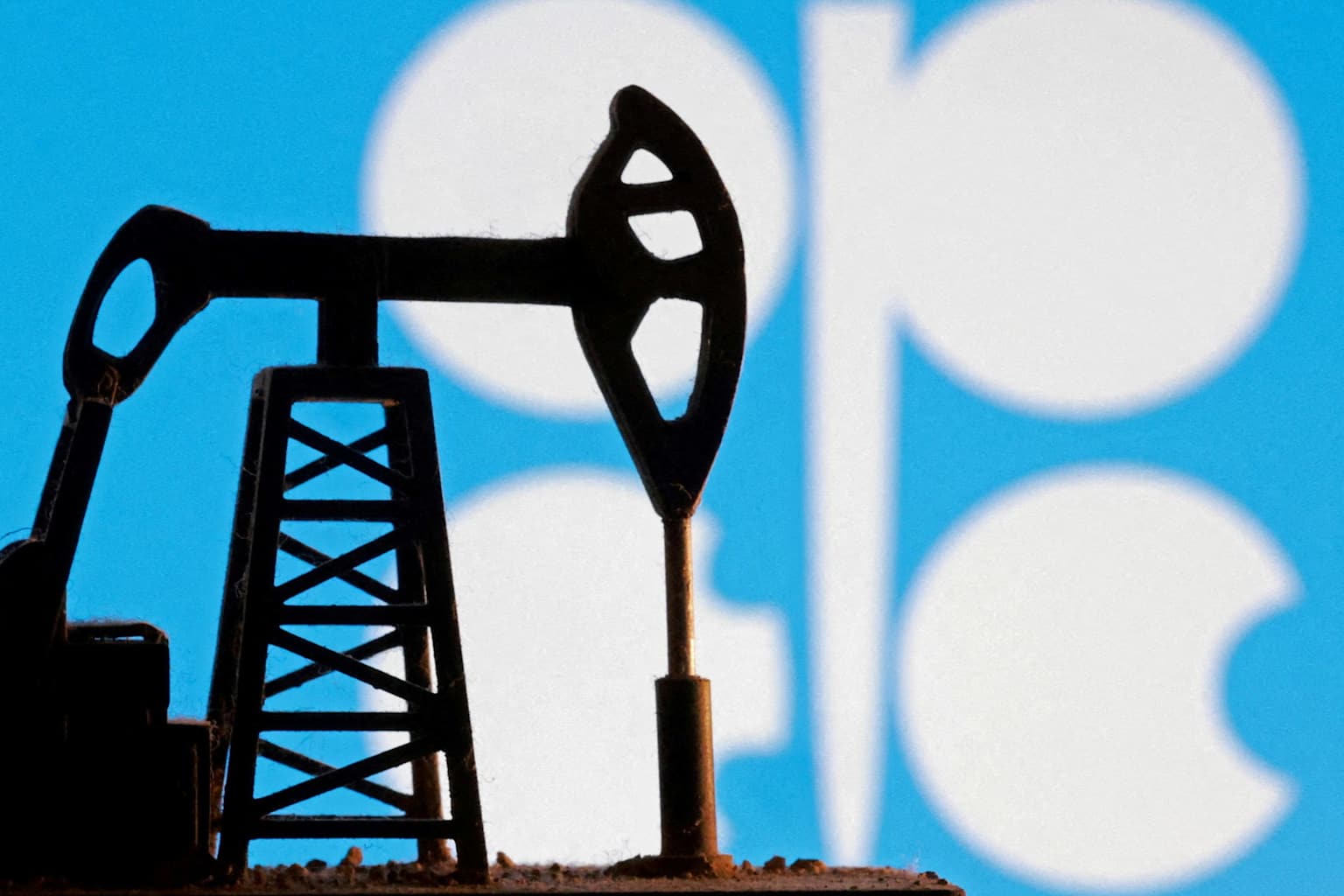
OPEC+ ministers are meeting Sunday to approve a fourth straight increase in oil production quotas, but analysts say the move amounts to little more than a symbolic gesture as the ongoing U.S.-Iran conflict continues to strangle Gulf crude shipments through the Strait of Hormuz.
The 21-member alliance is expected to raise production targets by approximately 188,000 barrels per day starting in July, according to Reuters, matching the size of its June increase. The meetings, beginning at 12:30 GMT Sunday, are not expected to result in broader policy changes.cnbc
Yet with the Strait of Hormuz effectively closed since U.S. and Israeli strikes on Iran in late February, OPEC+ daily output has fallen from nearly 43 million to just 33 million barrels per day, according to figures cited by the group itself. Only seven members — Saudi Arabia, Russia, Iraq, Kuwait, Kazakhstan, Algeria, and Oman — retain the capacity to actually boost production.malaymail
“Any announced production increases or changes to output targets will have limited practical value,” Ole Hansen, head of commodity strategy at Saxo Bank, told AFP. “There is very little OPEC can do.”malaymail
The conflict has compounded OPEC+’s challenges. The United Arab Emirates quit the organization on May 1 after nearly six decades of membership, taking with it substantial excess production capacity. Abu Dhabi has signaled it intends to maximize output independently.cnbc
Homayoun Falakshahi, head of crude oil analysis at data firm Kpler, warned that a U.S. blockade on Iranian ports means actual production is likely even lower than OPEC+’s stated 33 million barrels per day. He cautioned that if Iraq were also to leave, “it could mark the end of OPEC+.”malaymail
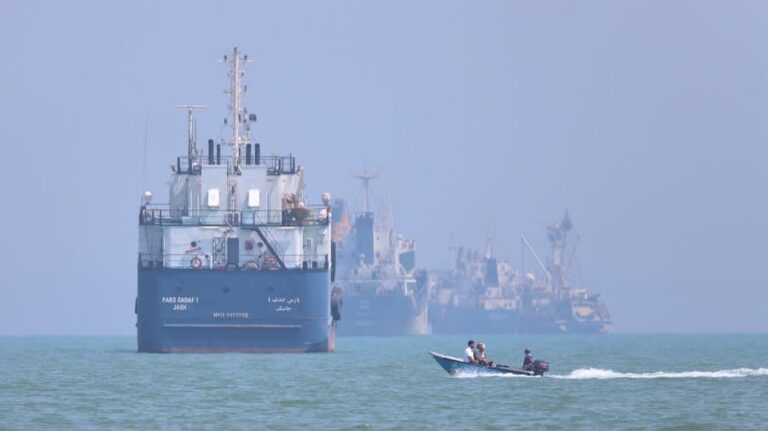
The strait, through which roughly a fifth of global oil and gas supplies normally transit — equivalent to about 20 million barrels per day — remains contested. On Friday, U.S. forces intercepted Iranian ballistic missiles and drones launched toward the waterway, while striking Iranian coastal radar sites in response, further straining a fragile ceasefire. A member of Iran’s negotiating team said Tehran may impose a 30-day deadline before reopening the strait, conditioning it on the elimination of all U.S. and allied threats.cnn
For now, Hansen said, the compensation framework that once disciplined OPEC+ members “has effectively become irrelevant due to widespread production shut-ins.”malaymail