







Newsletter Subscribe
Enter your email address below and subscribe to our newsletter

Enter your email address below and subscribe to our newsletter
All voices matter

ABB chief executive Morten Wierod has warned that Europe risks “mass unemployment” unless the continent urgently deregulates its economy and deepens market integration, as the energy shock from the Iran war threatens to destroy more than a million jobs across the bloc.
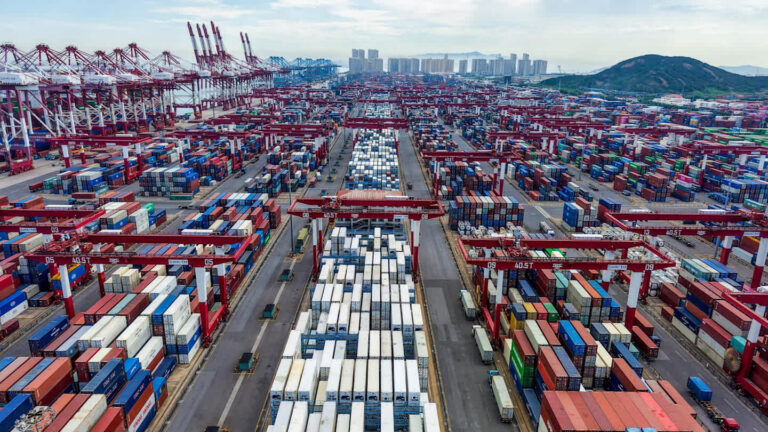
In an interview with the Financial Times published on June 6, Wierod called for sweeping regulatory reform as energy-intensive industries buckle under rising costs linked to the U.S.-Iran conflict. The warning comes days after European Labour Commissioner Roxana Minzatu said the EU could lose up to 1.3 million jobs in 2026, with the automotive sector facing the largest exposure at 600,000 positions. Construction, metals, chemicals, and transport sectors together risk losing a further 56,000 jobs, according to European Commission estimates.tradingview
Wierod has been a consistent critic of European regulation. At Davos in January 2025, he told CNBC that excessive regulation and high compliance costs were pushing frontier businesses away from Europe. His latest remarks carry added urgency as the EU confronts what it calls an employment crisis. The European Commission’s European Semester Spring Package, unveiled on June 4, acknowledged for the first time the scale of the threat.cnbc
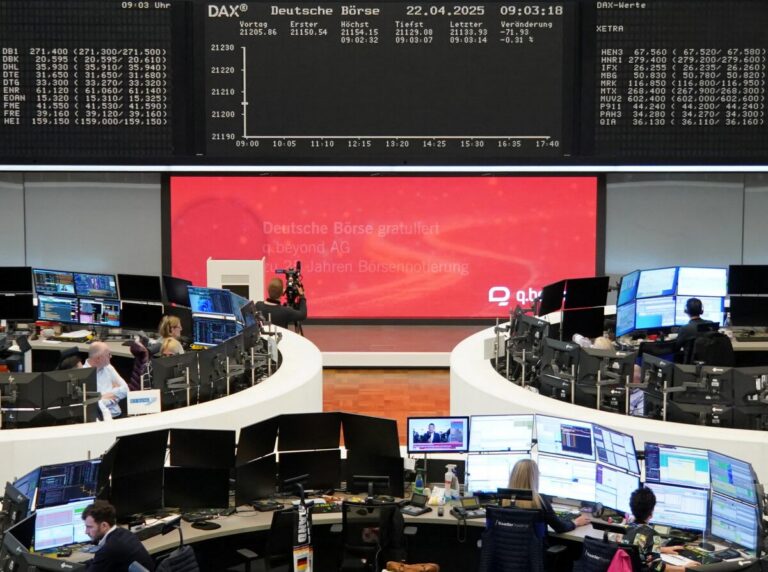
The broader European jobs picture is compounded by projections for the United Kingdom. The OECD’s Economic Outlook, published June 3, forecast that Britain will suffer the biggest rise in unemployment of any major advanced economy, with the rate climbing from 4.8 percent in 2025 to 5.5 percent in 2026 — an increase representing roughly 250,000 additional people out of work.oecd
The OECD pointed to weakening labor demand, “particularly in industries most affected by rising minimum wages,” as a key driver. The UK Office for Budget Responsibility had already projected in March that unemployment would reach 5.3 percent before declining, but the OECD’s more pessimistic figure underscores growing concern about the Labour government’s fiscal approach.thisismoney
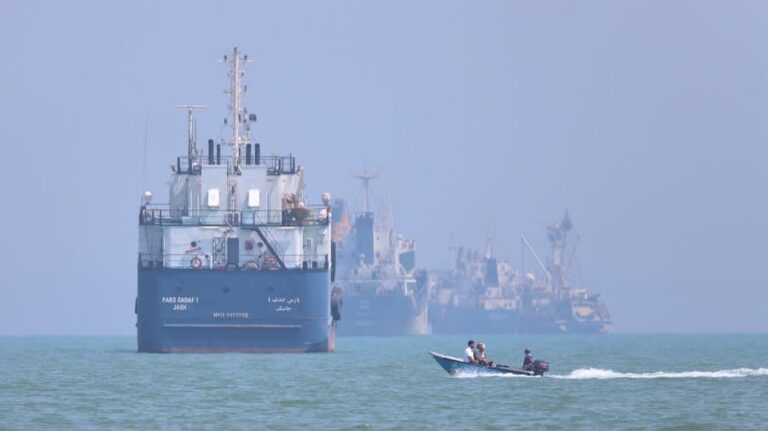
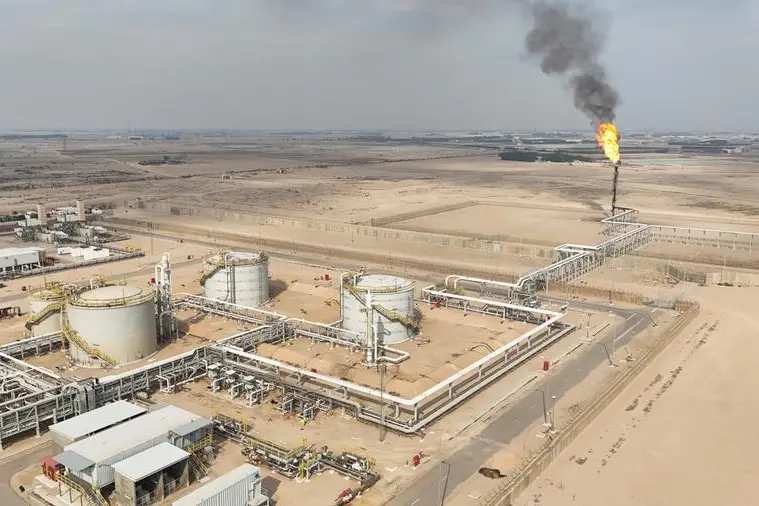
Europe’s energy vulnerability has deepened since the Iran conflict disrupted oil and gas supplies earlier this year, echoing the 2022 shock from Russia’s invasion of Ukraine. CNN reported in April that further production shutdowns and job cuts were expected if the war persisted. The OECD warned that under a prolonged disruption scenario, several economies could be pushed close to recession, with global growth falling to just 2.1 percent in 2026.linkedin