




Newsletter Subscribe
Enter your email address below and subscribe to our newsletter

Enter your email address below and subscribe to our newsletter
All voices matter
Quantitative trend-following hedge funds have emerged as among the top performers of 2026, posting double-digit returns by riding sustained price moves across commodities, currencies, and futures markets driven largely by the ongoing Iran war and its disruption of global energy supplies.
The SG CTA Index, a widely tracked benchmark of the 20 largest commodity trading advisors, was up 12.24% year-to-date as of June 3, with the SG Trend Index gaining 11.12% over the same period. The gains mark a sharp reversal from 2025, when trend-following funds suffered one of their deepest and longest drawdowns in history, finishing as the worst-performing primary hedge fund strategy.withintelligence
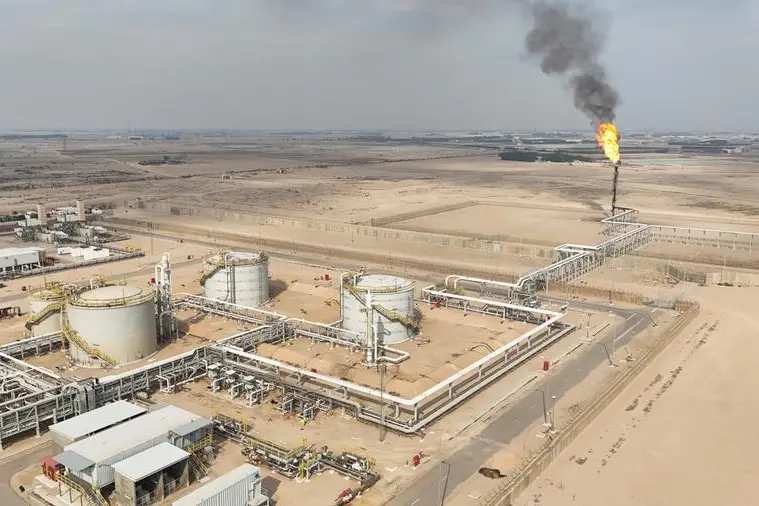
CNBC reported on June 5 that quantitative hedge funds have posted double-digit gains in 2026, “boosted by strong trends across commodities, currencies and other asset classes”. The performance has been underpinned by the closure of the Strait of Hormuz following the U.S.-Israel military conflict with Iran, which the International Energy Agency characterized as the “largest supply disruption in the history of the global oil market”.wikipedia
Brent crude prices surged from the $60-70 per barrel range before the conflict to above $95 per barrel by early June, with prices peaking above $100 in April as shortages intensified. The sustained upward trajectory in energy markets created ideal conditions for momentum-based strategies, which profit by identifying and following prolonged price trends.grahamcapital
Gold prices have also delivered outsized returns for trend followers, climbing past $5,000 per ounce for the first time in January before pulling back to around $4,473 by early June — still up 36% over the prior 12 months. Record prices in gold, alongside rallies in silver and industrial metals like copper, broadened the opportunity set for systematic funds trading across dozens of liquid futures markets.cbsnews
Despite the strong year-to-date gains, signs of moderating momentum in oil markets have prompted some managers to reduce long energy positions. Oil prices fell 2.8% on June 4 after a renewed Israel-Lebanon ceasefire and a U.S. House vote on a war powers resolution aimed at halting military action against Iran raised hopes of an eventual reopening of the Strait of Hormuz. Nordic CTAs reported that gains in energy markets during March were partially offset by losses in equities and fixed income as the conflict triggered cross-asset volatility.ttnews
The outlook for continued CTA outperformance hinges on whether oil and commodity trends persist or reverse sharply — the kind of V-shaped reversal that plagued the strategy in 2025. For now, the geopolitical backdrop continues to provide the directional moves that trend followers need to thrive.withintelligence