







Newsletter Subscribe
Enter your email address below and subscribe to our newsletter

Enter your email address below and subscribe to our newsletter
All voices matter
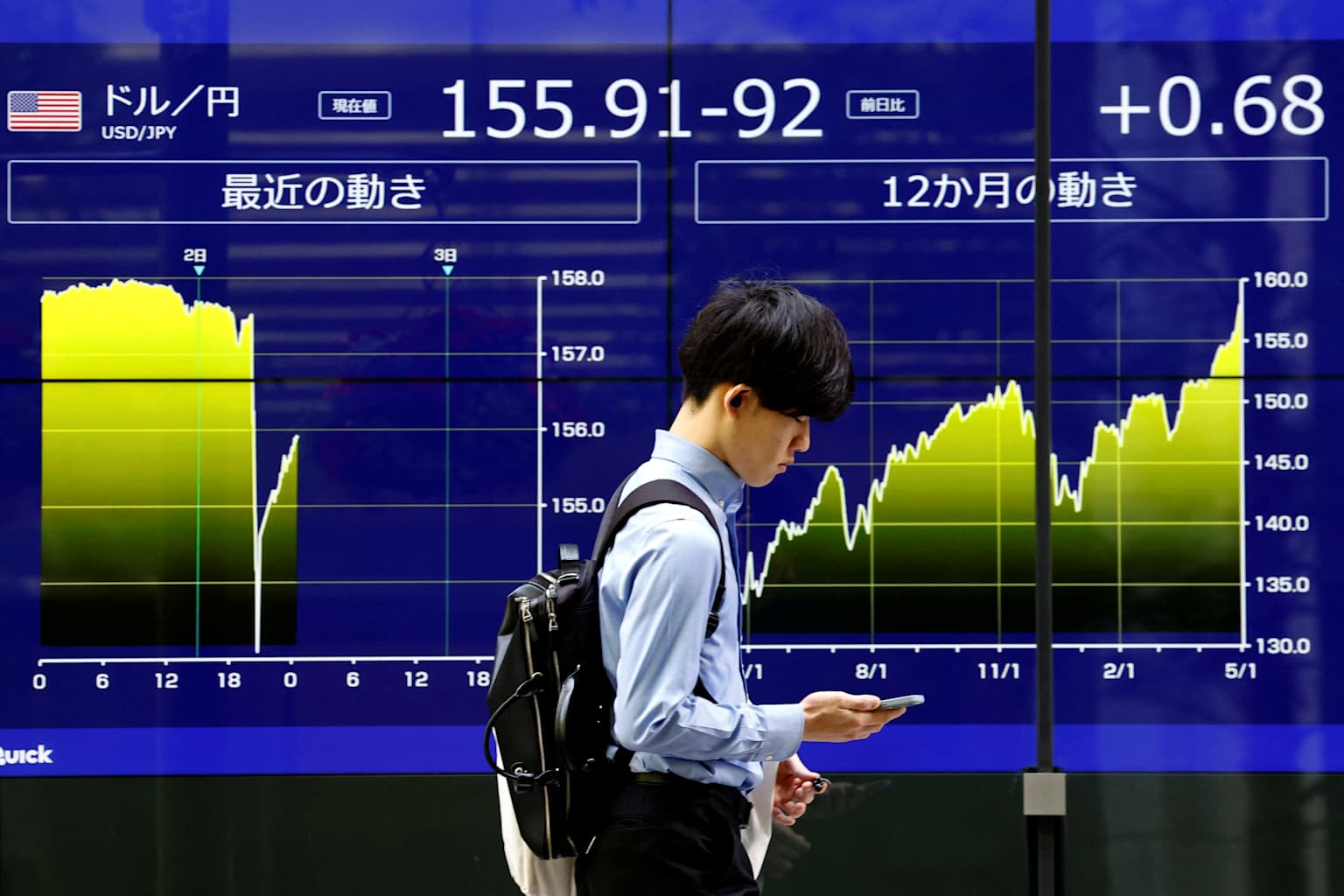
The dollar surged against the Japanese yen on Friday, pushing USD/JPY back toward the closely watched 160 level after May’s US employment report crushed expectations, reigniting bets on a hawkish Federal Reserve and reviving carry trade flows into the greenback.
The US economy added 172,000 nonfarm payrolls in May, more than double the 80,000 consensus forecast compiled by Dow Jones, according to the Bureau of Labor Statistics. The unemployment rate held at 4.3%, and prior months were revised sharply higher, with April’s figure lifted to 179,000 from 115,000 previously reported. Average hourly earnings rose 3.4% year-over-year, matching the slowest pace since 2021.yahoo
Bloomberg reported that the May print marked the strongest three-month stretch of hiring in more than two years. The data immediately strengthened the case for the Federal Reserve to maintain — or even raise — interest rates, widening the policy gap with Japan and drawing fresh demand for the dollar.bloomberg
The pair was trading near 159.93 per dollar following the release, according to Reuters, just below the 160 mark that triggered Japanese government intervention in 2024. Finance Minister Satsuki Katayama warned Friday that Japan “stands ready to respond at any moment” and reserves the right to take “decisive action to combat excessive fluctuations”.yahoo
The yen had strengthened earlier in the week after Bloomberg reported that Bank of Japan officials are likely to discuss raising the policy rate to 1% from 0.75% at their meeting ending June 16. Reuters confirmed that Governor Kazuo Ueda had all but signaled a hike through a shift toward more hawkish rhetoric on Wednesday. Prediction markets on Polymarket priced in a 96% probability of a 25-basis-point increase.bloomberg
Despite the expected BOJ hike, the rate differential between the US and Japan remains wide enough to sustain carry trade demand. Even with a move to 1%, Japan’s benchmark would sit well below the Fed’s restrictive stance, which markets increasingly expect to persist through 2026. Brown Brothers Harriman noted ahead of the release that “additional evidence that US labor demand is stabilizing would reinforce the US growth outperformance story and underpin a firmer USD,” while cautioning that the 160 level should cap gains “due to the threat of currency intervention”.bbh
The collision of a stronger-than-expected US labor market with Japan’s gradual tightening cycle leaves the yen pinned near the threshold where Tokyo has historically stepped in — setting the stage for a potential confrontation between market forces and policymakers ahead of the BOJ’s June 16 decision.