






Newsletter Subscribe
Enter your email address below and subscribe to our newsletter

Enter your email address below and subscribe to our newsletter
All voices matter
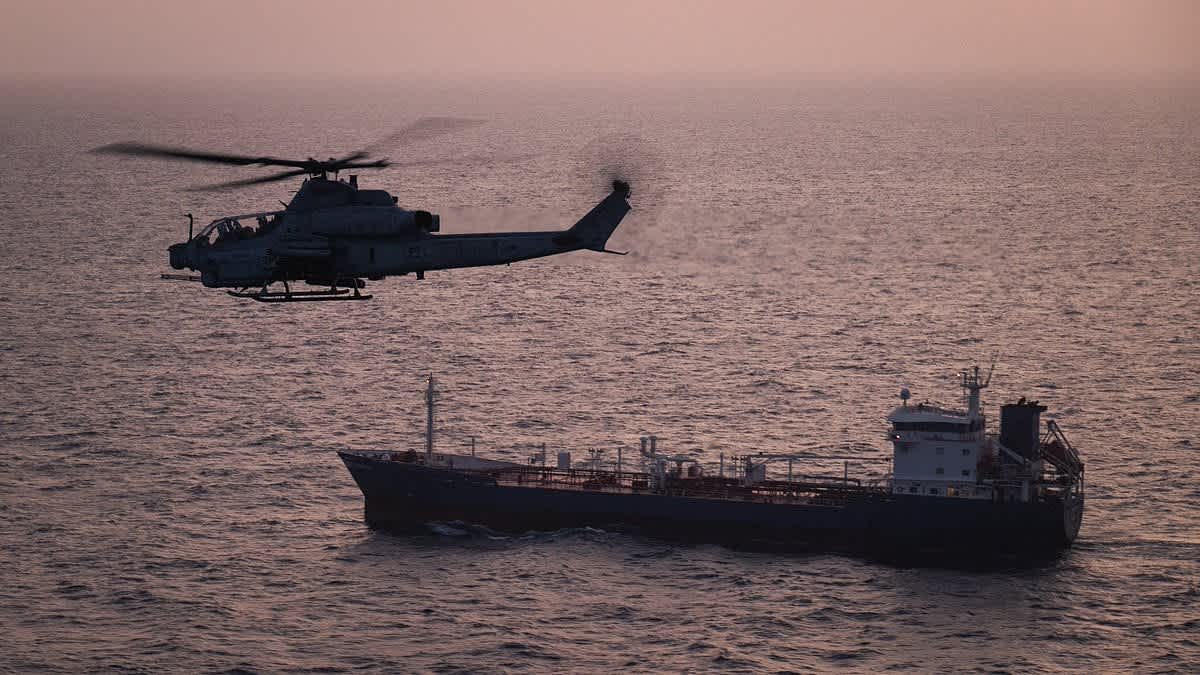
The International Energy Agency has warned that global oil markets risk entering a “red zone” within weeks as emergency reserves deplete and the Strait of Hormuz remains largely closed, while commodity trading giant Trafigura estimates the world is losing 14 million barrels per day of oil supply in what the IEA has called the largest energy crisis in history.
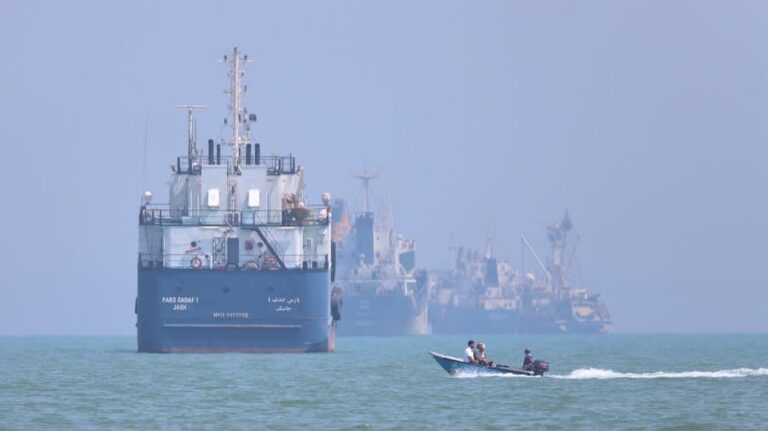
Speaking at the Chatham House think tank in London on May 21, IEA Executive Director Fatih Birol said that oil markets “may be entering the red zone in July or August” if shipping flows through the Strait of Hormuz do not resume and no new oil emerges from the Middle East. Birol emphasized that the “single most important solution” to the energy shock stemming from the US-Iran conflict is the full and unconditional reopening of the strategically vital waterway, which has been effectively closed since hostilities began in late February.cnbc
The IEA’s May Oil Market Report projected that global oil supply would decline by 3.9 million barrels per day on average in 2026 due to the war, slashing its prior forecast, which had anticipated a 1.5 million barrel-per-day drop.aawsat
Trafigura, which published its half-year results on June 4, provided the most detailed picture yet of the supply destruction. In its marketplace review, chief economist Saad Rahim estimated daily losses of approximately 14 million barrels per day compared to pre-conflict levels, noting that without bypass routes and alternative pipelines, the figure would exceed 20 million barrels per day.trafigura
The company reported that Brent crude and diesel prices are roughly 60 percent above pre-war levels, with gasoline more than 50 percent higher and jet fuel over 70 percent higher. Trafigura warned that even if a peace deal materializes, “restoring production and shipping flows to pre-conflict levels would still take months, meaning a supply deficit would likely persist regardless”.trafigura
Trafigura recorded a net profit of $4.1 billion for the six months ending March 31, surpassing its entire fiscal year 2025 profit of $2.7 billion.reuters
OPEC Secretary General Haitham Al Ghais, speaking at the St. Petersburg International Economic Forum on June 4, said the organization expects robust demand growth and is not changing its estimates despite the conflict. However, he warned of a “large, hidden shortfall in global supply, estimated at about 12 million barrels per day that are currently not reaching the market”.aawsat
A Reuters poll of 33 analysts published May 29 forecast Brent crude averaging $90.44 per barrel in 2026, up from $86.38 projected the prior month. UBS expects Brent to remain near $100 through year-end and only ease into the low $80s by spring 2027. Earlier in the conflict, Saudi officials projected Brent could spike to $180 per barrel if disruptions persisted, according to The Wall Street Journal, while Wood Mackenzie analysts warned that “$200 a barrel is not outside the realms of possibility”.reuters
As Trafigura’s Rahim concluded: “The factors that have contained prices so far — elevated inventories, floating cargoes, coordinated SPR releases, a shoulder season, and demand destruction across Asia and Africa — have bought the market time, but are not a solution. Those buffers are now largely spent”.trafigura