






Newsletter Subscribe
Enter your email address below and subscribe to our newsletter

Enter your email address below and subscribe to our newsletter
All voices matter
Global food prices slipped slightly in May, ending a three-month streak of increases but remaining close to their highest level in more than three years, the United Nations Food and Agriculture Organization said on Friday.tradingview
The FAO Food Price Index, which tracks monthly changes in a basket of globally traded food commodities, fell 0.2% from a revised April level, according to the agency’s monthly update released June 5. In April, the index had averaged 130.7 points — its highest since February 2023 — after climbing for three consecutive months.tradingeconomics
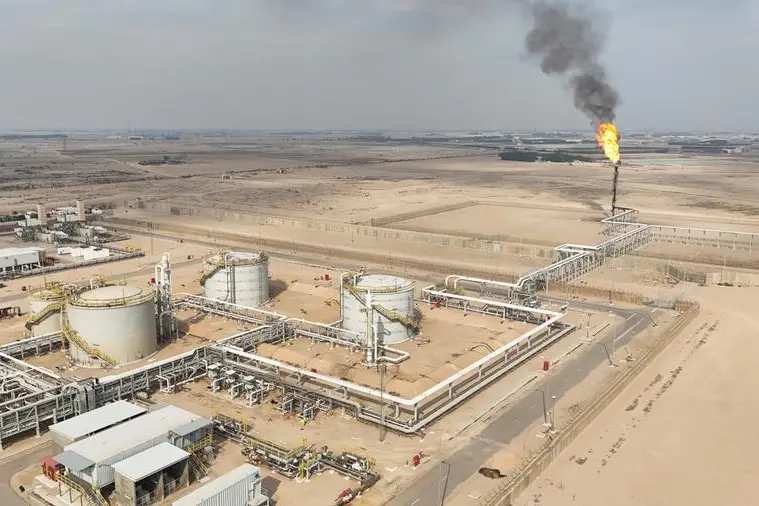
The decline was driven in part by a retreat in vegetable oil prices, which fell for the first time this year. The FAO Vegetable Oil Price Index had surged 5.9% in April to its highest level since July 2022, propelled by rising palm, soy, sunflower, and rapeseed oil costs. The rally had been fueled by soaring energy prices linked to the conflict in Iran and the effective closure of the Strait of Hormuz, which boosted demand for biofuels derived from oil-rich crops.fao
FAO Chief Economist Máximo Torero said in May that vegetable oil prices had been driven by energy costs pushing up biofuel demand, though he noted agricultural and food systems were showing resilience, with cereal prices held in check by sufficient supplies from prior harvests.reuters
Alongside the price data, the FAO forecast a roughly 2% decline in world cereal production for the 2026-27 season. The agency had already flagged headwinds for the new crop year: global wheat production is expected to fall about 3% from last year’s record to around 810 million tonnes, as farmers shift away from fertilizer-intensive crops amid elevated input costs tied to energy disruptions around the Strait of Hormuz.syngenta
The production outlook contrasts with the current season’s abundance. FAO had pegged 2025 global cereal output at a record 3.04 billion tonnes, with world cereal stocks forecast to reach 954.6 million tonnes — the highest on record for wheat and rice.fao
Food prices have seesawed in 2026 after falling for five straight months through January. The war-related closure of the Strait of Hormuz beginning earlier this year pushed energy and fertilizer costs higher, triggering consecutive monthly increases in February, March, and April. Despite the recent run-up, the index remains well below its March 2022 peak following Russia’s invasion of Ukraine. The World Bank has projected food commodity prices will remain broadly stable in 2026, though it has warned of risks from extreme weather and trade policy uncertainty.reuters