Newsletter Subscribe
Enter your email address below and subscribe to our newsletter

Enter your email address below and subscribe to our newsletter
All voices matter
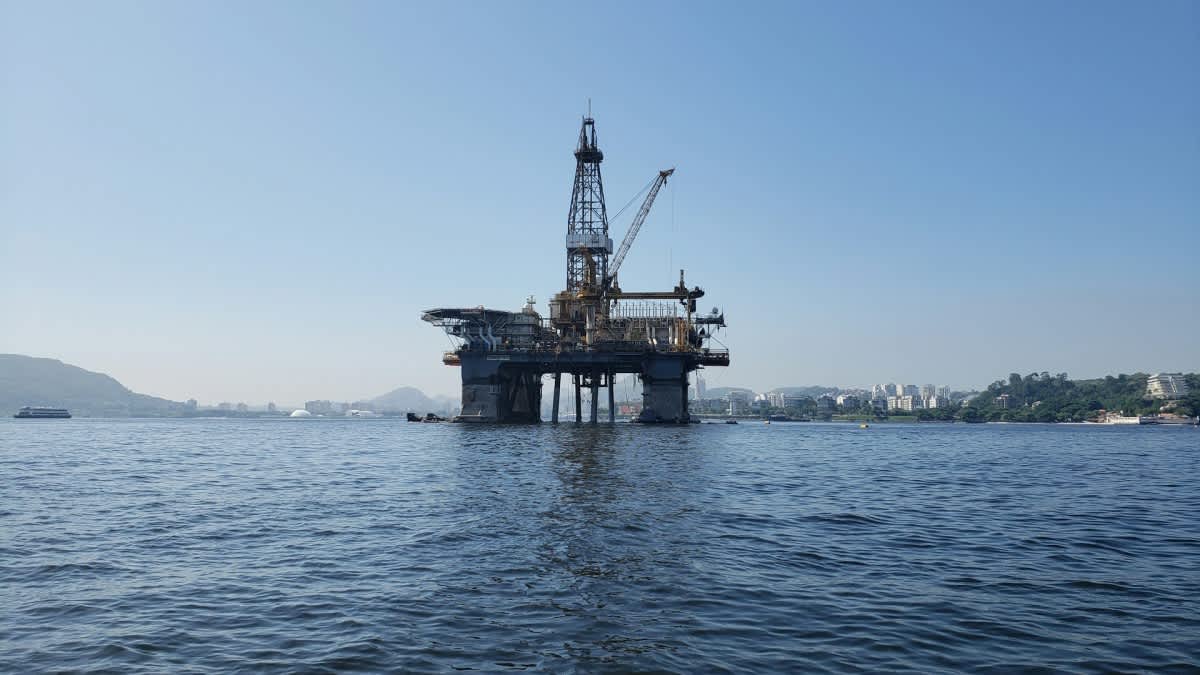
South America has posted its largest-ever year-over-year gain in crude oil exports in 2026, shipping a record 787 million barrels from January through May — an increase of approximately 155 million barrels compared to the same period last year — as the region fills a widening supply gap left by the near-total closure of the Strait of Hormuz, according to a Reuters analysis published on June 3.reuters
The surge, led by Brazil, Guyana, and Venezuela, has positioned the continent as a de facto swing supplier in global oil markets, a role historically held by Saudi Arabia within OPEC.reuters
Brazil, Guyana, and Venezuela collectively added around 145 million barrels in shipments during the first five months of the year, more than offsetting slight declines from Colombia, Ecuador, and Peru. Brazil’s oil production hit a record 4.24 million barrels per day in March 2026, driven by ultra-deepwater pre-salt developments, placing the country on track to become a top-five global producer by decade’s end. Venezuela’s exports rose to 1.25 million barrels per day in May, up 61% from the same month last year, with cargoes flowing to the United States, India, and Europe.oilprice
Guyana’s rise has been the most dramatic. The tiny South American nation of fewer than one million people began oil exports only in 2020, shipping 17 million barrels in 2021. By the January-to-May period of 2026, that figure had reached 137 million barrels — a 700% increase over five years, the fastest growth rate among major oil exporters. ExxonMobil operates the country’s offshore Stabroek block, where production exceeded 926,000 barrels per day by late February.intellectia
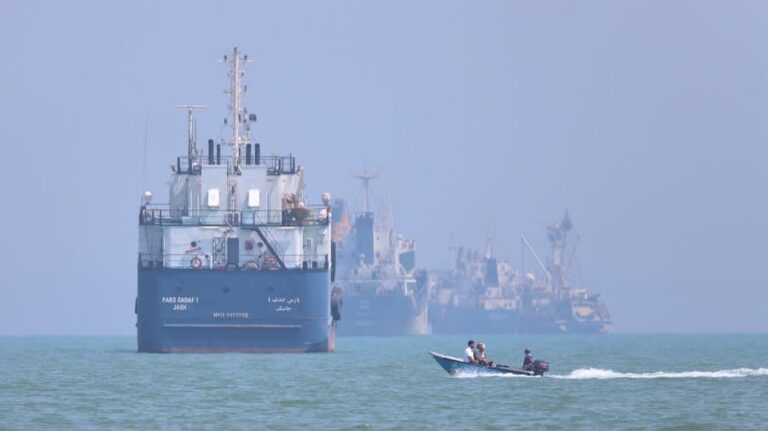
The Strait of Hormuz, through which roughly 20% of the world’s oil supply passes, was effectively closed by Iran on March 2, 2026, in response to U.S. and Israeli military strikes on February 28. The closure sent oil prices surging roughly 67% from early February levels and forced global markets to seek alternative supply sources.carraglobe
Analysts at Goldman Sachs have said the U.S. economy would remain relatively unharmed even if the strait stayed closed indefinitely, owing to limited American reliance on Middle Eastern exports and the capacity to outbid poorer nations for available supply. But the disruption has accelerated a structural shift in global oil trade toward Atlantic basin producers.investopedia
The U.S. Energy Information Administration had forecast before the crisis that Brazil, Guyana, and Argentina would account for roughly half of the 800,000 barrels per day of global production growth expected in 2026. That projection now appears conservative given the Hormuz disruption. Venezuela’s oil ministry forecasts output reaching 1.37 million barrels per day by year-end, which would represent a 22% increase from early 2026 levels.worldoil
With Guyana’s production expected to reach 1.7 million barrels per day by 2030 and Brazil continuing to expand pre-salt output, South America’s role as a counterweight to Middle Eastern supply constraints appears set to deepen.oilprice