







Newsletter Subscribe
Enter your email address below and subscribe to our newsletter

Enter your email address below and subscribe to our newsletter
All voices matter
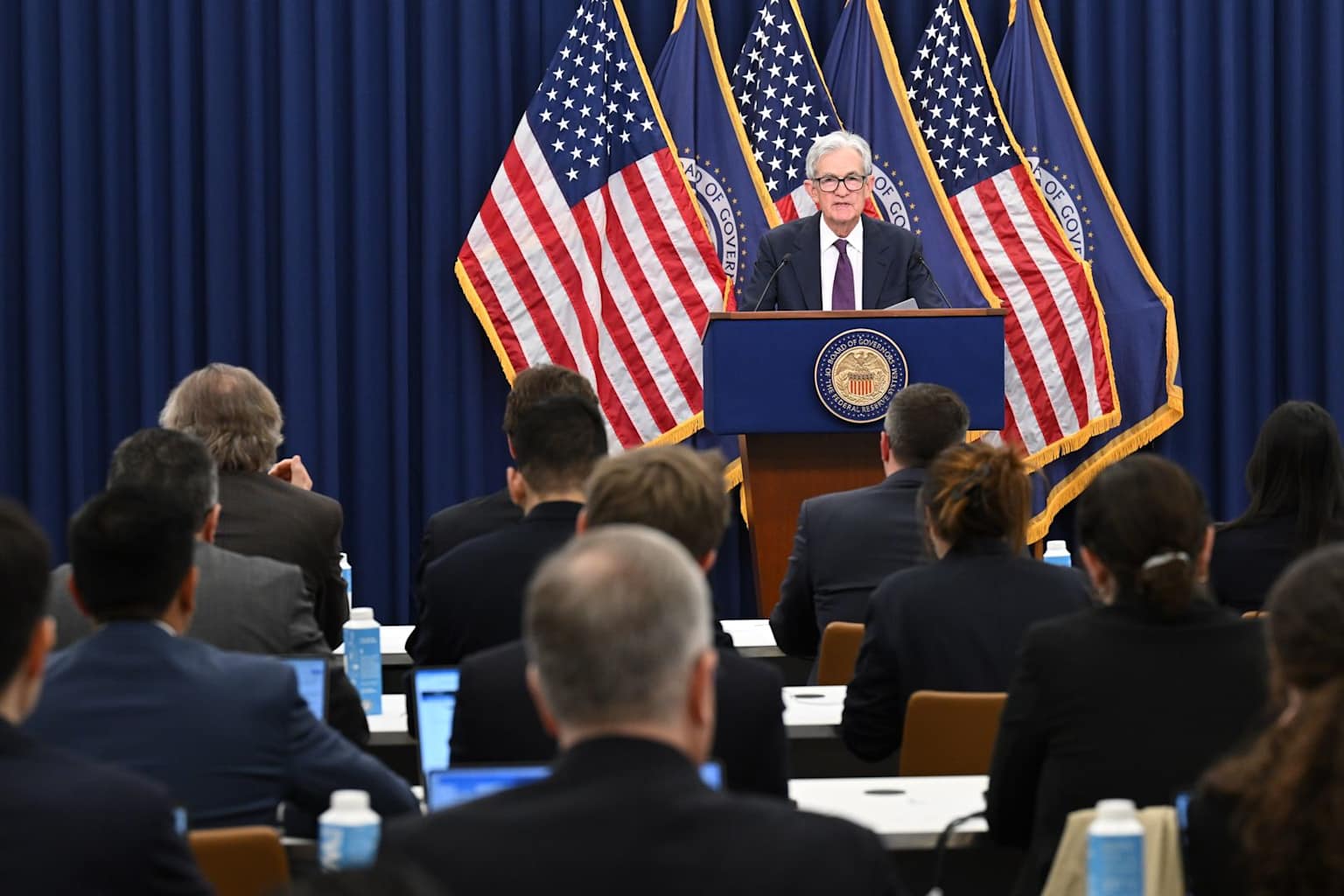
The US dollar held near a two-month high on Thursday, supported by a combination of renewed military hostilities between the United States and Iran and economic data that has reinforced expectations the Federal Reserve will keep interest rates elevated for the foreseeable future.
The dollar index traded around 99.5 on Thursday, its strongest level since early April, after Iranian missile and drone attacks on US military facilities in Kuwait and Bahrain on June 3 triggered a fresh wave of safe-haven buying. US Central Command said its forces intercepted multiple Iranian ballistic missiles and drones, then conducted retaliatory strikes against an Iranian ground control station on Qeshm Island in the Strait of Hormuz.tradingeconomics
The attacks — which also struck Kuwait International Airport, killing one person and injuring more than 60 — came as peace negotiations between Washington and Tehran enter their third month without a concrete agreement. President Donald Trump told the New York Post that Iran has agreed not to pursue nuclear weapons, but a deal to reopen the Strait of Hormuz and extend the ceasefire remains unsigned, with Trump requesting revisions to the latest draft. The lingering uncertainty has kept a residual safe-haven bid under the greenback.rferl
Beyond geopolitics, the dollar has been supported by a repricing of Federal Reserve expectations. With US headline inflation running at 3.8 percent in April — driven by the energy shock from the Iran conflict — and core PCE at 3.3 percent, markets have moved from pricing rate cuts earlier this year to assigning roughly 42 percent probability to a rate hike by December, according to the CME FedWatch Tool.vtmarkets
The Fed held rates steady at 3.50–3.75 percent at its March meeting and has given no indication that easing is imminent. Brown Brothers Harriman analysts wrote this week that the May nonfarm payrolls report, due Friday, will be pivotal in determining whether the dollar index breaks above its year-long trading range of 96 to 100. “Additional evidence that US labor demand is stabilizing would reinforce the US growth outperformance story and underpin a firmer USD,” the firm said.bbh
The dollar’s strength has weighed across asset classes. EUR/USD traded near 1.16, well below the 1.18 levels seen earlier this year, while USD/JPY remained near 160 — territory that Brown Brothers Harriman noted sits close to Japanese intervention thresholds. Oil prices have rallied on the Gulf tensions, with crude moving back toward $100 a barrel, while gold has faced headwinds from the stronger dollar and rising rate expectations.convera
With the FOMC next meeting on the horizon and the Strait of Hormuz still effectively closed, analysts see the dollar maintaining its bid. “The dollar stays firm in the near term,” wrote Cambridge Currencies, adding that weakness would only materialize “if the Iran ceasefire is signed and US inflation cools.”cambridgecurrencies