







Newsletter Subscribe
Enter your email address below and subscribe to our newsletter

Enter your email address below and subscribe to our newsletter
All voices matter
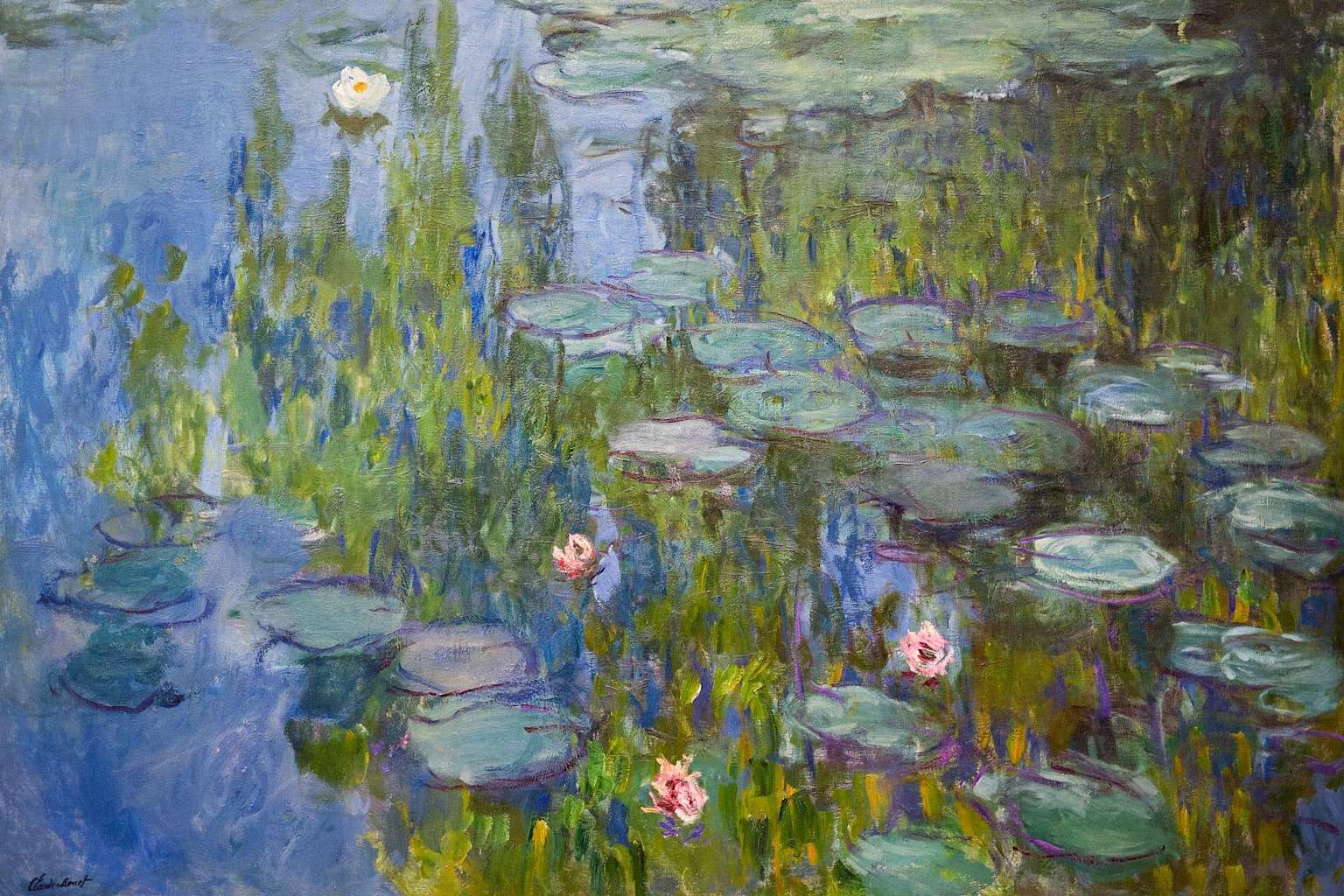
An anonymous conceptual artist turned social media into an unwitting psychology lab this week, posting an authentic Claude Monet painting on X with a fake “Made with AI” label — and watching as users lined up to tear it apart as soulless, poorly composed slop.
The experiment, carried out by the pseudonymous digital artist known as SHL0MS, began on May 12 when the account posted a cropped image from Monet’s famed Water Lilies series — a collection of roughly 250 oil paintings the French Impressionist created over the final three decades of his life — along with a caption inviting users to explain “what makes this inferior to a real Monet painting.”petapixel
The responses were swift and confident. “There is no cohesion to the depth and color choices,” wrote one user. “The reflection of the tree bleeds into the lilypads with no regard for spatial depth or contrast.” Another declared: “Monet actually understood how light behaves on water.” One commenter dismissed the work as having “no soul,” while another called it outright “crap” and demanded that “AI needs to go.”petapixel
An especially committed critic penned an 850-word analysis of the supposed AI artwork’s failings. Others drew diagrams of “eye lines” to illustrate what they described as incoherent composition. As the post went viral and the reveal spread, many began quietly deleting their replies — but not before SHL0MS and other users captured screenshots.petapixel
The stunt echoes findings from peer-reviewed research. A 2024 study published in Nature found that participants generally preferred AI-generated artworks over human-made ones when they did not know the origin — but preferred AI art less once informed a machine had created it. An earlier 2004 study on the “effort heuristic” similarly showed that people value art more when they believe it required greater human labor.petapixel
The experiment has reignited a broader debate about what some commentators have called an “anti-AI witch hunt” in online art communities. Artists who work digitally have reported being falsely accused of using generative AI, with some scaling back experimental techniques to avoid suspicion. One digital artist wrote in March 2026 that their decades-old sketches — predating tools like Midjourney and DALL-E — had been flagged as AI-generated.plasticallyperfect
SHL0MS, a self-described “NFT performance artist,” has a history of provocative conceptual projects, including selling an NFT of a blank image and destroying a Lamborghini to auction the fragments. The Monet experiment fits squarely within that tradition: using the internet’s reflexive impulses to expose something about how people form judgments.substack
As one X user summarized the episode: “A live demonstration of how a single label changes what people see.”x