






Newsletter Subscribe
Enter your email address below and subscribe to our newsletter

Enter your email address below and subscribe to our newsletter
All voices matter
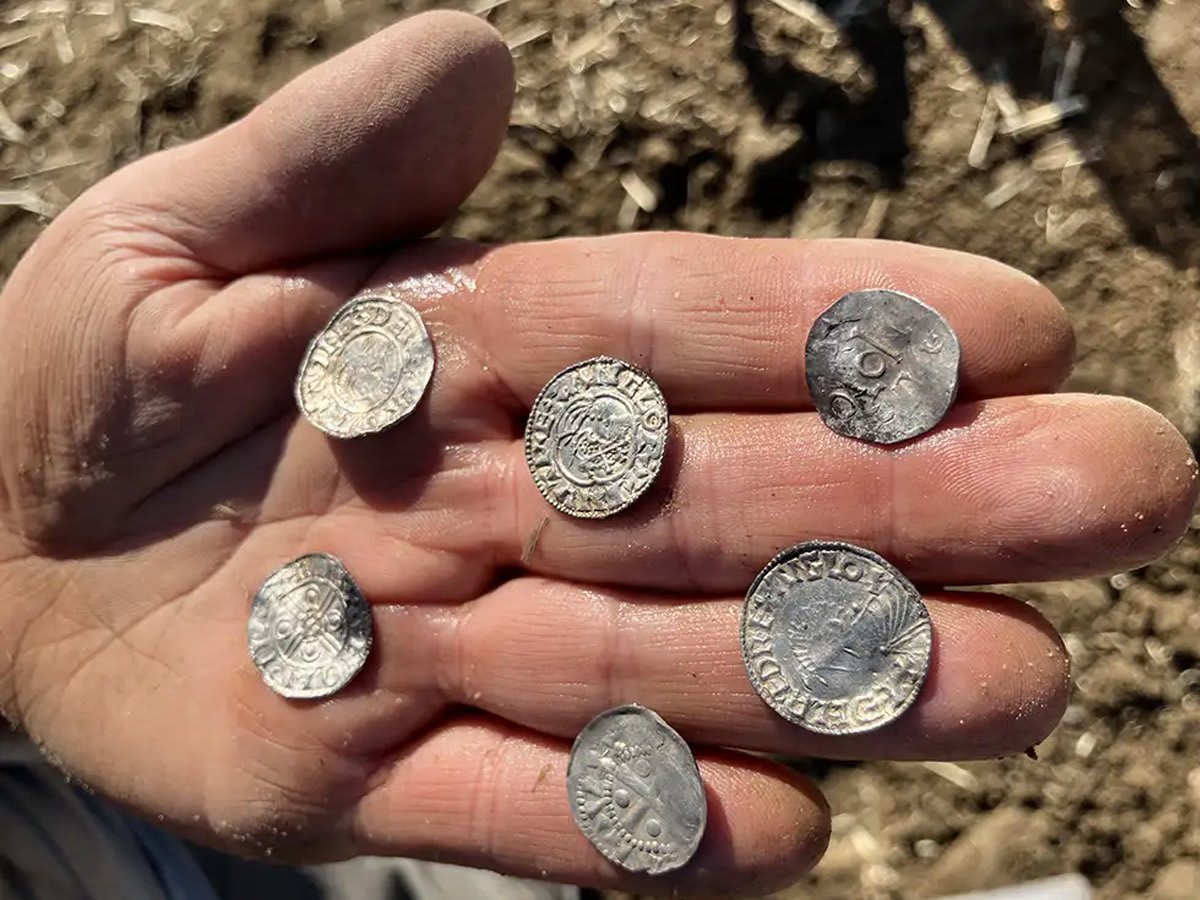
Two metal detectorists sweeping a farm field near the village of Rena in eastern Norway stumbled upon what archaeologists have confirmed is the largest Viking Age coin hoard ever discovered in the country. The find, dubbed the Mørstad Hoard, has so far yielded more than 3,000 silver coins dating to the late 10th and early 11th centuries, with excavations still underway.sciencenorway
The discovery began on April 10, when hobbyists Vegard Sørlie and Rune Sætre pulled 19 silver coins from a field in Østerdalen, Innlandet County, and realized they needed to call in professionals. Within a week, archaeologists from Norway’s Directorate for Cultural Heritage had recovered thousands more. By late April, Innlandet County officials reported that more than 3,150 coins had been cataloged, with the search for additional artifacts still ongoing.livescience
“We have previously found Viking Age coin hoards containing around 2,000 coins, but never more than 3,000,” Svein Gullbekk, a professor at the University of Oslo’s Museum of Cultural History, told Science Norway. “They have broken a barrier here. This is truly exceptional.”sciencenorway
The hoard is dominated by foreign currency, reflecting the vast commercial reach of late Viking Age Scandinavia. Experts at the University of Oslo have identified English pennies minted under King Æthelred II and Cnut the Great, German coins from the reign of Holy Roman Emperor Otto III, and Danish and early Norwegian coins — including some struck under King Harald Hardrada. The coins span the 980s to the 1040s, and researchers believe the cache was buried around 1047 to 1050, a turbulent period of political upheaval as Norway transitioned toward its own national coinage system.ancient-origins
Archaeologists believe the coins were originally stored in a leather pouch or similar organic container that decayed over time, allowing ploughing to scatter them across the field. Fragments of hacksilver — cut pieces of silver jewelry used as currency during the Middle Ages — were also found alongside the coins.yahoo
Gullbekk estimates that further investigation of the field and surrounding area will continue for at least a couple more seasons, raising the possibility that the final tally could climb higher still. Archaeologists also plan to search for signs of a nearby settlement that might explain why such a vast sum was buried in the Østerdalen countryside nearly a millennium ago.sciencenorway