





Newsletter Subscribe
Enter your email address below and subscribe to our newsletter

Enter your email address below and subscribe to our newsletter
All voices matter
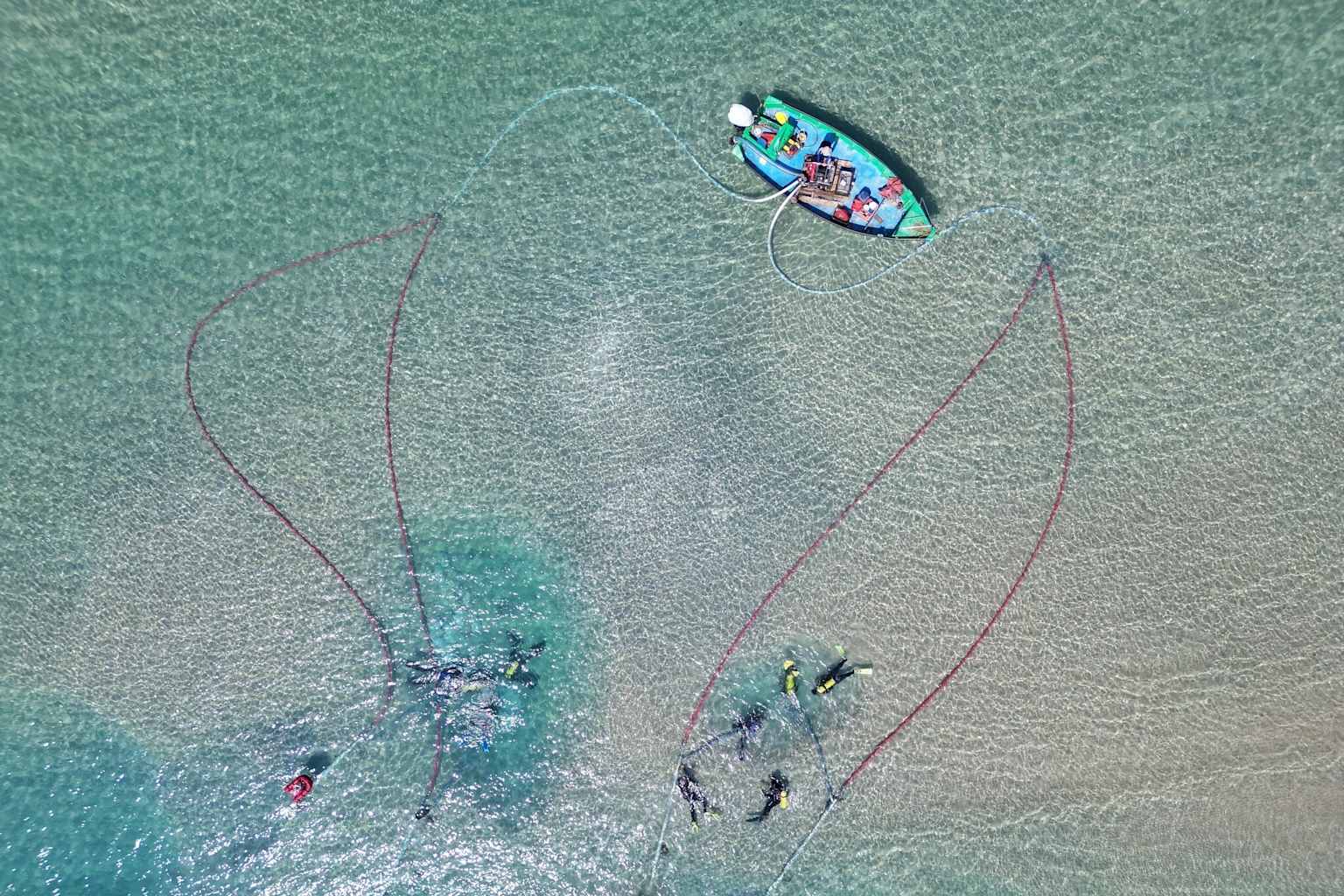
Researchers at the University of Haifa announced Wednesday that an underwater excavation off Israel’s northern Mediterranean coast has uncovered what they describe as the earliest known seaborne shipment of raw iron, dating back roughly 2,600 years. The nine chunks of unprocessed iron, known as “blooms,” were recovered from a shipwreck in the Dor Lagoon near the Carmel Coast and published in the peer-reviewed journal Heritage Science, part of the Nature group.news
The discovery challenges long-held assumptions about how iron moved through ancient trade networks. Scholars had generally believed that iron was smelted and immediately hammered into finished billets at production sites. The Dor Lagoon blooms show no signs of forging or further processing, indicating they were shipped in their raw, as-smelted state to be worked elsewhere.israel
“This is the earliest archaeological evidence known today of the maritime transport of iron blocks in the state in which they emerged from the smelting process,” said Prof. Tzilla Eshel of the University of Haifa, who led the study. Unlike copper and bronze, iron in antiquity could not be melted into liquid form. Instead, ore was heated with charcoal to produce a solid, porous mass riddled with slag and impurities, which blacksmiths would normally hammer while hot to create usable metal.themedialine
Radiocarbon dating of a charred oak twig embedded in one of the blooms placed the cargo in the late seventh or early sixth century BCE — a turbulent period when control of the region shifted between the Assyrian, Egyptian, and Babylonian empires. Eshel told The Times of Israel that the timing was likely no coincidence: “This was a tense period of constant conquering of the Southern Levant, and iron was a very important resource. If you produce blooms, that means someone is waiting for them on the other side”.timesofisrael
The blooms, each weighing between five and 10 kilograms, were remarkably well preserved. Their outer slag layer acted as a natural shield against corrosion, keeping the iron inside fresh after more than two millennia underwater. Prof. Aren Maeir of Bar-Ilan University, who was not involved in the study, called the findings revealing. “There has been a big debate over whether it was possible that iron smelting would take place in one location, and smithing in a different one,” he told The Times of Israel. “Now we know that it was possible that these two stages of production happened separately”.timesofisrael
The shipwreck is one of three Iron Age cargo deposits previously identified in the Dor Lagoon, spanning the 11th to 6th centuries BCE, documented in an earlier study published in Antiquity. Researchers hope future analysis will determine the geographic origin of the iron, and plan to resume excavations in the lagoon later this year.phys