





Newsletter Subscribe
Enter your email address below and subscribe to our newsletter

Enter your email address below and subscribe to our newsletter
All voices matter
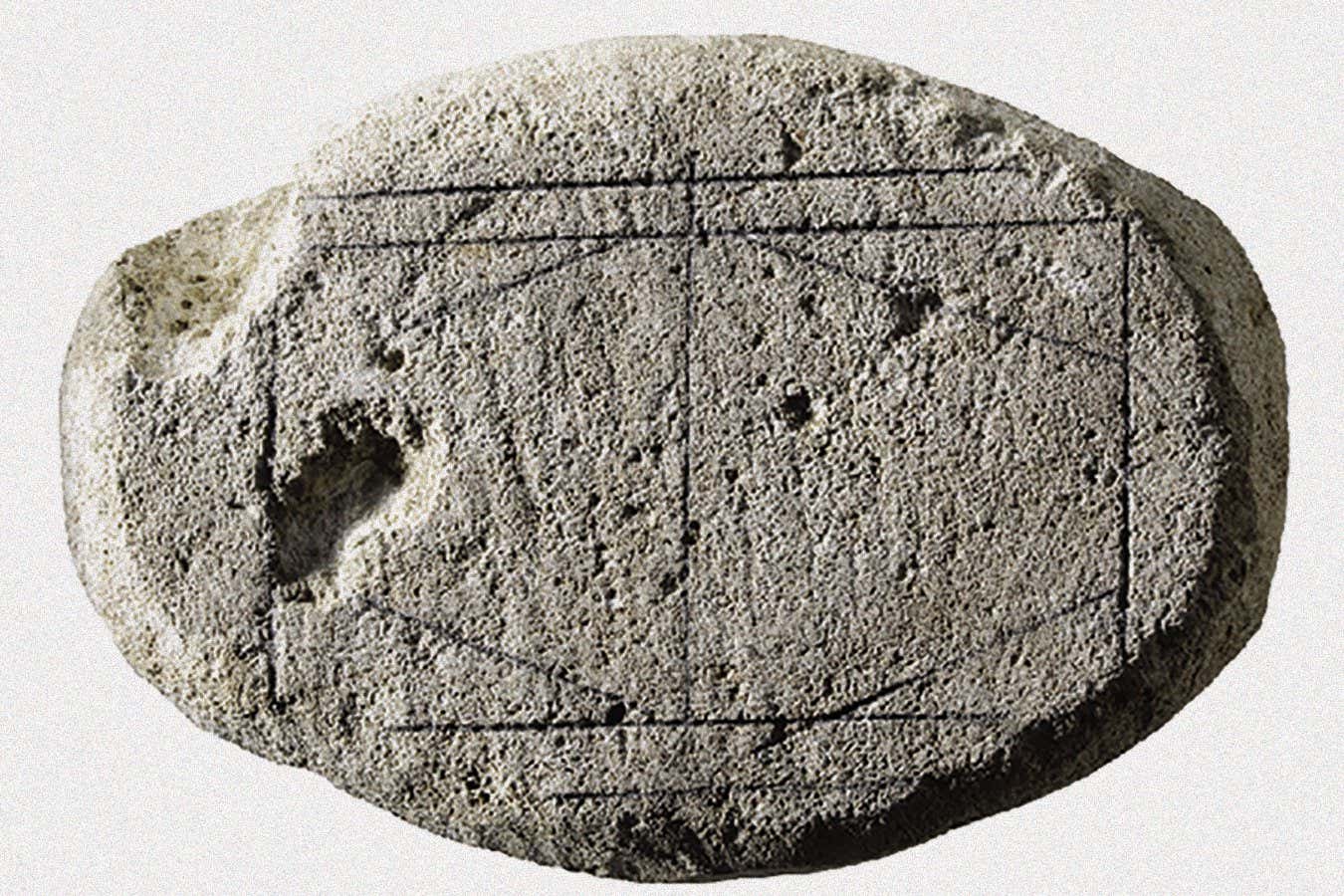
Researchers have harnessed artificial intelligence to crack the mystery of how Romans played their board games some 1,600 years ago, using archaeological evidence and thousands of simulated matches to reconstruct playable rules for games whose instructions were lost to history.
A team led by Walter Crist at Leiden University in the Netherlands and Cameron Browne at Maastricht University employed an AI gaming system called Ludii to analyze ancient game boards and generate plausible rulesets. The system pitted two AI players against each other, simulating thousands of games with varying initial piece counts and 130 rule modifications drawn from various ancient European board games.newscientist
The methodology involves breaking games down into fundamental units called “ludemes”—elements of gameplay such as the number of players, piece movements, and victory conditions. Once a game is codified this way, researchers fill in the missing rules with relevant historical data and AI simulations.vice
“One key method is AI-driven rule generation, where algorithms simulate various plausible rulesets based on the game’s structure,” said Éric Piette at the Catholic University of Louvain in Belgium.scribd
The approach was applied to Ludus Latrunculorum, a Roman strategy game that historical records describe only partially. Ancient texts reveal it was played on a gridded board with orthogonal movement and custodial capture—where a piece is taken by being surrounded on opposite sides—but complete rules were never recorded.matthewstephenson
When simulations were run on boards of various sizes found at Roman archaeological sites, researchers discovered that “game sessions became mind-numbingly long as the board size increased,” according to Browne. This led them to conclude that smaller boards were most suitable to historical descriptions, while larger boards found on the outskirts of the Roman Empire “are probably some other games that we don’t know about,” said Crist.youtube
The research indicates that Europeans were playing blocking games centuries earlier than previously thought. More than 200 computer scientists, archaeologists, and historians have now joined a new European network called GameTable to develop more sophisticated AI tools for studying historical games.gizmodo
“These games act as a window into the past, offering glimpses into the social and cultural dynamics of the people who played them,” said Piette, who leads the GameTable network.scribd
The reconstructed games are available to play online through platforms like the Ludii Portal, allowing anyone to experience what ancient Romans might have enjoyed during their leisure time.ludii