





Newsletter Subscribe
Enter your email address below and subscribe to our newsletter

Enter your email address below and subscribe to our newsletter
All voices matter
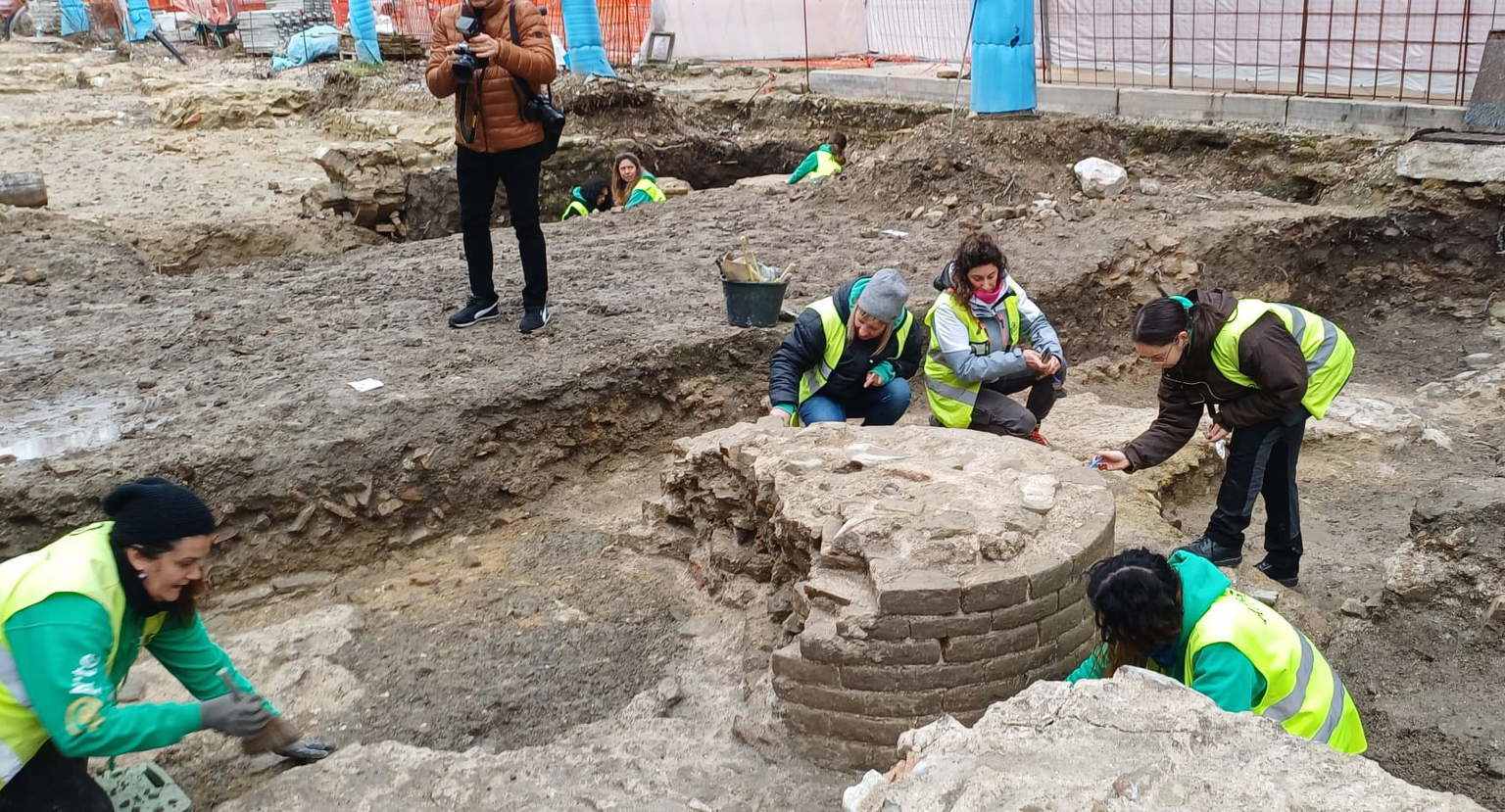
Italian officials on Monday announced the discovery of a more than 2,000-year-old public building attributed to Vitruvius, the ancient Roman architect and engineer known as the “father of architecture.” The announcement ends a centuries-long search for the only structure the legendary figure claimed to have personally designed and built.
“It is a sensational finding … something that our grandchildren will be talking about,” Italian Culture Minister Alessandro Giuli said at a press conference. The discovery was made in the central Italian city of Fano, located northeast of Rome.aawsat
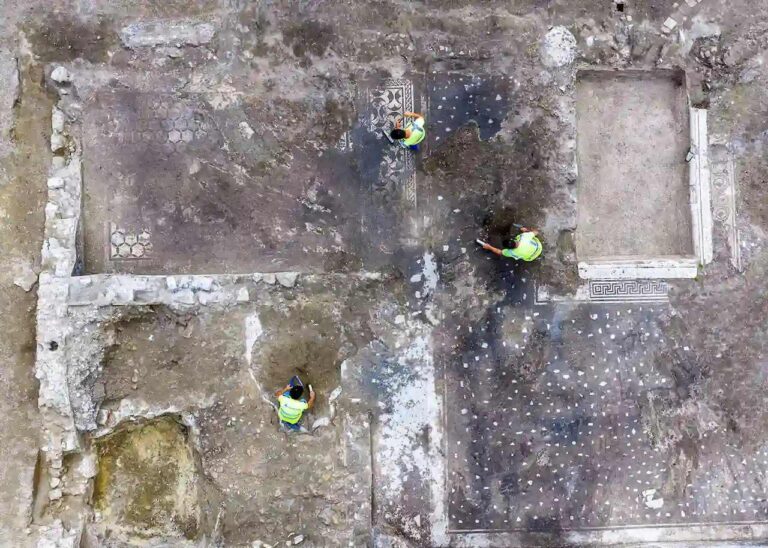
Archaeologists uncovered the remains of the ancient basilica during redevelopment work in Piazza Andrea Costa. The structure’s layout corresponds exactly to descriptions Vitruvius provided in the fifth book of his treatise “De architectura” (The Ten Books on Architecture), the oldest surviving work on the subject.arkeonews
“I feel like this is the discovery of the century, because scientists and researchers have been searching for this basilica for over 500 years,” said Fano Mayor Luca Serfilippi.scmp
Regional archaeological superintendent Andrea Pessina told reporters that the team found “an absolute match” between the excavated remains and Vitruvius’ ancient descriptions. The basilica featured a rectangular design with eight columns along the longer side and four on the shorter sides. When archaeologists uncovered traces of four columns, they used Vitruvius’ measurements to calculate where the fifth corner column should be located. Upon digging, they found it immediately.aawsat
“There are few certainties in archaeology … but we were impressed by the precision” of the match, Pessina added.reuters
Vitruvius, who lived in the 1st century BC, authored the foundational text of Western architecture. His teachings on classical proportions influenced artists for centuries, including Leonardo da Vinci, whose famous drawing of the human body is known as the Vitruvian Man.scmp
The basilica at Fano is the only building Vitruvius explicitly claimed to have “cared for” himself, attributing to it “supreme dignity and beauty”. According to his treatise, the structure faced the center of the Roman forum and aligned with the Temple of Jupiter.finestresullarte
The search for the basilica gained renewed momentum in 2023, when construction work uncovered Roman walls and marble pavements. The current excavation, funded by Italy’s National Recovery and Resilience Plan, provided the definitive confirmation.arkeonews
Officials say further excavation will determine whether more of the basilica lies underground and if the site can eventually be opened to the public. At least one million euros in funding is needed to continue the work and protect the fragile remains.devdiscourse
There is growing interest in seeking UNESCO World Heritage status for Fano, with officials hoping the discovery could transform the region’s cultural and tourism prospects.greekreporter