







Newsletter Subscribe
Enter your email address below and subscribe to our newsletter

Enter your email address below and subscribe to our newsletter
All voices matter
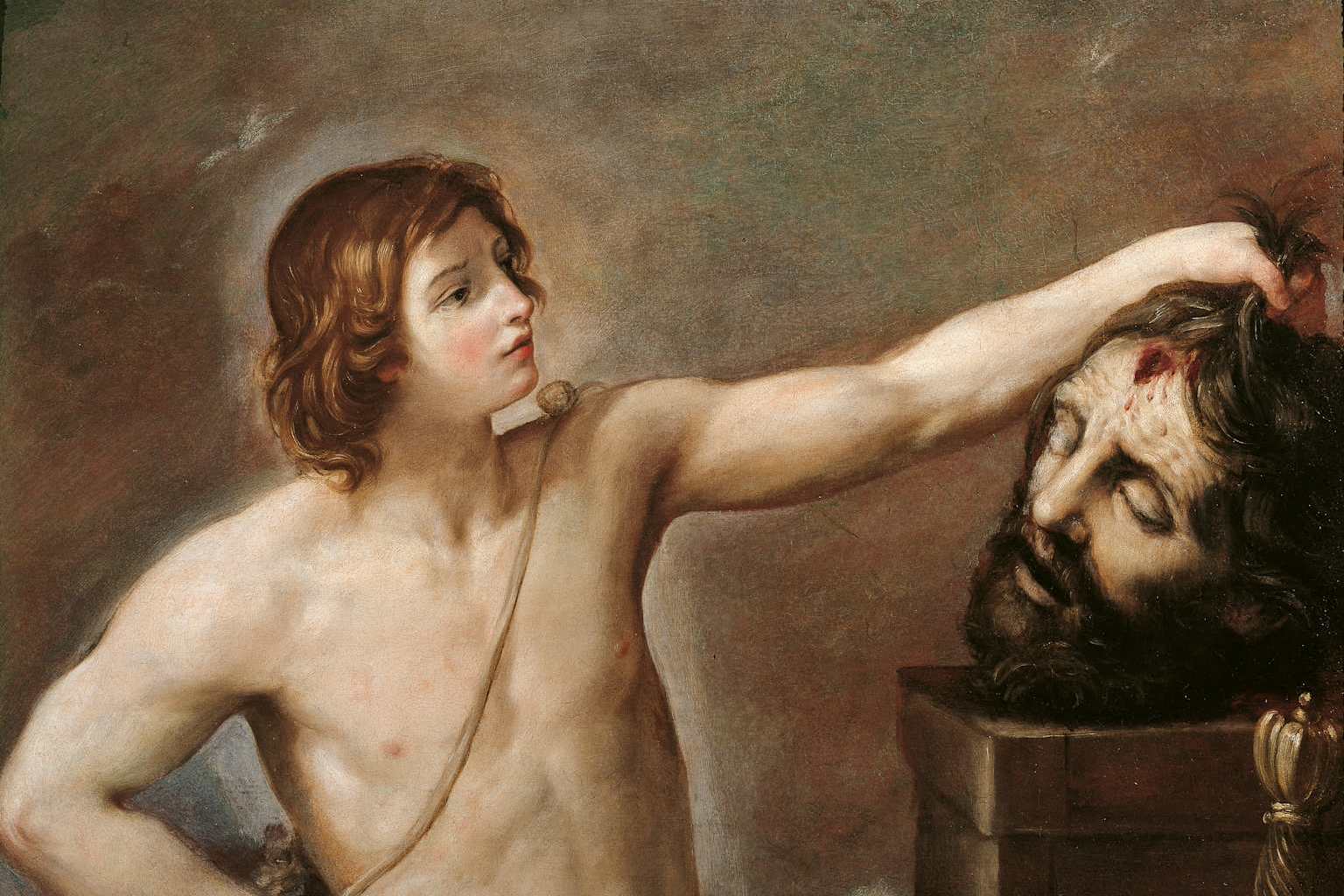
A 17th-century masterpiece by Baroque artist Guido Reni sold for €12.39 million at Artcurial in Paris on November 25, obliterating the artist’s previous auction record and far exceeding its modest pre-sale estimate. The painting, “David with the Head of Goliath,” had been expected to fetch between €2 million and €4 million.theartnewspaper
The work was purchased by a private European collector, according to Artcurial. The sale marks a dramatic moment for Reni, whose previous auction record of £1.8 million was set in 2008 at Sotheby’s London for “The Martyrdom of Saint Apollonia”. That same work later sold for just $819,000 at Christie’s New York in 2022.nytimes
The painting resurfaced earlier this year hanging in a castle in western France, where it had remained in the same family for more than two centuries. According to Cabinet Turquin, the French appraisal firm that brought the work to auction, the painting traces its provenance to Francesco I d’Este, Duke of Modena, who acquired it directly from Reni in Bologna in January 1633 for 275 ducats. It later entered the collection of Prince Eugene of Savoy and was displayed at Vienna’s Belvedere Palace before being transferred to Turin’s Royal Palace in 1741. The work is believed to have been taken to France by General Pierre-Antoine Dupont de l’Étang during the French occupation of Piedmont in the early 19th century.theartnewspaper
The record sale has reignited scholarly debate over which of six known versions of the painting is most significant. Corentin Dury, curator of Old Masters at the Musée des Beaux-Arts d’Orléans, believes the version in his museum’s collection is the earliest autographed work. Until recently, a version held in the Louvre was considered more important, but analysis has led to a reassessment.theartnewspaper
Eric Turquin of Cabinet Turquin disputes Dury’s conclusion, asserting that the Louvre and Artcurial versions “were probably created together”. The painting belongs to the “Créquy” typology, named after Charles III de Créquy, ambassador to Rome for Louis XIV, in which Goliath’s head is turned outward—identical to the Louvre’s composition.artcurial
Created around 1605-1606, the painting represents a pivotal moment in Reni’s evolution, combining Caravaggio’s dramatic naturalism with classical harmony. The work has influenced generations of artists, including Artemisia Gentileschi, Valentin de Boulogne, and Elisabetta Sirani.finestresullarte