


Newsletter Subscribe
Enter your email address below and subscribe to our newsletter

Enter your email address below and subscribe to our newsletter
All voices matter
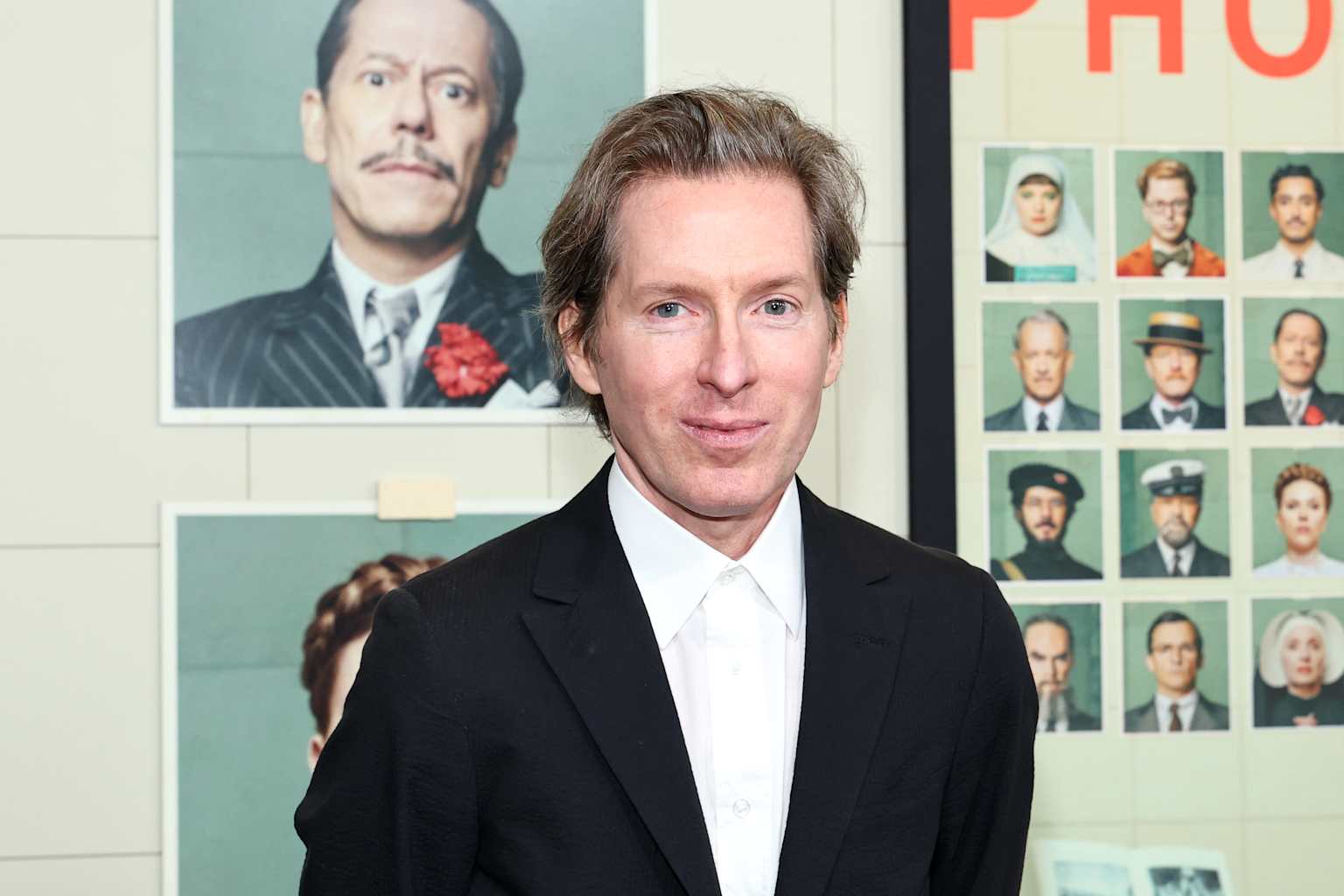
Filmmaker Wes Anderson is collaborating with curator Jasper Sharp to resurrect the New York studio of Joseph Cornell at Gagosian Paris, offering a rare glimpse into the workspace of the reclusive artist who never traveled to Europe but whose imagination wandered its streets constantly.artsy
The exhibition, titled “The House on Utopia Parkway: Joseph Cornell’s Studio Reimagined by Wes Anderson,” opens December 16 and marks the first solo presentation of Cornell’s work in Paris in more than 40 years. The storefront space at 9 rue de Castiglione will be transformed into a life-size shadow box visible from the street, recreating the basement studio where Cornell worked from his family home in Queens, New York.artsy
“It’s essentially a window display,” Sharp told The Art Newspaper. The installation will function as a walk-in tableau, meticulously staged to evoke the spirit and atmosphere of Cornell’s original workspace, where shelves lined with whitewashed shoeboxes contained his “spare parts department” of found objects.theartnewspaper
Anderson and Sharp spent weeks studying archival photographs and first-hand accounts to reconstruct the studio environment. The exhibition will feature over 300 objects and curiosities from Cornell’s personal collection alongside approximately 12 of his most recognizable shadow boxes. Key works include “Pharmacy” (1943), once owned by Marcel Duchamp and his wife Teeny; “Untitled (Pinturicchio Boy)” (c. 1950) from Cornell’s celebrated Medici series; “A Dressing Room for Gille” (1939), inspired by Jean-Antoine Watteau’s painting in the Louvre; and “Blériot II” (c. 1956), honoring French aviator Louis Blériot.theartnewspaper
Cornell’s work table will be recreated at the center of the gallery, staged to appear in progress, with unfinished boxes on loan from the Joseph Cornell Study Center at the Smithsonian American Art Museum providing insight into his creative process. Anderson’s film collaborators have studied Cornell’s handwriting to label the recreated shoeboxes, and some materials have been artificially aged using techniques Cornell himself employed.artnet
The exhibition is timed to Cornell’s birthday on December 24, his favorite time of year, and runs through March 14, 2026. It coincides with a retrospective of Anderson’s work opening November 21 at London’s Design Museum.artsy