






Newsletter Subscribe
Enter your email address below and subscribe to our newsletter

Enter your email address below and subscribe to our newsletter
All voices matter
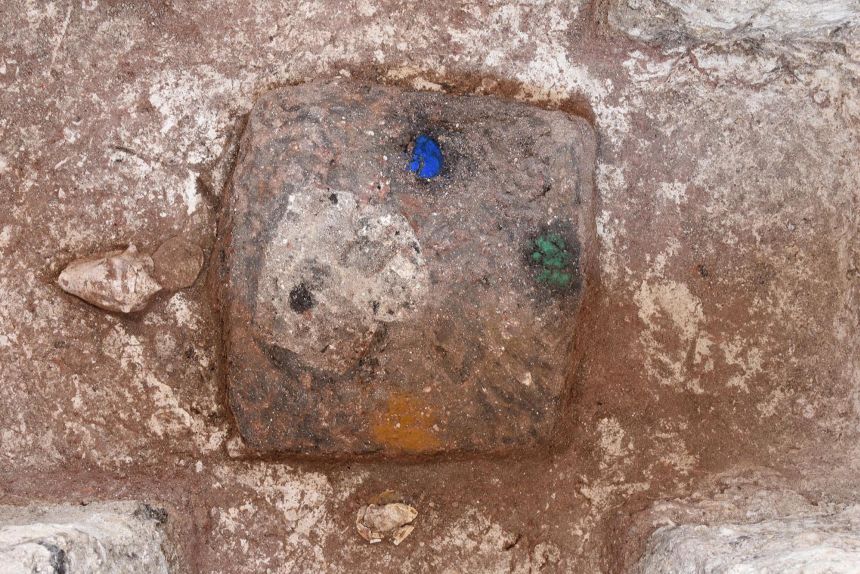
Archaeologists have confirmed that Aguada Fénix in southeastern Mexico stands as both the oldest and largest Maya monument ever discovered, built 3,050 years ago as an elaborate model of the universe. New research published today in Science Advances reveals unprecedented evidence that this massive site functioned as a cosmogram—a monumental map depicting how ancient Maya people understood the cosmos.scientificamerican
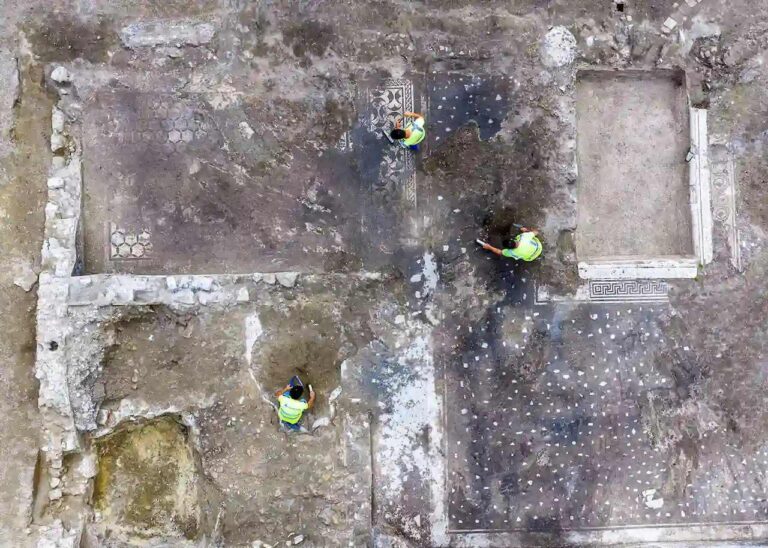
The latest excavations, conducted between 2020 and 2024 by University of Arizona archaeologist Takeshi Inomata and his team, uncovered a cross-shaped ceremonial pit containing jade ornaments, mineral pigments, and ceramic vessels arranged according to cardinal directions. The discovery represents the first time archaeologists have found actual pigments placed in this ritualistic pattern, with blue azurite to the north, green malachite to the east, and yellow ochre to the south.phys
Dating to 1000 BCE, Aguada Fénix measures nearly a mile long and a quarter-mile wide, with heights ranging from 30 to 50 feet. The site predates iconic Mesoamerican cities like Tikal and Teotihuacan by nearly 1,000 years, yet rivals or exceeds their scale. According to Inomata, this challenges long-held beliefs about gradual Maya development.phys
“What we are finding is that there was a ‘big bang’ of construction at the beginning of 1,000 B.C., which really nobody knew about,” Inomata said. “Huge planning and construction really happened at the very beginning.”phys
The cosmogram spans 5.6 by 4.7 miles and consists of interconnected causeways, canals, and corridors forming cross patterns aligned with astronomical observations. The monument’s centerline aligns with sunrise on October 17 and February 24—a 130-day span representing half of the 260-day Mesoamerican ritual calendar.livescience
Unlike later Maya sites ruled by powerful kings, excavations at Aguada Fénix found no evidence of social hierarchy such as royal sculptures, palaces, or elite residences. Researchers estimate that more than 1,000 people participated in construction over several years, but evidence suggests they worked voluntarily rather than under coercion.livescience
“When you have a king or rulers, they are typically represented in sculptures or paintings in Mesoamerica, and you usually find significant structures or palaces where these powerful individuals resided. However, we do not see that at Aguada Fénix,” Inomata explained. The site likely served as a seasonal gathering place where dispersed communities came together for rituals, ceremonies, and feasts.scientificamerican
Construction required an estimated 10.8 million person-days for the main plateau alone, plus an additional 255,000 person-days for canals and dam systems. Despite this massive undertaking, the hydraulic systems appear to have served no practical agricultural purpose, reinforcing their ceremonial significance.cnn