







Newsletter Subscribe
Enter your email address below and subscribe to our newsletter

Enter your email address below and subscribe to our newsletter
All voices matter
Researchers in Spain have uncovered a treasure trove of centuries-old human artifacts in abandoned bearded vulture nests, transforming these structures into unexpected archaeological goldmines. The findings, published October 1 in the journal Ecology, reveal how these threatened birds have served as inadvertent museum curators for nearly 700 years.iflscience
Between 2008 and 2014, scientists from the Institute for Game and Wildlife Research, University of Granada, and University of Cantabria examined 12 ancient bearded vulture nests in southern Spain, where the species vanished 70 to 130 years ago. Among the 2,483 total remains catalogued, researchers identified 226 human-made artifacts including weapons, textiles, and tools dating back to medieval times.popsci
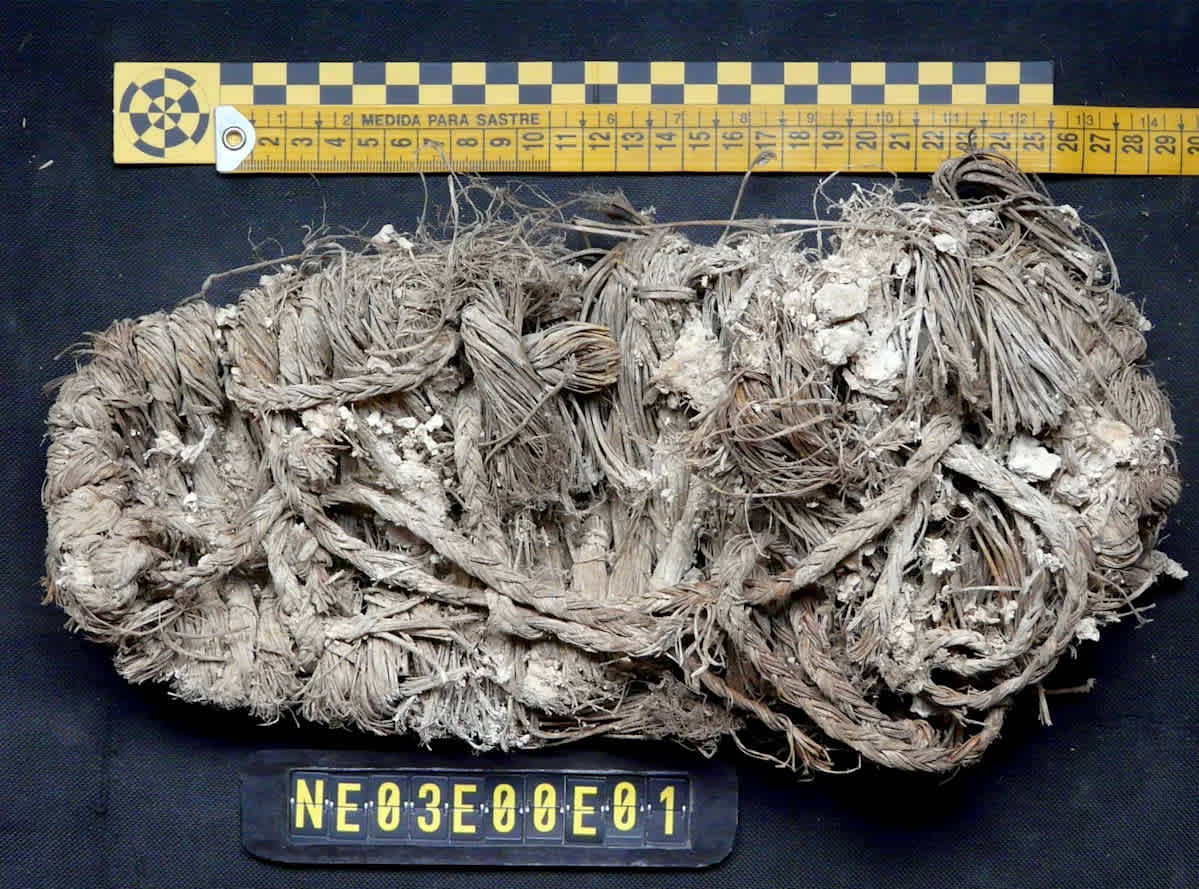
The most extraordinary discovery was a complete sandal woven from esparto grass, carbon-dated to between 652 and 696 years old—placing it in the 14th century. Other remarkable finds included a decorated piece of sheep leather approximately 650 years old, a woven basket estimated at 150 years old, and weapons such as a crossbow bolt and wooden lance.nationalgeographic
“Thanks to the solidity of bearded vulture nest structures and their locations in the western Mediterranean, they have acted as natural museums, conserving historical material in good condition,” the researchers wrote. The cliff caves where these territorial raptors build their nests provide ideal preservation conditions with stable temperatures and low humidity.phys
Beyond their archaeological significance, the nests offer unprecedented insights into historical ecosystems. The 2,117 bone remains, 86 hooves, and 43 eggshells document the dietary habits and environmental conditions spanning centuries. Lead researcher Antoni Margalida from the Pyrenean Institute of Ecology compared the cave conditions to those of a natural history museum.4vultures
The discoveries could prove crucial for conservation efforts. Toxicological analysis of preserved eggshells may reveal when vultures were exposed to pesticides, while bone varieties could indicate dietary changes over time. This information is vital for understanding how bearded vultures—Europe’s most threatened vulture species with only 309 breeding pairs remaining—went extinct in southern Spain and how to prevent further population declines.nationalgeographic