





Newsletter Subscribe
Enter your email address below and subscribe to our newsletter

Enter your email address below and subscribe to our newsletter
All voices matter
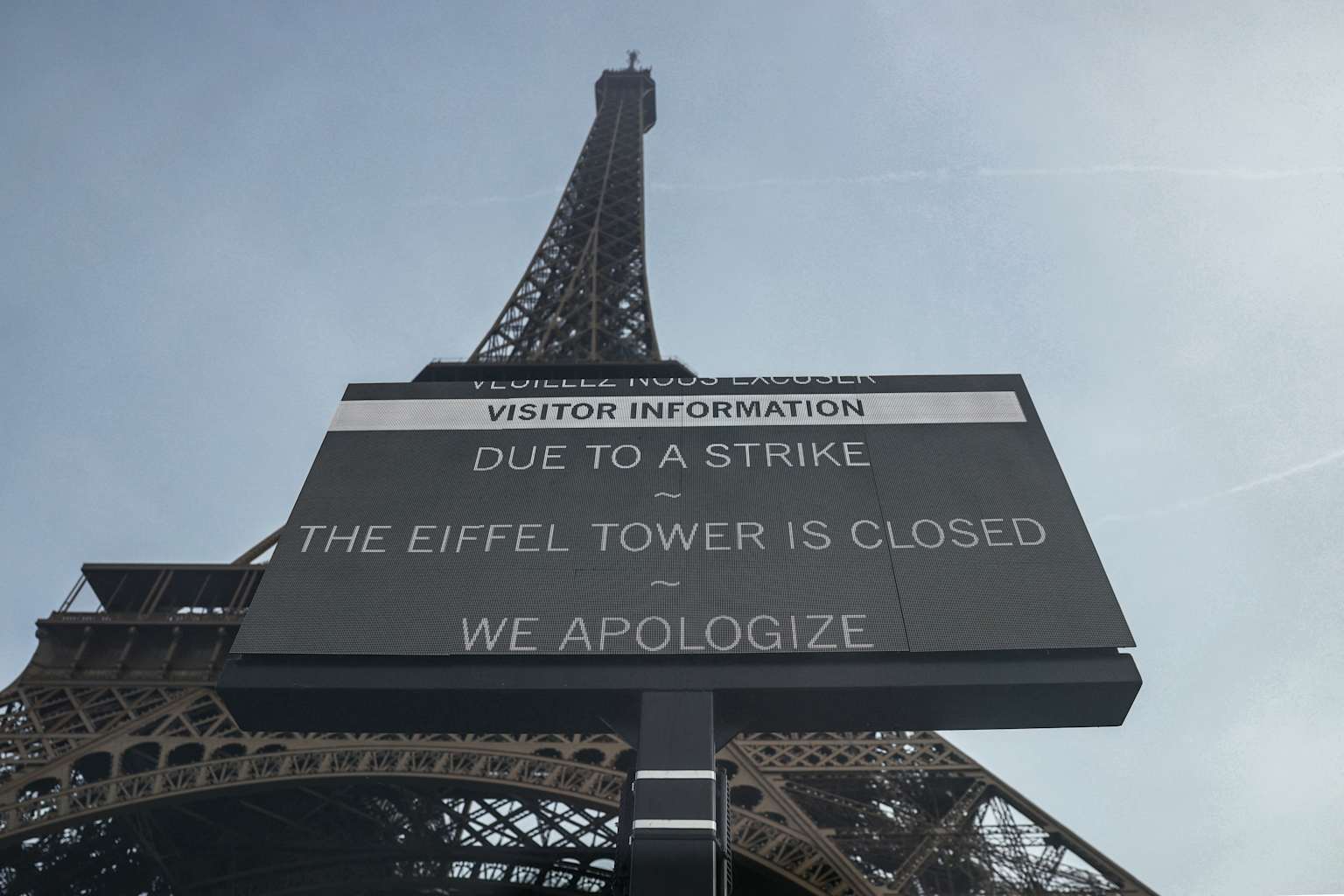
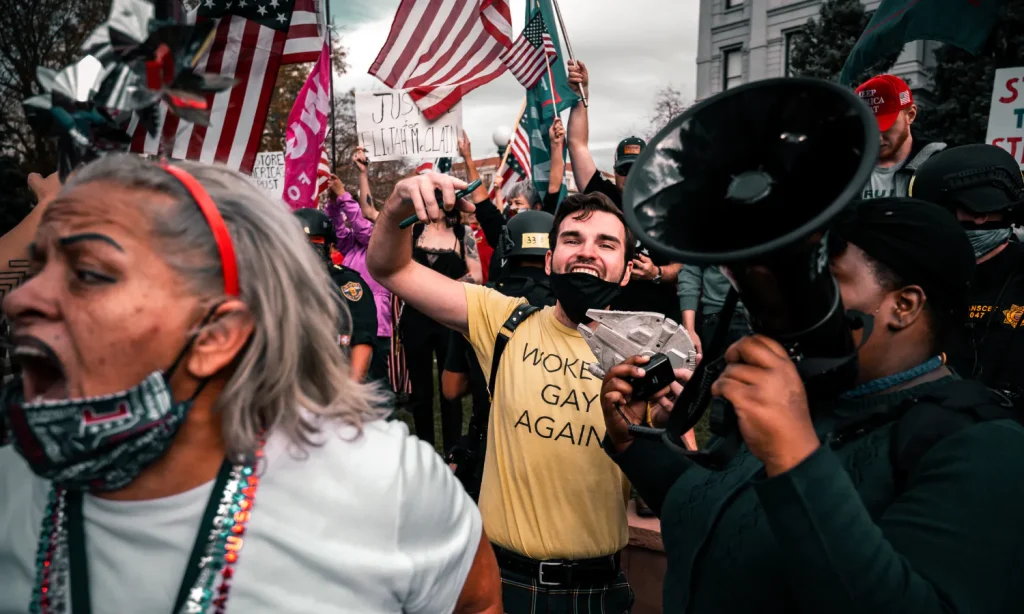
France witnessed a dramatic show of defiance on Thursday as the iconic Eiffel Tower shuttered its doors to visitors while tens of thousands of protesters flooded the streets of Paris and more than 200 cities nationwide. The extraordinary day of strikes and demonstrations on October 2, 2025, represented a direct challenge to Prime Minister Sébastien Lecornu’s government as unions mobilized against proposed austerity measures that threaten to reshape France’s social contract.abcnews
The nationwide strikes, organized by eight major trade unions including the hardline CGT and France’s largest union, the CFDT, drew approximately 85,000 protesters by midday according to the Interior Ministry—though union leaders claimed much higher numbers. The demonstration in Paris followed a new route from Place d’Italie to Place Vauban, with protesters demanding the government abandon its proposed €44 billion budget cuts and instead impose higher taxes on the wealthy.aljazeera
Sophie Binet, secretary general of the CGT union, made the stakes clear in an interview with BFM TV: “First of all, what we want to know is who the government will be… And then we want to know what the budget will be, and if there are any setbacks in the budget, obviously we won’t let it pass”. The protest disrupted key cultural sites, with the Louvre Museum closing certain rooms and the Eiffel Tower announcing its complete closure due to the strike.abcnews
The protests come as Prime Minister Lecornu, appointed just three weeks ago, faces the monumental task of navigating France through its worst budget crisis in years. His predecessor, François Bayrou, was ousted by parliament on September 8 after losing a crushing confidence vote of 364 to 194 over his proposed austerity budget. France’s budget deficit reached 5.8% of GDP in 2024—nearly double the European Union’s 3% ceiling—while public debt soared to 113% of GDP.lemonde
Interior Minister Bruno Retailleau deployed a massive security operation, mobilizing 76,000 police officers nationwide with 5,000 stationed in Paris alone to maintain order during the demonstrations. Despite the heavy police presence, the protests remained largely peaceful, though students blocked several high schools and lit flares outside educational institutions.aa
The strikes represent the latest chapter in France’s mounting social unrest, following similar protests on September 18 that drew between 500,000 to one million demonstrators according to competing estimates from police and unions. As Lecornu races to form his cabinet and present a viable budget by year’s end, the unified opposition from both far-left and far-right parties threatens to plunge France deeper into political instability, leaving Europe’s second-largest economy without a clear path forward.evrimagaci