Newsletter Subscribe
Enter your email address below and subscribe to our newsletter

Enter your email address below and subscribe to our newsletter
All voices matter
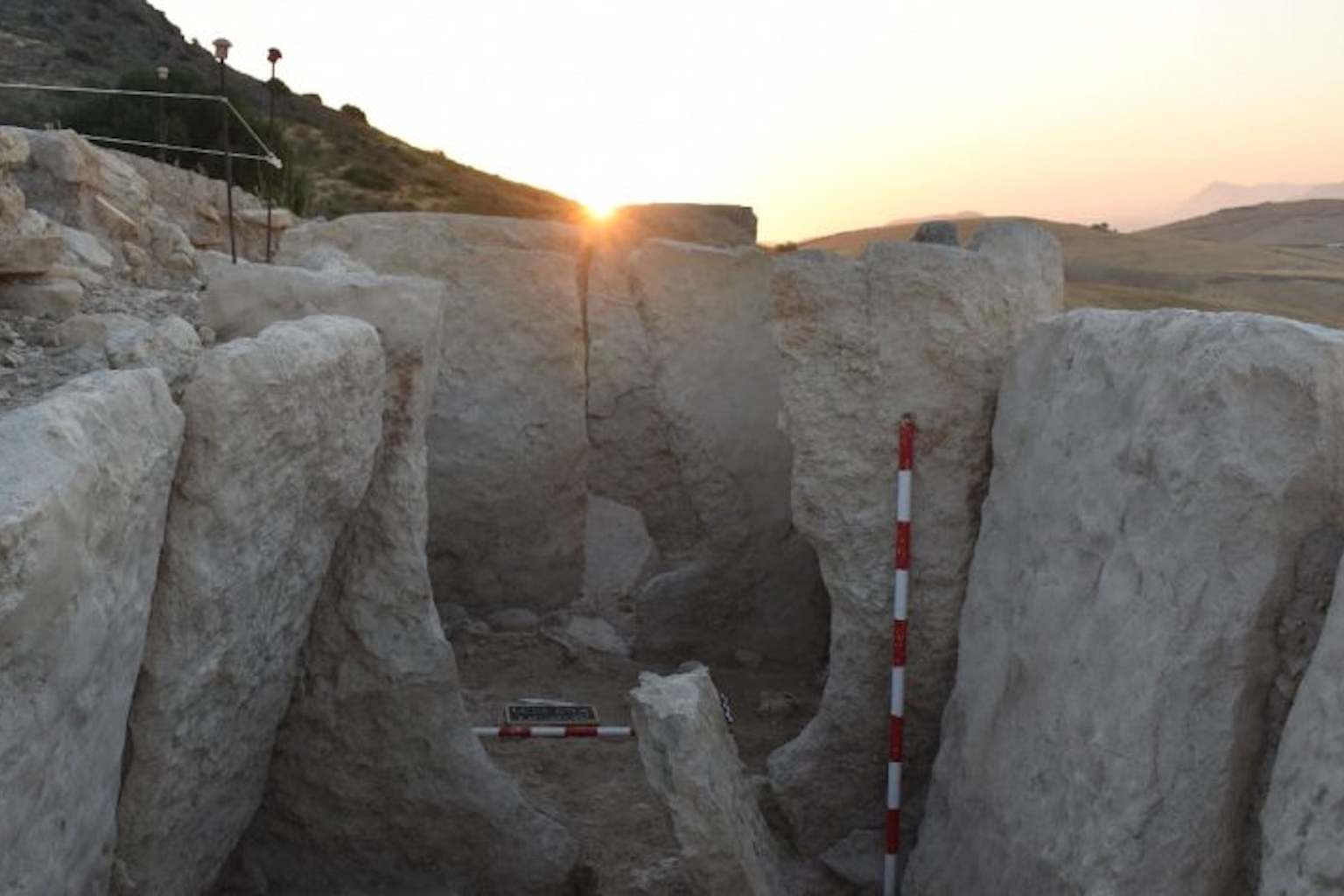
Archaeologists from the University of Cádiz have unveiled one of Andalusia’s most monumentally preserved prehistoric tombs, a 5,000-year-old dolmen stretching 43 feet in length that provides unprecedented insight into ancient burial practices and long-distance trade networks in southern Spain.surinenglish
The stone monument, designated as Dolmen I of the La Lentejuela necropolis in Teba, Málaga province, was announced by researchers this week after four excavation seasons. The discovery represents what experts are calling one of the most significant megalithic finds in the region, offering a rare glimpse into the sophisticated funerary rituals of third millennium BC communities.greekreporter
The dolmen’s extraordinary state of preservation has allowed archaeologists to document multiple ossuaries containing prestigious grave goods crafted from exotic materials rarely found in inland Spain. Among the recovered artifacts are ivory pieces, amber, marine shells, intricately worked flint arrowheads, large-format blades, and an exceptional ceremonial halberd.greekreporter
“We could be talking about one of the most monumental and complete dolmens in all of Andalucía,” said Dr. Serafín Becerra, director of the Teba Museum and co-leader of the excavation. His colleague Dr. Eduardo Vijande emphasized the structure’s research value, noting that “the extraordinary condition of this structure will allow us to learn in great detail about the lives and beliefs of these communities”.arkeonews
The presence of marine shells in this inland location has provided compelling evidence of extensive prehistoric trade routes. Professor Juan Jesús Cantillo of the University of Cádiz explained that “the presence of marine shells in an inland territory reflects the importance of the sea as a prestige element and confirms long-distance exchange networks”.surinenglish
The discovery suggests that Late Prehistoric communities in the Iberian interior participated in sophisticated exchange systems that connected coastal and inland areas, circulating not only goods but also ideas and cultural values across vast distances. The inclusion of non-native materials like ivory and amber further reinforces the existence of these far-reaching commercial relationships.arkeonews
The excavation was conducted under the research project “Monumentality, Time and Society: The Megalithic Phenomenon in the La Lentejuela Necropolis,” authorized by the Andalusian Ministry of Culture and Historical Heritage and funded by the Municipality of Teba. The project also served as a training ground for University of Cádiz students, who gained hands-on archaeological experience alongside faculty and doctoral researchers.greekreporter