







Newsletter Subscribe
Enter your email address below and subscribe to our newsletter

Enter your email address below and subscribe to our newsletter
All voices matter
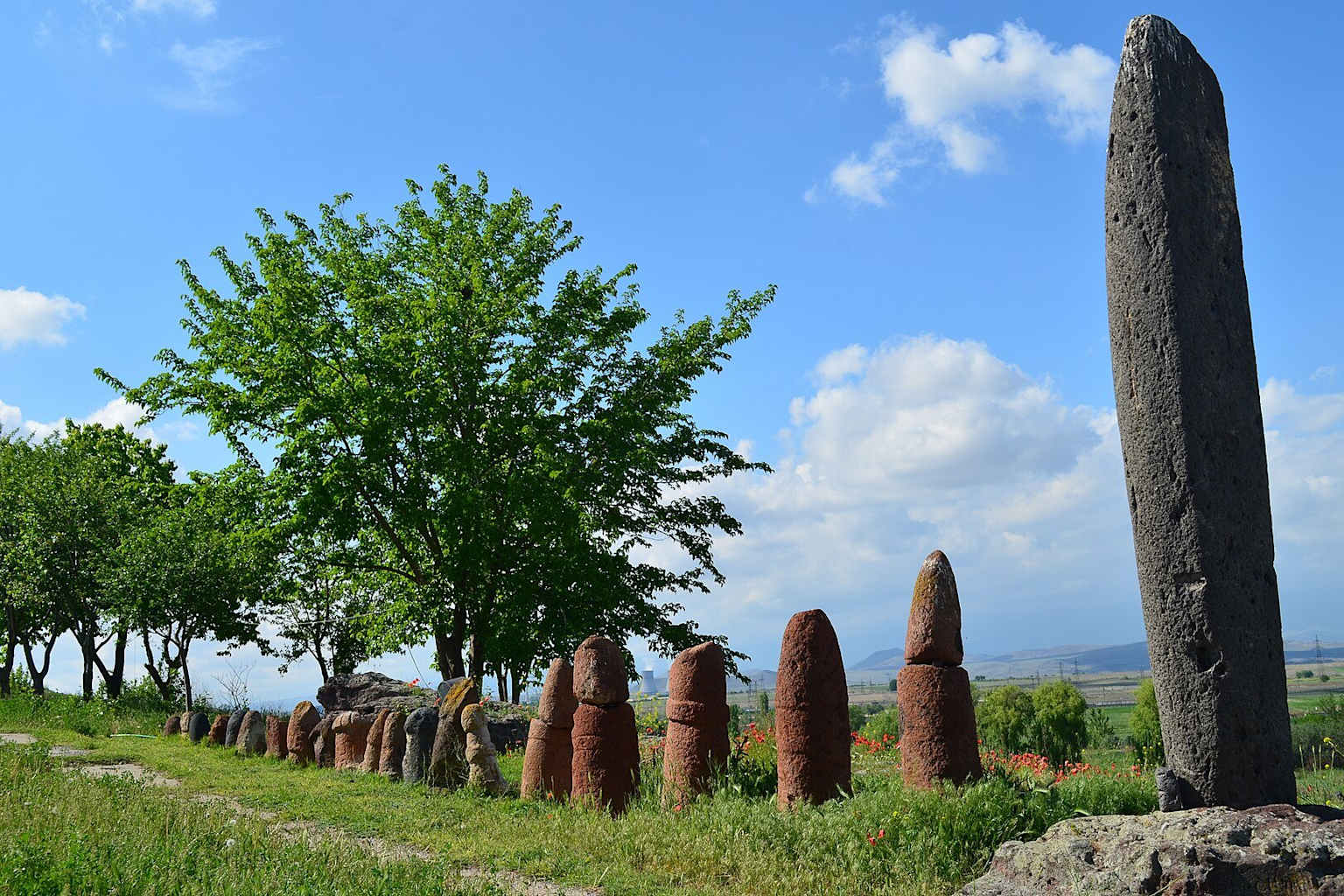
An international research team has finally cracked the 6,000-year mystery surrounding Armenia’s enigmatic “dragon stones,” revealing that these monumental sculptures were the centerpiece of an ancient water cult that demanded extraordinary communal effort to construct.
The breakthrough study, published in npj Heritage Science and led by Vahe Gurzadyan of Yerevan State University and Arsen Bobokhyan of the Institute of Archaeology and Ethnography, represents the first comprehensive statistical analysis of these prehistoric monuments. Through radiocarbon dating of 46 organic samples from the Tirinkatar site on Mount Aragats, researchers determined that at least two vishaps—the Armenian term for these dragon-like stone pillars—were erected between 4200 and 4000 BC during the Chalcolithic period.archaeology
The study of 115 known vishaps across Armenia and adjacent regions revealed a deliberate pattern that had eluded archaeologists for over a century. These basalt monuments, ranging from three to 18 feet in height and weighing several tons, were strategically positioned near springs, streams, and ancient irrigation systems at two distinct elevation clusters—approximately 6,200 and 8,800 feet above sea level.archaeology
According to Zartonk Media, which first reported the findings, the positioning suggests these monuments served as focal points for rituals celebrating water as a life-sustaining force. The fish-shaped carvings that dominate many of the stones, combined with their proximity to snowmelt sources that fed agricultural communities in the valleys below, reinforced the water cult theory that scholars had long suspected.mirrorspectator
“The study of vishap stelae in Armenia, based on their dimensions and altitudinal distribution, provides compelling evidence for their deliberate placement and labor-intensive construction,” the researchers wrote. They noted that the presence of larger monuments at higher elevations suggests “significant cultural motivations, likely tied to the ancient water cult.”gbnews
The research revealed the immense effort prehistoric communities invested in creating these monuments. Some of the heaviest stones, including a 4.3-ton monument called “Karakap 3,” were discovered at elevations exceeding 9,000 feet. The labor required to quarry, carve, polish, and transport these massive stones up treacherous mountain slopes would have required substantial community coordination and resources.popularmechanics
“This suggests the builders intentionally dedicated their limited periods of activity in the higher areas to the construction and transport of large monuments that required much manpower despite the added logistical difficulties, such as providing food and fuel for the workers,” the study authors noted.gbnews
The Tirinkatar site represents the world’s largest concentration of vishaps, with twelve monuments clustered in a single location. This 370-hectare archaeological complex, situated at altitudes between 8,800 and 10,200 feet on Mount Aragats, continues to serve as a pilgrimage site where Christian Armenians and Yazidis perform rituals.unesco
The monuments’ enduring cultural significance is evidenced by their reuse throughout history. Some vishaps bear Urartian inscriptions from the 9th to 6th centuries BC, while others display medieval Armenian script carvings. Scholars suggest these ancient stones may have influenced the later tradition of khachkars, the ornate cross-stones that became central to Armenian Christian identity.x
The research provides crucial insights into how prehistoric highland communities organized their spiritual and economic lives around water resources, offering a window into one of the world’s earliest examples of monumental religious art and coordinated cult practices.