






Newsletter Subscribe
Enter your email address below and subscribe to our newsletter

Enter your email address below and subscribe to our newsletter
All voices matter
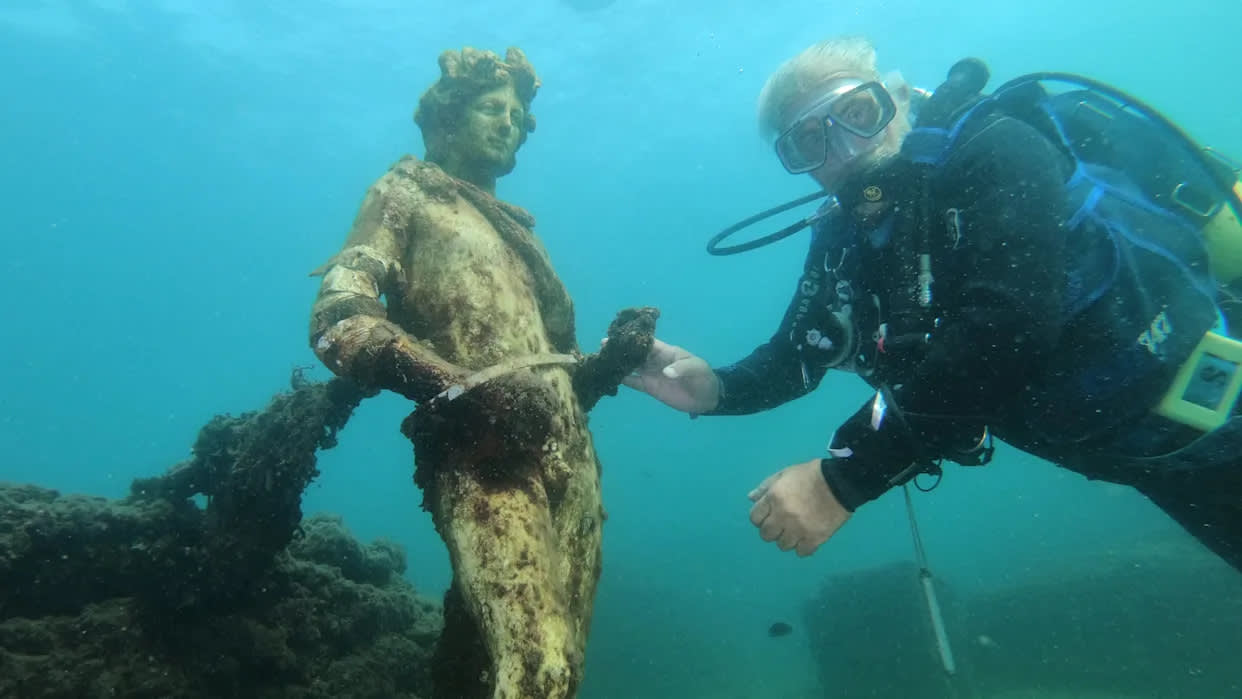
Marine archaeologists working in the submerged ruins of Baiae have uncovered a remarkably preserved Roman bathhouse that may provide the first physical evidence of Cicero’s private villa. The thermal complex, discovered just 10 feet below the surface in the Gulf of Naples, features intact mosaic floors and advanced heating systems from the height of the Roman Empire.ancienteranandaneran
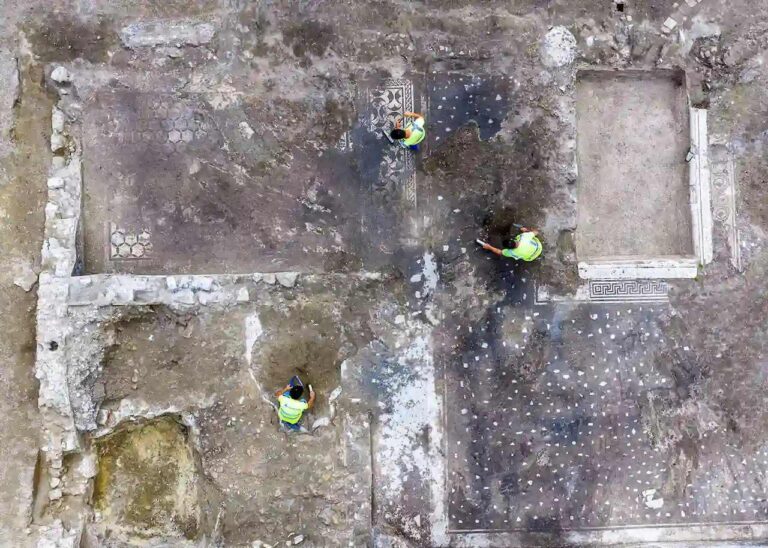
The bathhouse, known as a laconicum or Roman sauna, was first identified in 2023 but has only recently been fully documented, according to reports from the Ministry of Culture’s Campi Flegrei Archaeological Park. The structure retains its original suspensurae heating system, which circulated hot air through pillars beneath the floor and hollow tiles in the walls.thedailybeast
Historical records describe a villa in Baiae belonging to Marcus Tullius Cicero, the legendary Roman orator and statesman. According to The Daily Beast, if speculation proves correct, this discovery would mark “the first physical evidence of his villa”. Ceramic materials recovered during the excavation are currently being analyzed to determine construction dates and confirm the potential connection to Cicero.thedailybeast
The site lies within Zone B of the Baia Underwater Park, part of the ancient coastal resort that attracted Rome’s elite, including Julius Caesar, Augustus, and Nero. Baiae was known for its hedonistic luxury and thermal springs believed to have healing properties.greekreporter
The underwater environment has preserved features rarely found on land. The bathhouse displays sophisticated Roman engineering, with its mosaic floor still supported by the original pilae of the heating system. Traces of ancient wall paintings remain visible on the structure’s walls.heritagedaily
Restoration work is scheduled to begin this fall, focusing on cleaning the mosaic floor, which is partially covered by mineral deposits, and conserving surviving wall decorations. The project aims to provide insights into Roman construction techniques and the events that led to the bath’s abandonment.greekreporter
Baiae was eventually submerged due to volcanic activity in the Phlegraean Fields. Much of the ancient resort now forms one of the world’s most distinctive underwater archaeological parks, accessible to divers and visitors on glass-bottom boats.greekreporter