






Newsletter Subscribe
Enter your email address below and subscribe to our newsletter

Enter your email address below and subscribe to our newsletter
All voices matter
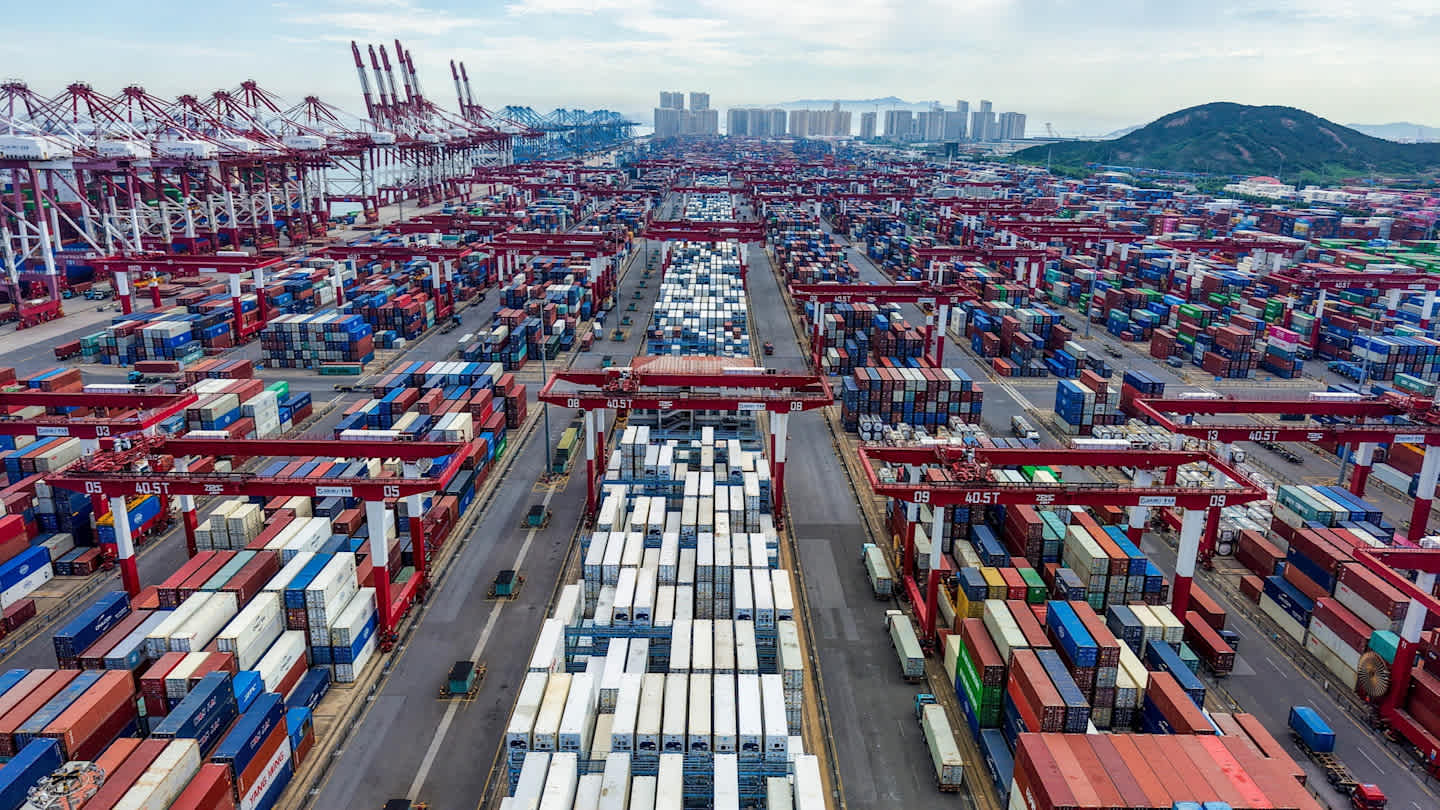
China set its 2026 economic growth target at 4.5% to 5% in March, the lowest benchmark since 1991, as fresh data reveals the country’s domestic economy continues to deteriorate despite a strong export boom.www
Retail sales fell 0.6% year-on-year in May, marking the first annual decline since December 2022, according to data from China’s National Bureau of Statistics released on June 16. The drop defied expectations and followed a meager 0.2% gain in April, underscoring the persistent weakness in consumer spending.indexbox
Urban fixed asset investment contracted 4.1% year-on-year through the end of May, worse than the anticipated 2% decline, while real estate funding plummeted 16.2% in the January-to-May period. The national unemployment rate edged down slightly to 5.1% from 5.2% in April.cnbc
A Jefferies “Greed & Fear” market strategy report published this week highlighted “a continuing lack of any evidence of a pickup in domestic demand”. Exports of goods rose 19.4% year-on-year in dollar terms to $377 billion in May, while exports of electronic integrated circuits surged 111% to a record $35.5 billion, driven by demand in renewable energy and artificial intelligence sectors.indiatimes
Yet Jefferies concluded that the broader picture remains one of an economy relying heavily on exports and manufacturing strength while domestic consumption, property investment, and credit demand continue to lag.economictimes
Premier Li Qiang announced the lower growth target during the opening session of the National People’s Congress on March 5, describing “a grave and complex landscape”. The range represents a shift from the 5% pace achieved in 2025 and signals Beijing’s focus on stability and structural reform over broad-based demand stimulus.db
The OECD projects growth will slow further to 4.3% in 2027. Deutsche Bank noted in a March analysis that Beijing’s overarching message is “a pivot towards stability, risk management, and strategic, supply-side driven growth, rather than broad-based demand stimulus”.oecd
With consumer confidence weak, property in prolonged decline, and credit growth stalling, China’s economy faces a growing divergence between its export engine and a domestic sector that shows few signs of turning around.