





Newsletter Subscribe
Enter your email address below and subscribe to our newsletter

Enter your email address below and subscribe to our newsletter
All voices matter
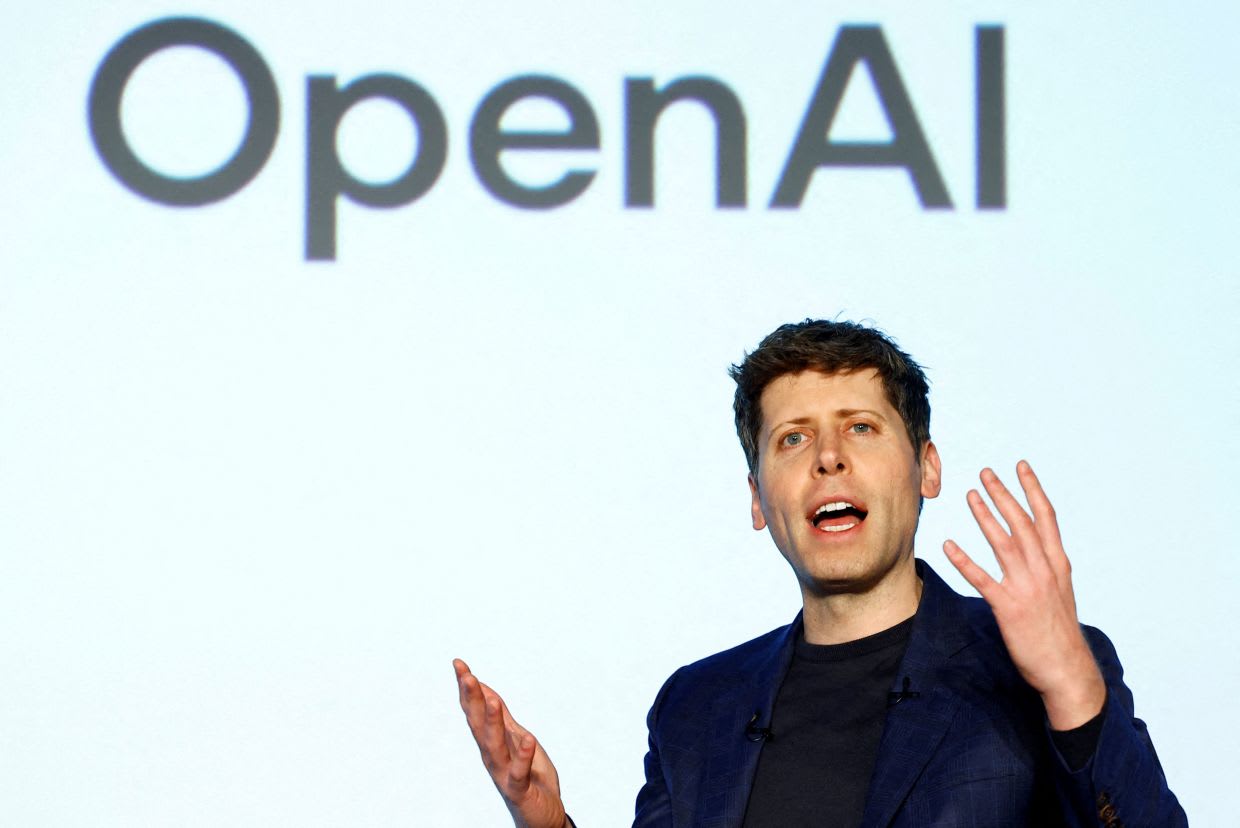
OpenAI CEO Sam Altman told a Sydney audience on Tuesday that he had been wrong about how quickly artificial intelligence would displace white-collar workers, offering a rare admission from one of the industry’s most prominent figures that the technology’s labor market impact has been less dramatic than expected.
Speaking via video link with Commonwealth Bank of Australia Chief Executive Matt Comyn at the bank’s Accelerate AI event, Altman said the human element of work has proven more durable than he anticipated. “I’m delighted to be wrong about this, I thought there would have been more impact on entry-level white-collar jobs being eliminated by now,” Altman said. He added that demand for human interaction in many professions would not easily be supplanted. “I don’t think we’re going to have the kind of jobs apocalypse that some of the companies in our space advocate or talk about,” he said.reuters
Altman acknowledged that while AI technology has reached what he called “a notable place,” enterprise adoption remains “still very early”.commbank
Days earlier, Goldman Sachs CEO David Solomon made a similar case in a guest essay for The New York Times published May 22. In the piece, titled to declare the AI job apocalypse “overblown,” Solomon argued that the technology would free workers to focus on more complex tasks rather than render them obsolete.forbes
Solomon did not dismiss the disruption entirely. Goldman’s own economic research suggests AI could automate up to 25% of current working hours within the next decade. But he framed the shift as evolutionary, contending that AI would improve job quality and generate new roles for people overseeing the systems deployed within their organizations.indiatimes
Independent research lends weight to the more restrained outlook. A January report from Oxford Economics found that AI-related job cuts accounted for just 4.5% of total U.S. layoffs in the first 11 months of 2025 — roughly 55,000 positions — while losses attributed to standard market and economic conditions reached 245,000. The firm concluded that “firms don’t appear to be replacing workers with AI on a significant scale” and suggested some companies may be using the technology as cover for routine headcount reductions.youtube
Oxford Economics applied a straightforward test: if machines were truly replacing humans at scale, productivity growth should be accelerating. “Generally, it isn’t,” the report stated, noting that AI use remains “experimental in nature” and that labor market changes are likely to be “evolutionary rather than revolutionary”.fortune