Newsletter Subscribe
Enter your email address below and subscribe to our newsletter
Enter your email address below and subscribe to our newsletter

All voices matter
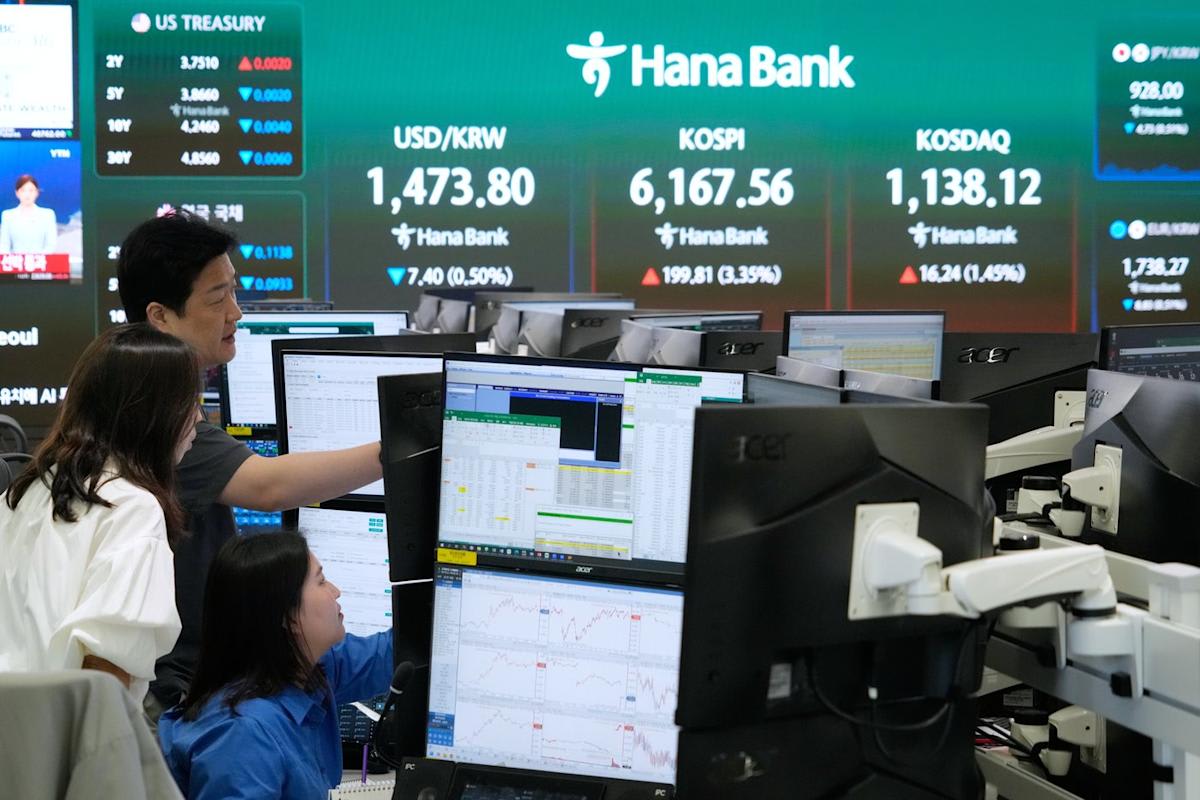
Asia-Pacific stock markets opened to a divided session on Monday, June 22, as Iran’s renewed closure of the Strait of Hormuz and uncertainty over U.S.-Iran peace talks pushed oil prices higher and weighed on risk sentiment across much of the region.
Iran’s Islamic Revolutionary Guard Corps warned commercial vessels away from the strait over the weekend, citing violations of the recently signed memorandum of understanding between Tehran and Washington — specifically Israel’s continued military operations in southern Lebanon. The closure came just days after the waterway had been reopened under the terms of the deal. Brent crude rose on Monday, with NDTV Profit reporting prices near $82 a barrel, as supply concerns resurfaced. The U.S. military has disputed Iran’s claim to have effectively shut down the passage, with U.S. Central Command stating that 55 commercial vessels transited the strait on Saturday.cbsnews
U.S. Vice President JD Vance led an American delegation to the Bürgenstock resort in Switzerland for face-to-face discussions with Iranian negotiators on Sunday, the first direct meeting under a memorandum of understanding signed earlier in June. The agreement grants both sides 60 days to negotiate a comprehensive deal covering Iran’s nuclear program, sanctions relief, and the reopening of the strait. But the talks were complicated by President Trump’s threats to “hit Iran very hard again” and his suggestion that the U.S. could impose its own toll system on the waterway. Iranian negotiators insisted on an end to fighting in Lebanon as a precondition for further progress, according to state media.nypost
Japan’s Nikkei 225 climbed 1.8% and South Korea’s Kospi gained 1.6% after Iranian diplomats indicated progress had been made in the Swiss discussions. But Hong Kong’s Hang Seng futures pointed to a drop of nearly 2%, while Australia’s S&P/ASX 200 edged lower. Higher bond yields and oil prices weighed on broader sentiment, with markets pricing in an elevated probability of sustained high U.S. interest rates amid persistent inflationary pressures from energy costs. The 2-year Treasury yield had already climbed to 4.20% as of June 17, its highest reading in weeks.reuters