









Newsletter Subscribe
Enter your email address below and subscribe to our newsletter
Enter your email address below and subscribe to our newsletter

All voices matter

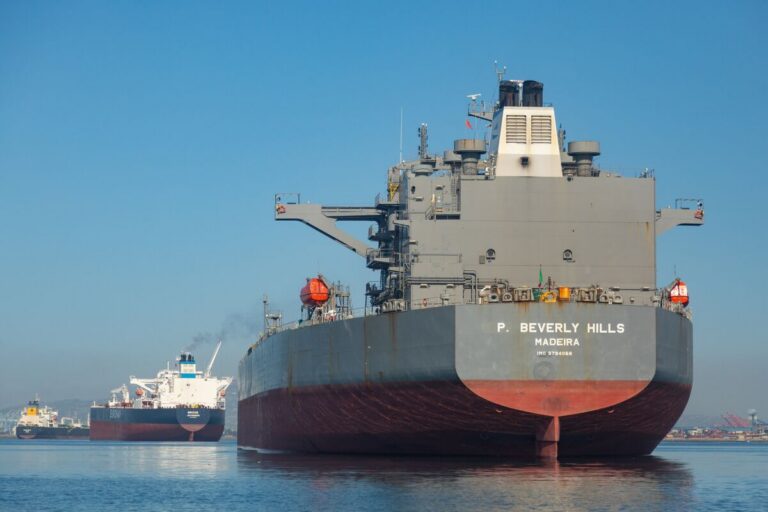
Precious Shipping Managing Director Khalid Hashim said the Bangkok-based dry bulk company remains wary of navigating the Strait of Hormuz despite a US-Iran ceasefire agreement signed on June 17, citing mixed signals from both sides and lingering security concerns after one of its vessels was struck by Iranian projectiles in March.reuters
The comments, made during an interview with Bloomberg on June 21, came as shipping traffic through the strait shows early signs of recovery but remains far below pre-conflict levels.bloomberg
Precious Shipping’s caution is rooted in direct experience. On March 11, the company’s Thai-flagged bulk carrier Mayuree Naree was hit by two projectiles while transiting the strait, damaging the engine room and starting a fire. Twenty crew members were evacuated to Oman, while three remained missing and believed trapped in the engine room. The company said it was unable to access the drifting vessel for days after the attack.tradewindsnews
The incident was part of a broader pattern of Iranian strikes on commercial shipping that day, with at least three cargo ships damaged in suspected Iranian attacks, according to the U.S. Naval Institute.usni
The US-Iran memorandum of understanding, formally released on June 17, commits Iran to toll-free passage for commercial vessels for 60 days and a full restoration of traffic within 30 days. Since then, tanker traffic has increased — CNBC reported at least 20 tankers transited the strait on June 19, the highest level since early June — but this remains a fraction of the 100-plus daily crossings seen before the conflict.youtube
However, the recovery has been complicated by Iran’s brief closure of the strait on June 20, citing ceasefire violations related to Israeli strikes in southern Lebanon. Approximately 80 mines remain in the central shipping channel and must be cleared before normal operations can resume, according to tanker owners’ trade body Intertanko.nbcnews
Precious Shipping is not alone in its caution. BIMCO, the shipping industry association, still considers transit highly risky. CMA CGM Chairman Rodolphe Saade told French lawmakers earlier this month that it would be “unwise” to assume the strait will return to its pre-war state. Reuters reported that analysts see a full return to pre-conflict volumes as “realistically a 2027 story.”straitstimes
David Jorbenaze, global oil market leader at ICIS, said meaningful traffic resumption would require “weeks of de-mining and normalization of insurance rates.”reuters