Newsletter Subscribe
Enter your email address below and subscribe to our newsletter
Enter your email address below and subscribe to our newsletter

All voices matter
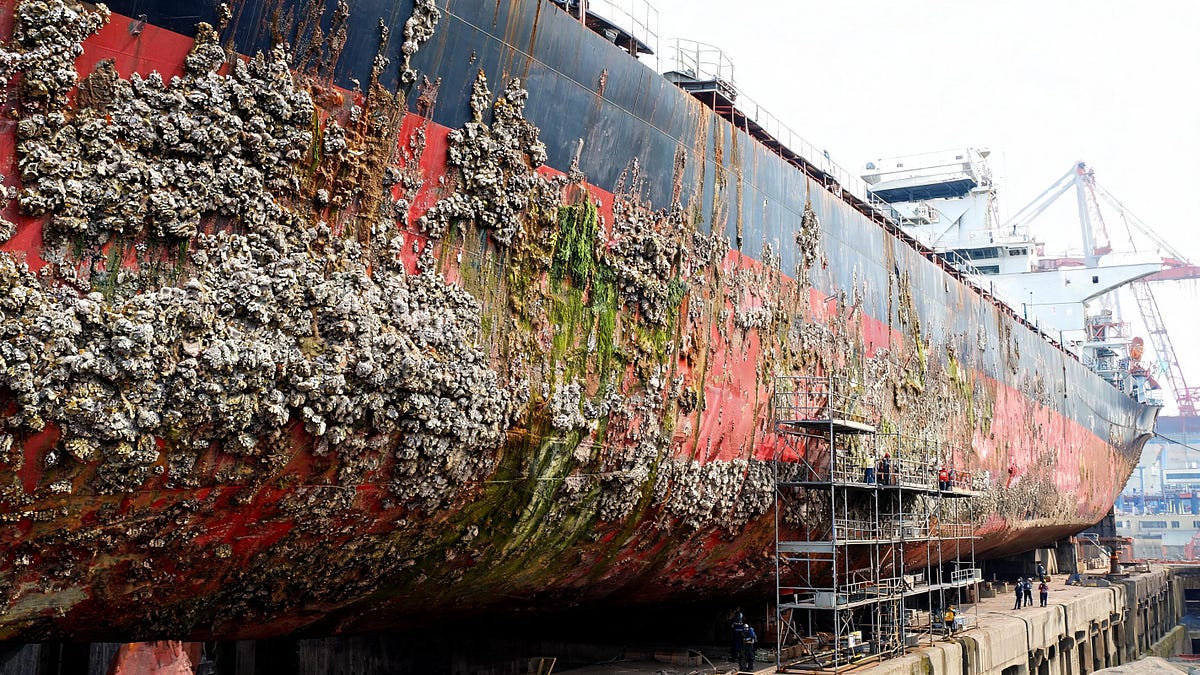
Even as the United States and Iran move to reopen the Strait of Hormuz following their preliminary ceasefire agreement on June 15, an unlikely obstacle is slowing the return to normal oil flows: barnacles.reuters
About 600 vessels remain trapped in the Persian Gulf, anchored in warm, shallow waters since the Iran war erupted in late February, according to Bloomberg. After nearly four months at anchor, their hulls have become encrusted with barnacles, algae, mussels, and other marine organisms in a process known as biofouling — and the problem is now compounding the already daunting logistics of resuming global oil shipments.gcaptain
Demand for specialized hull-scraping diving crews has surged more than 30-fold since Trump announced the interim peace deal, according to Captain Manandeep Singh Kukreja, chief surveyor at Dubai-based Prominence Shipping Services LLC. Fees for underwater cleaning of a single vessel have jumped as much as 60%, from around $5,000 to $8,000, and are expected to climb further as hundreds of ships compete for limited diving teams.gcaptain
“The next 30 days, it’s going to be for a diving company like they’ve struck gold,” Kukreja told Bloomberg. “Everyone wants to get out of Hormuz finally.”gcaptain
The cleaning is not optional. Most ports forbid barnacle-studded vessels from entry because of the risk of introducing invasive species, and biofouled hulls dramatically increase fuel consumption on long voyages to Asia and beyond.windward
Barnacles are only one piece of a larger puzzle. Around 80 mines still need to be cleared from the main shipping channel, making a full return to normal traffic unlikely anytime soon, according to the tanker owners’ trade body Intertanko. Insurance approvals, conflicting navigation instructions, and the sheer volume of the backlog add further delays. Lloyd’s List editor-in-chief Richard Meade told the Guardian that shipping through the strait may not return to normal this year.anews
Traffic has begun to trickle through — Reuters reported two crude tankers carrying nearly 2 million barrels transited the strait on Monday — but volumes remain far below the pre-conflict daily average of about 125 vessels. As Raghu Sharma, a master mariner who has worked on tankers in the Gulf, noted, the severity of fouling varies widely: some vessels may have accumulated only slime, while others are thoroughly encrusted and require far more intensive cleaning.cnbc