







Newsletter Subscribe
Enter your email address below and subscribe to our newsletter

Enter your email address below and subscribe to our newsletter
All voices matter
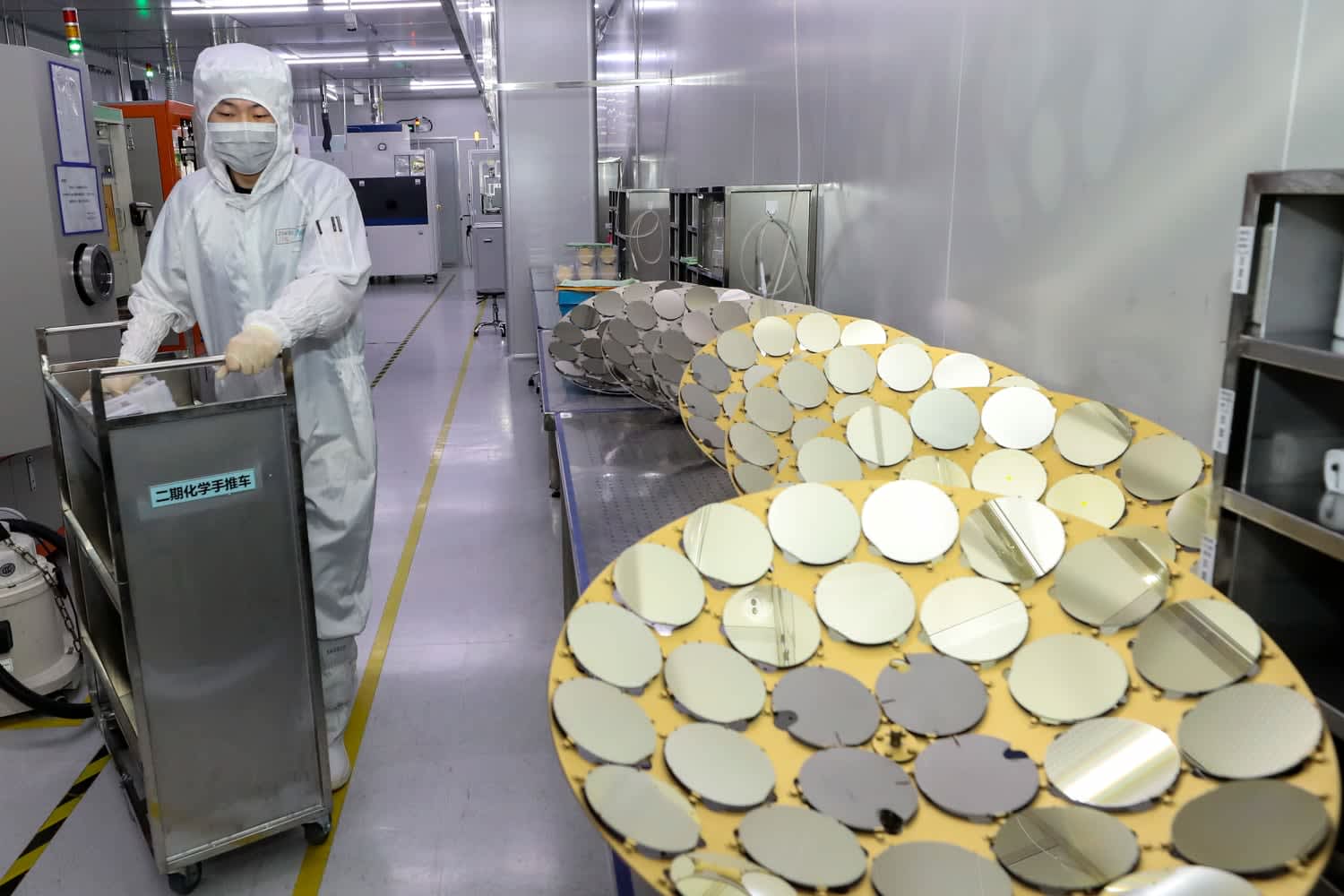
China’s Ministry of Commerce hit back at the United States on Thursday, accusing Washington of abusing export controls and destabilizing the global semiconductor supply chain after the U.S. Commerce Department moved to close a loophole that had allowed advanced AI chips to reach Chinese firms operating abroad.
Ministry spokesperson He Yongqian said the U.S. has “repeatedly used national security as a pretext to impose export controls, seriously harming the legitimate rights of Chinese companies, disrupting international trade, and destabilizing the global semiconductor supply chain.” China urged the U.S. to correct its practices and halt what it called discriminatory measures against Chinese enterprises.cgtn
The comments came in response to guidance issued by the U.S. Commerce Department on Sunday, May 31, clarifying that licensing requirements apply to advanced chip exports destined for any entity with a parent company headquartered in China — even if the subsidiary is located outside of the country. The move was aimed at closing a gap that had persisted for roughly a year, during which advanced processors from Nvidia and AMD, including Nvidia’s Blackwell chips and AMD’s MI350x, may have been shipped to Chinese subsidiaries in countries such as Malaysia.thehill
According to Reuters, the loophole emerged in May 2025 when the Trump administration declared it would not enforce the Biden-era AI Diffusion rule, which had regulated global access to AI chips. That non-enforcement created ambiguity about whether earlier licensing requirements — including those covering firms linked to parent companies in restricted countries — remained in effect. A chip industry source told Reuters the number of advanced chips exported during the period the loophole was open may have numbered in the hundreds of thousands.reuters
The Commerce Department’s Bureau of Industry and Security confirmed in its weekend guidance that the 2023 licensing mandate still applies, regardless of where a Chinese-owned entity is physically located.thehill
The exchange marks the latest escalation in a technology competition between the two countries that has intensified since Washington first imposed sweeping semiconductor export controls in October 2022. China’s response on Thursday also addressed a recent OECD report on industrial subsidies, which He called “flawed” with “biased sample selection and one-sided conclusions,” arguing that Chinese companies’ global competitiveness stems from economies of scale and technological innovation, not government support.cgtn