Newsletter Subscribe
Enter your email address below and subscribe to our newsletter
Enter your email address below and subscribe to our newsletter

All voices matter
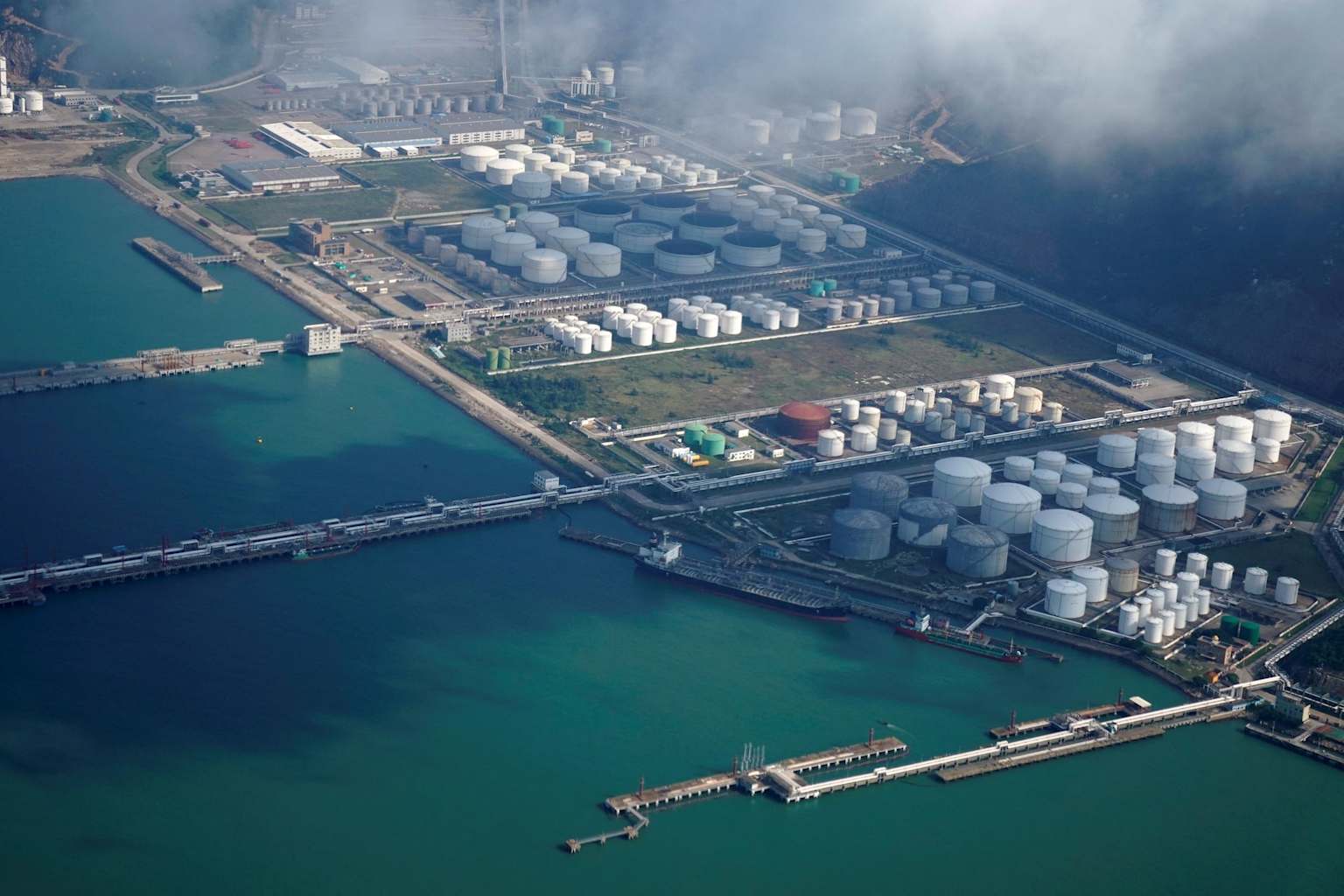
Even as the Strait of Hormuz edges toward reopening following the U.S.-Iran ceasefire framework announced on June 14, China — the world’s largest crude importer — is not expected to quickly ramp up purchases from the Persian Gulf. Analysts say Beijing’s massive strategic reserves and the commercial incentives of its independent refiners both point toward a prolonged period of subdued buying.
China’s crude imports fell to roughly 7.8 million barrels per day in May, the lowest level since 2017 and nearly 40 percent below the country’s 2025 average of about 11.6 million barrels per day, according to customs data reported by Bloomberg. The U.S. Energy Information Administration estimates that China ended 2025 with approximately 1.4 billion barrels in strategic reserves — the largest emergency stockpile in the world. Beijing appears not to have drawn significantly on those reserves, and storage tanks at refineries remain nearly full with gasoline, diesel, and other refined products.eia
“China, the largest crude importer globally, has decreased its imports by four million barrels daily,” LPL Financial chief economist Jeffrey Roach noted, calling the reduction “equivalent to the combined oil consumption of Germany and France”.nypost
China’s independent refiners, concentrated in Shandong province, have long been the primary buyers of sanctioned Iranian crude at discounts of $8 to $10 per barrel below ICE Brent on a delivered basis. The U.S.-Iran memorandum of understanding, which President Trump signed remotely on June 17 according to Axios, includes immediate waivers on Iranian oil export sanctions. If sanctions are formally lifted under a final agreement, those deep discounts would likely vanish as other buyers gain access to Iranian barrels. Iranian Light crude was already being offered at just $1 to $1.50 per barrel below Brent as of mid-June.nytimes
The Strait’s status remains contested. On June 20, Iran’s military declared it closed again — citing Israeli strikes on Lebanon — even as U.S. Central Command reported 55 merchant ships carrying roughly 17 million barrels transited that same day. Analysts expect a temporary surge in deliveries once stranded tankers reach Chinese ports, but few foresee a swift return to pre-war import volumes.reuters
Oil prices remain well above pre-conflict levels, and Chinese refinery run rates have dropped to their lowest since August 2022. GL Consulting forecasts a 5 percent decline in Chinese refining activity for all of 2026. As Société Générale analysts put it, China has become the market’s “key rebalancing force” — and for now, that force is pulling demand down, not up.fortune