







Newsletter Subscribe
Enter your email address below and subscribe to our newsletter

Enter your email address below and subscribe to our newsletter
All voices matter
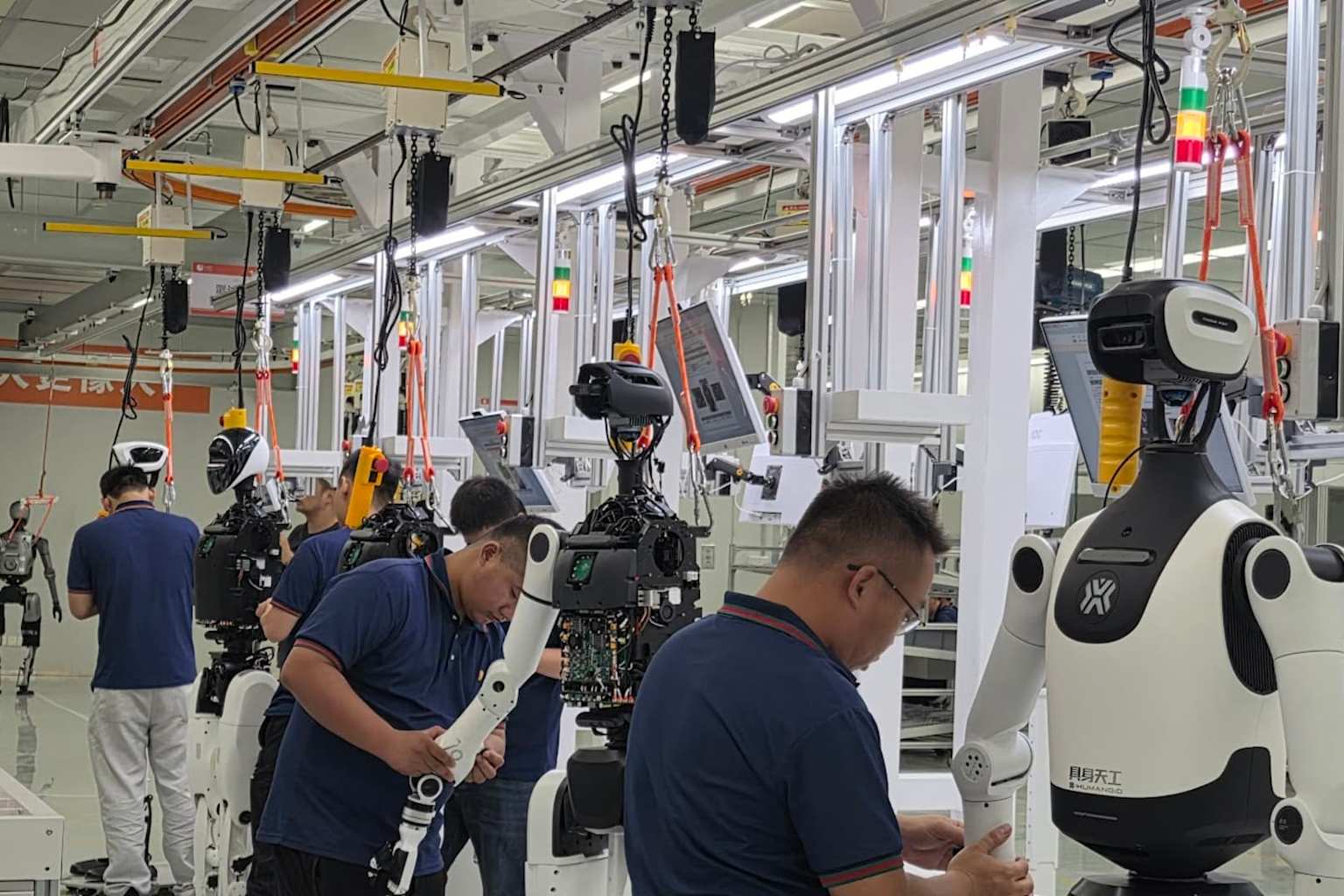
A wave of new companies flooding into China’s humanoid robotics sector is raising alarm among founders and investors who fear the industry is heading toward the kind of destructive price competition that battered the country’s electric vehicle market. Caixin reported on June 15 that the rush of entrants is stirring concern the sector could become overcrowded, even as demand for the machines remains uncertain.thewirechina
China now accounts for roughly 85% of global humanoid robot shipments, according to Barclays, with more than 140 manufacturers and over 330 models as of 2025. Morgan Stanley expects domestic sales to more than double this year to around 28,000 units. But the speed of expansion has outpaced commercial demand. The Chinese government itself publicly warned last year about the risk of a bubble given the lagging state of real-world applications.fortune
Prices are already falling steeply. Unitree, which listed recently, disclosed in its IPO filing that the unit price of its humanoid robots fell 72% between 2023 and 2025. Rental rates for humanoid robots have plunged as well — the daily rate for a 100,000-yuan robot dropped from 25,000 yuan early last year to 2,199 yuan by early 2026, according to The Beijing News. Digitimes reported in May that intensifying price competition and concerns over product reliability are clouding the sector’s outlook.humanoid
Amid the competition, Wuhan-based GigaAI is pursuing an aggressive go-to-market strategy. The Huawei-backed startup deployed 100 of its SeeLight S1 humanoid robots into apartments in Wuhan’s Optic Valley district for free household testing, marking what state media called China’s first large-scale real-home trial of a general-purpose domestic humanoid. The robots, which can prepare meals, handle laundry, and tidy rooms, are being provided at no charge as GigaAI collects user feedback before broader trials planned for the third quarter.mikekalil
The current unit cost is around $28,000, but GigaAI is targeting a price below $14,000 by next year.mikekalil
Industry observers see parallels with the bruising competition that swept China’s electric vehicle sector, where hundreds of startups entered the market only for many to collapse amid margin-crushing discounts. “The use cases of these robots are still so limited,” said Chibo Tang of venture capital firm Gobi Partners, noting that without sufficient market demand, companies cannot achieve the scale needed for mass production. Samm Sacks of the New America think tank added that “the economics are tough: humanoid robots remain expensive to produce, fragile in operation, and dependent on highly structured environments to function.”fortune
With more capital pouring in and prices spiraling downward, the question facing the sector is whether China’s humanoid robot makers can find enough paying customers before the shakeout begins.