





Newsletter Subscribe
Enter your email address below and subscribe to our newsletter

Enter your email address below and subscribe to our newsletter
All voices matter
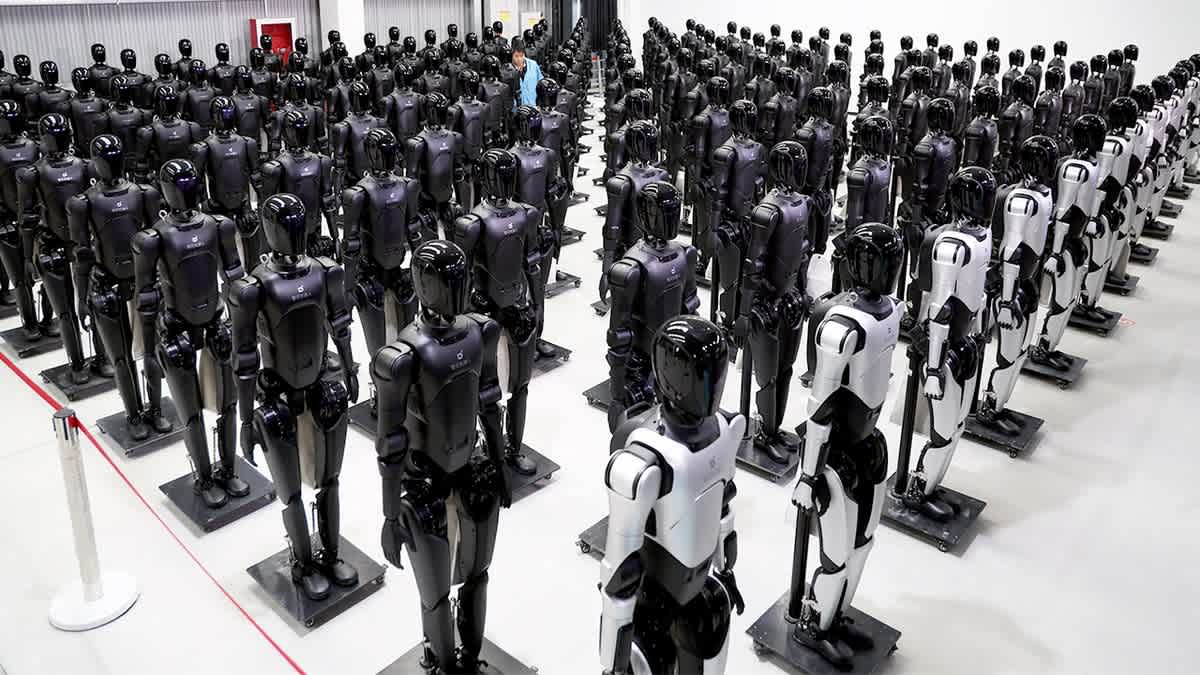
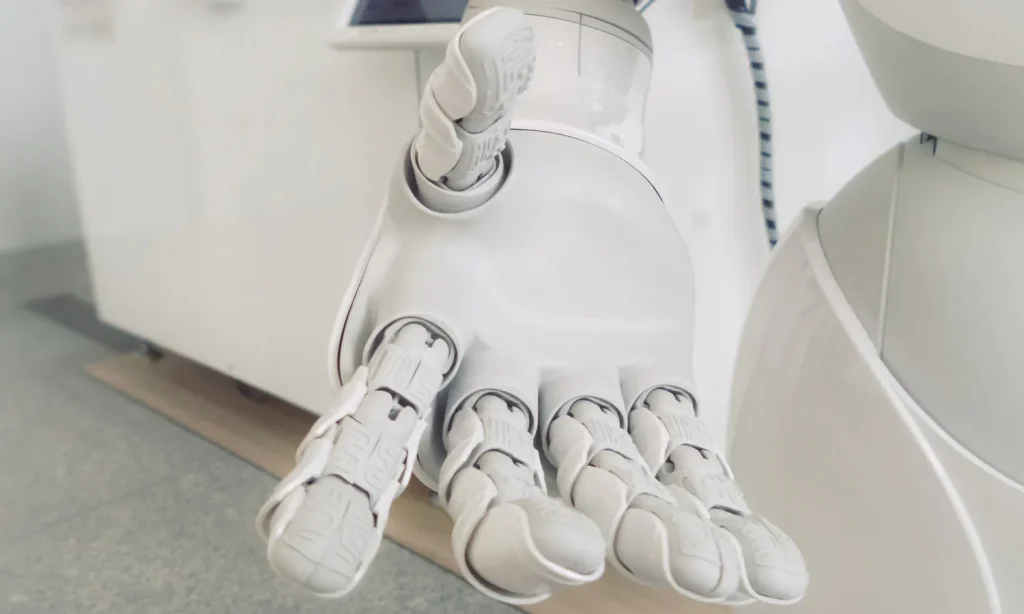
Chinese humanoid robot makers have scaled production to dominate the global market, but experts warn that the industry’s ability to build these machines far outpaces demand for them — raising concerns about a potential bubble in the nascent sector.
Chinese companies accounted for roughly 85% of global humanoid robot shipments in 2025, according to a research report by Barclays. Of the more than 13,000 humanoid robots shipped worldwide last year, AGIBOT and Unitree — two of China’s leading robotics startups — each shipped over 5,000 units, while U.S. rivals like Figure AI and Tesla each shipped a few hundred or fewer, according to research firm Omdia.apnews
Morgan Stanley expects China’s humanoid sales to more than double this year to around 28,000 units, and the firm estimates the broader humanoid market could reach $5 trillion by 2050. Yet analysts caution that most humanoid robots remain “performative rather than functional,” falling short of working in unpredictable real-world environments.fortune
“The economics are tough: humanoid robots remain expensive to produce, fragile in operation, and dependent on highly structured environments to function,” said Samm Sacks, a senior fellow at the New America think tank, in an Associated Press report. She added there is “a long way to go to get to a level of functionality where people will actually feel comfortable having them in their homes.”fortune
China had more than 140 humanoid robot manufacturers and over 330 models in 2025, according to the Ministry of Industry and Information Technology. The Chinese government itself publicly warned about the risk of a bubble in the industry given lagging commercialization. A report by the Mercator Institute for China Studies found that while China’s humanoids are already cheaper than those made elsewhere, they remain “far too expensive for widespread deployment”.fortune
Chibo Tang of venture capital firm Gobi Partners told the AP that “the use cases of these robots are still so limited” and that without market demand at scale, companies cannot justify mass production.apnews
Despite the challenges, some makers report early profitability. Unitree said it generated 1.7 billion yuan (around $250 million) in revenue last year with a profit exceeding 278 million yuan. Robot makers argue that scaling production will drive costs down, with Morgan Stanley estimating the average unit price could fall from $46,000 last year to about $21,000 by 2050.fortune
Still, Eric Guo, founder of Shenzhen-based AI² Robotics, said training robots to perform beyond single tasks requires years of data collection. “The mass production capability in the robotic area is still at the very early stage,” Guo said.fortune