





Newsletter Subscribe
Enter your email address below and subscribe to our newsletter

Enter your email address below and subscribe to our newsletter
All voices matter
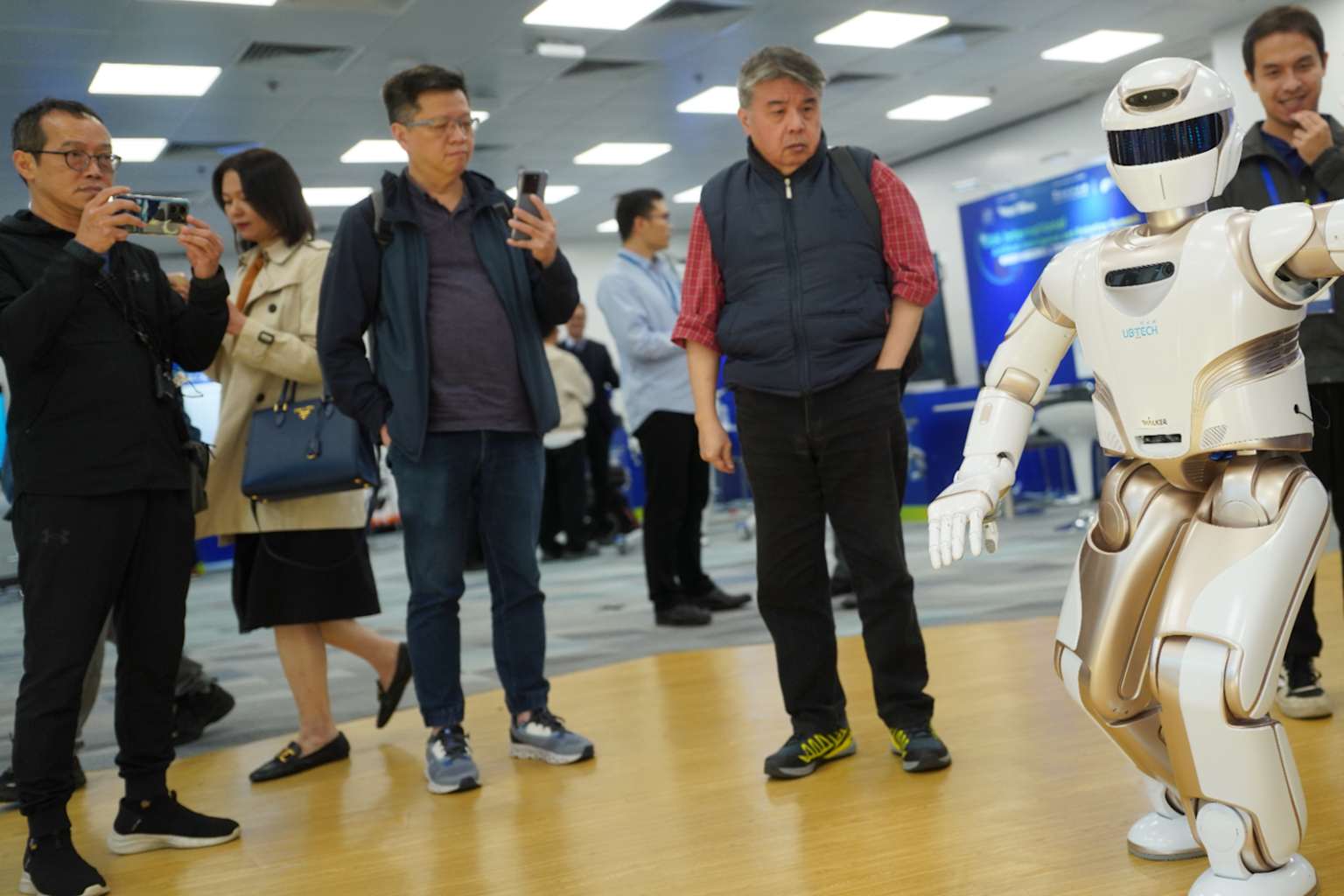
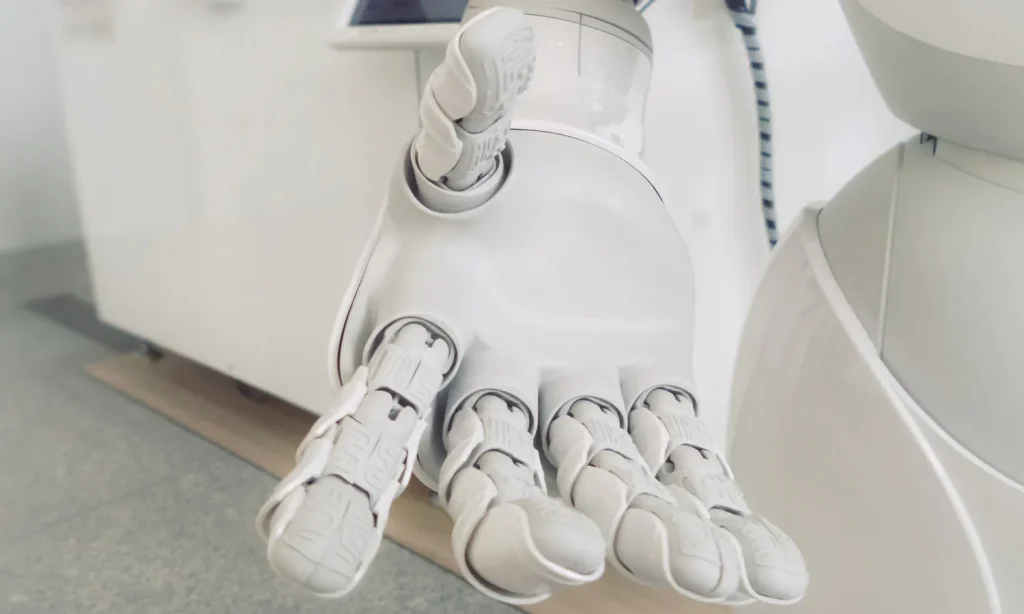
The Humanoids Summit Tokyo opened on Thursday with mechanical hands threading needles, dancing robots, and delivery-sized humanoids on display — but among the dozens of exhibitors, Chinese companies emerged as the clear stars of the event.wftv
Companies like Booster Robotics and LimX Dynamics have taken technology initially developed in Japan and the United States and refined it for cheaper mass production, according to the Associated Press. The pattern echoes what happened in consumer electronics, cellphones, and electric vehicles — industries where Japan led early but failed to produce major commercial solutions at scale.apnews
“I really hope that Japan can come up with a Ford Model T-version of humanoid robots. But I think China has already stolen their lunch. It’s a bit too little too late,” said Tim Hornyuk, author of “Loving the Machine: The Art and Science of Japanese Robots,” who attended the event.apnews
One telling example of Chinese robotics penetration into Japan was GMO AI & Robotics, a Tokyo-based company developing a humanoid robot for Japan Airlines cargo handling at airports. The robot’s inner workings are all courtesy of Unitree, a Chinese firm. Japan Airlines and GMO launched Japan’s first humanoid robot trial at Tokyo’s Haneda Airport in May, aiming to address labor shortages in ground handling operations such as baggage loading and cabin cleaning.jal
High Torque, another Chinese company, displayed its Mini Pi Plus dancing robot — still incapable of factory work or household chores, but priced at just $5,500.apnews
Honda, a pioneer with its walking Asimo robot first shown in 2000, demonstrated a motorized four-fingered robotic hand capable of screwing on tiny bolts and threading a needle. Keisuke Tsuta, Honda’s assistant chief engineer, said the company’s technology is more durable and powerful than rival offerings and noted Japan’s historical strength in quality mass production.global
Sanctuary AI CEO James Wells, who spoke at the event, has identified dexterity as the primary challenge facing the industry. Wells has said humanoid robots will need three to five more years to achieve the performance consumers will accept for domestic use.forbes
Osaka University Professor Hiroshi Ishiguro, who appeared alongside his robotic clone, struck a defiant tone. “What’s significant is that Japan has a culture that’s receptive to robotics. If we’re going to really start using robots in society, Japan is the ideal place,” he said.apnews
The summit, held May 28–29 at the Takanawa Gateway Convention Center, comes as Japan faces mounting pressure to deploy automation against its deepening labor shortage. A recent Pew global survey found that people in Japan are highly aware of AI but less anxious about it — about 28% expressed concern, compared with 50% of Americans.humanoidssummit