Newsletter Subscribe
Enter your email address below and subscribe to our newsletter
Enter your email address below and subscribe to our newsletter

All voices matter
European natural gas prices rose on Monday as a severe heatwave across the continent boosted power demand while renewed tensions over the Strait of Hormuz kept supply fears elevated.
Dutch TTF front-month futures, the European benchmark, climbed €0.65 to €42.80 per megawatt-hour on Monday morning in Amsterdam. British spot contracts also firmed. The gains came as traders weighed dual pressures: scorching temperatures driving up gas-fired electricity generation and a fresh closure of a critical LNG shipping route.worldenergynews
Western Europe is enduring a prolonged heatwave that has pushed temperatures 5°C to 12°C above seasonal norms across France, Germany, Italy, Spain, and southern England. The extreme heat threatens to drive cooling demand to levels not seen in 45 years of records, according to analysis by meteorologist Matthew Dross at Vaisala.energyconnects
The heat is simultaneously curbing nuclear output. Electricité de France warned that its Saint-Alban plant on the Rhône is already limiting generation, with the Blayais and Golfech facilities potentially affected from June 23 and June 25 respectively. Warmer river water makes it harder to cool reactors, forcing curtailments that tighten electricity supply and increase reliance on gas-fired power plants.energyconnects
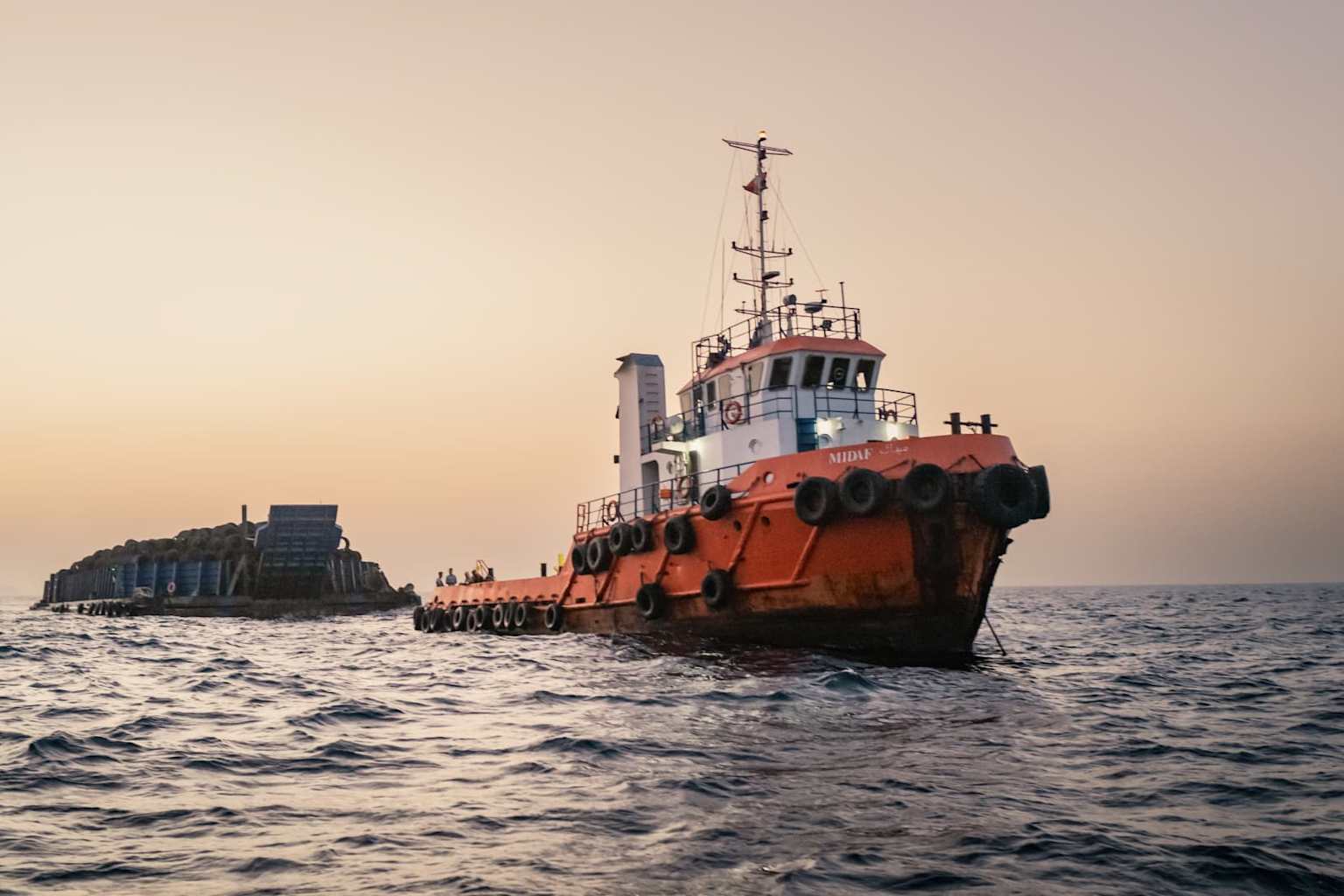
Iran’s armed forces announced on Saturday that they were closing the Strait of Hormuz, just three days after it had reopened, citing U.S. failure to restrain Israeli strikes in Lebanon as a breach of the recent ceasefire agreement. The New York Times reported that 55 ships had passed through the strait on Saturday before Iran’s military declared the new closure.reuters
The announcement injected fresh uncertainty into U.S.-Iran peace talks in Switzerland, where Vice President JD Vance met with Iranian representatives on Sunday. Though mediators from Qatar and Pakistan described “encouraging progress” toward a lasting deal, President Trump threatened to “blow the hell out of” Iran, prompting Iranian negotiators to walk out. A “communication line” for the Strait of Hormuz and a framework for further technical discussions were nonetheless established.reuters
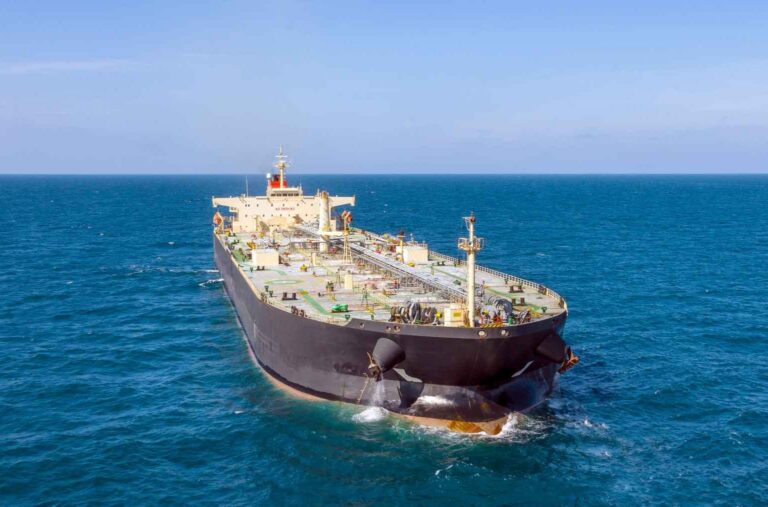
The situation remains muddled. CNBC reported Monday that shipping activity in the strait stalled over the weekend, even as industry trackers showed Iranian-flagged tankers continuing to sail through. The strait normally handles roughly 20 percent of global LNG trade, including key exports from Qatar. Since the U.S.-Iran conflict erupted in late February, LNG flows from the region have been largely disrupted.investing
TTF prices have traded in a volatile range this year, spiking above €50 in March before falling back on ceasefire hopes. The combination of geopolitical risk and weather-driven demand now threatens to push prices higher again as Europe attempts to rebuild gas inventories ahead of next winter.gmk