Newsletter Subscribe
Enter your email address below and subscribe to our newsletter
Enter your email address below and subscribe to our newsletter

All voices matter
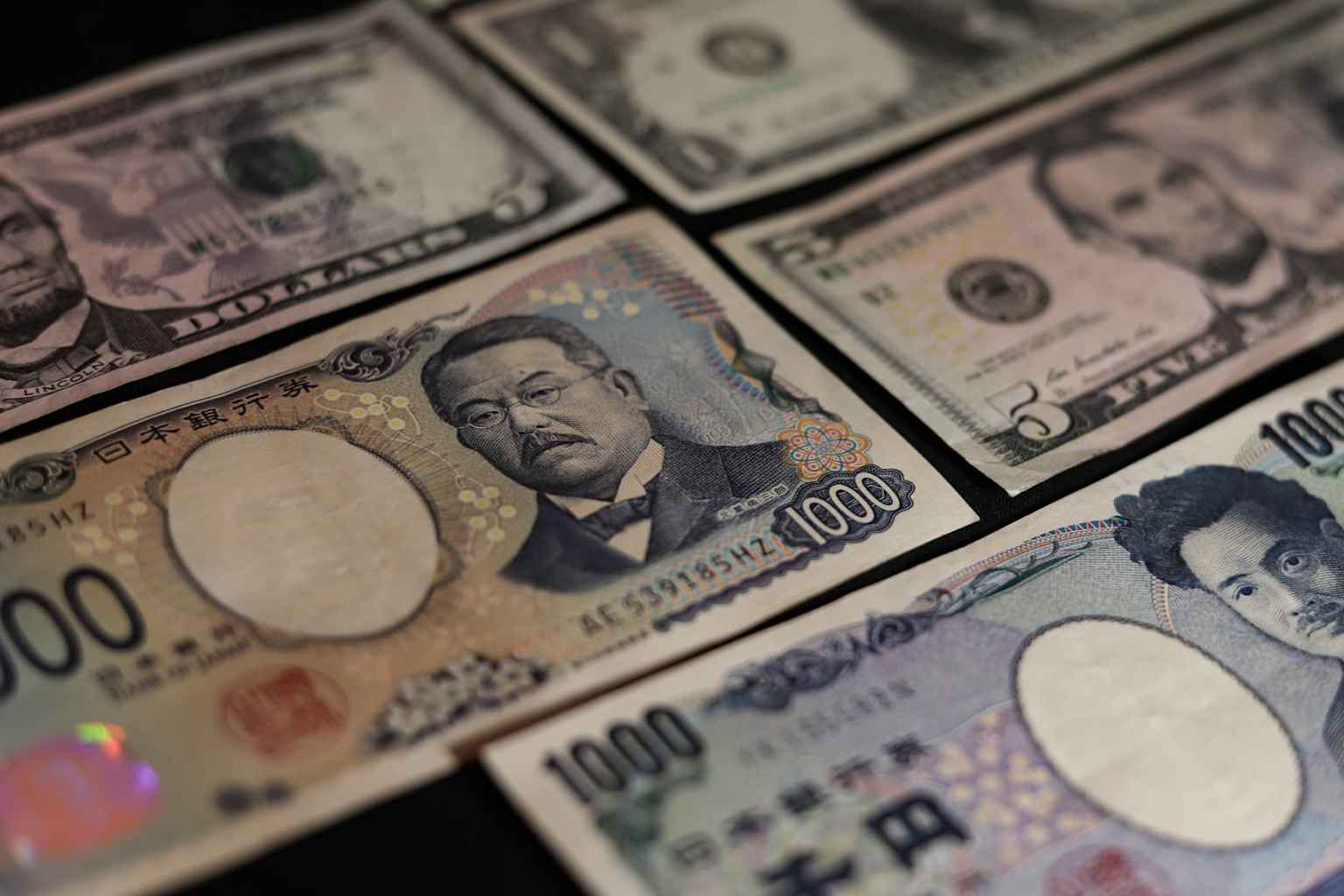
The Japanese yen continued to weaken on Monday, hovering near its lowest level since July 2024 as Finance Minister Satsuki Katayama reiterated that authorities stand ready to act on currency markets “at any time.” The USD/JPY pair traded around 161.5 in Tokyo, within striking distance of the July 2024 peak of 161.96 — a breach of which would mark the yen’s weakest point since 1986.reuters
“I would avoid discussing the current foreign exchange circumstances, but we will take appropriate measures regarding currency exchange as necessary at any moment,” Katayama said during a routine Monday press briefing, according to Reuters.reuters
The yen’s slide has accelerated since the Federal Reserve’s June 17 meeting — the first chaired by Kevin Warsh — which markets interpreted as hawkish, raising expectations for further U.S. rate hikes. Even a Bank of Japan rate increase to 1%, the highest in 31 years, failed to arrest the decline. The widening interest rate gap between the two countries has kept traders selling yen despite Tokyo’s warnings.fintokei
Matt Simpson, a senior market analyst at StoneX, said the Ministry of Finance “may be experiencing discomfort watching USD/JPY rise towards the 2024 high” but added that officials “might also feel powerless to intervene, as acting against the backdrop of a hawkish Federal Reserve and robust U.S. fundamentals could be both costly and ineffective”.reuters
Japan spent a record 11.73 trillion yen — roughly $73.5 billion — buying yen between late April and late May, temporarily pushing the currency to around 155 per dollar. Those gains have now been entirely erased. The episode echoes a pattern from 2022 and mid-2024, when large-scale interventions provided only temporary relief against a structurally stronger dollar. In total, Japan has spent an estimated $215 billion on yen-buying operations since 2022.japantimes
Katayama has deliberately avoided naming a specific exchange rate that would trigger action, a tactic analysts say is aimed at keeping speculators guessing. But with the yen now trading beyond levels that prompted the last round of intervention, the question is not whether Tokyo will act again, but whether doing so would make a difference.japantimes