




Newsletter Subscribe
Enter your email address below and subscribe to our newsletter

Enter your email address below and subscribe to our newsletter
All voices matter
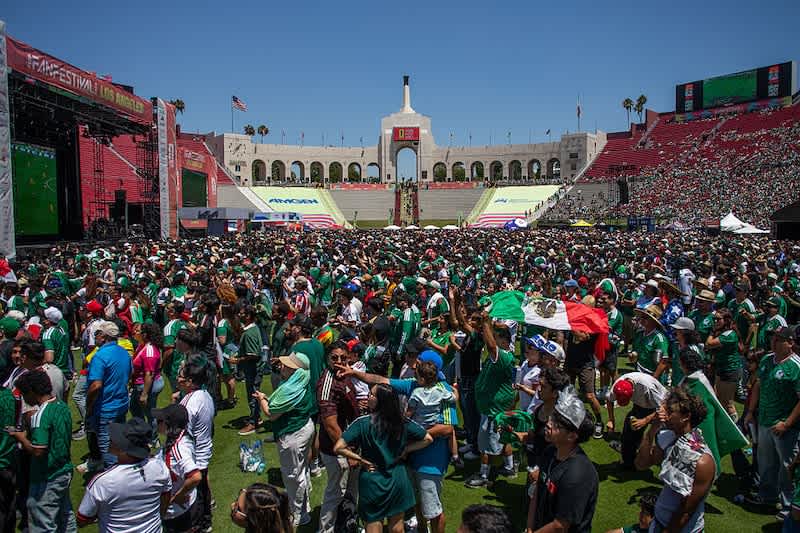
FIFA’s 2026 World Cup, the largest in the tournament’s history with 48 teams and 104 matches across 16 cities in Canada, Mexico, and the United States, has become the most ambitious experiment in merging blockchain technology with live global sport. The tournament, which kicked off on June 11, is running ticketing, loyalty programs, and digital collectibles on a custom Avalanche layer-1 blockchain — a purpose-built network designed for high throughput and minimal fees.
FIFA announced its partnership with Avalanche in May 2025, migrating its FIFA Collect platform away from Algorand to a dedicated Avalanche-powered layer-1 blockchain built with infrastructure provider Modex. The new FIFA Blockchain handles digital collectibles and “Right to Buy” tokens that allow fans to secure ticket purchase slots through FIFA Connect.bitcoin
Even before the tournament began, the system showed its scale. Avalanche executive Arielle Pennington disclosed in late May that FIFA ticket activity had generated more than 60,000 transactions on the network, with transaction volume spiking 24 times above normal levels and active addresses growing roughly tenfold.bitcoin
FIFA’s blockchain strategy extends beyond infrastructure. The governing body named Kraken as the Official Crypto Exchange Supporter of the tournament, a partnership announced on June 12 that aims to drive crypto adoption and education among football fans globally. The deal marks a return to major sports sponsorships for the crypto industry after a subdued period following the collapse of FTX.fifa
Kraken’s activation began with the FIFA World Cup 2026 Countdown Concert series on June 10 and will continue across all 16 host cities throughout the tournament, which runs through July 19.kraken
The early results have been striking. FIFA reported over one million fans attended the first 16 matches of the tournament, with an average attendance of 63,072 per game and stadiums running at a 99.69 percent fill rate through the opening matches — outpacing Qatar 2022’s early figures. As Matchday 5 wrapped up on June 16, the blockchain infrastructure continued processing transactions beneath a surface experience designed to feel seamless for fans who may never know they are interacting with a distributed ledger.cryptobriefing
The World Cup now serves as both a sporting spectacle and a stress test for whether blockchain can operate invisibly at the scale of billions of engaged viewers.