






Newsletter Subscribe
Enter your email address below and subscribe to our newsletter

Enter your email address below and subscribe to our newsletter
All voices matter
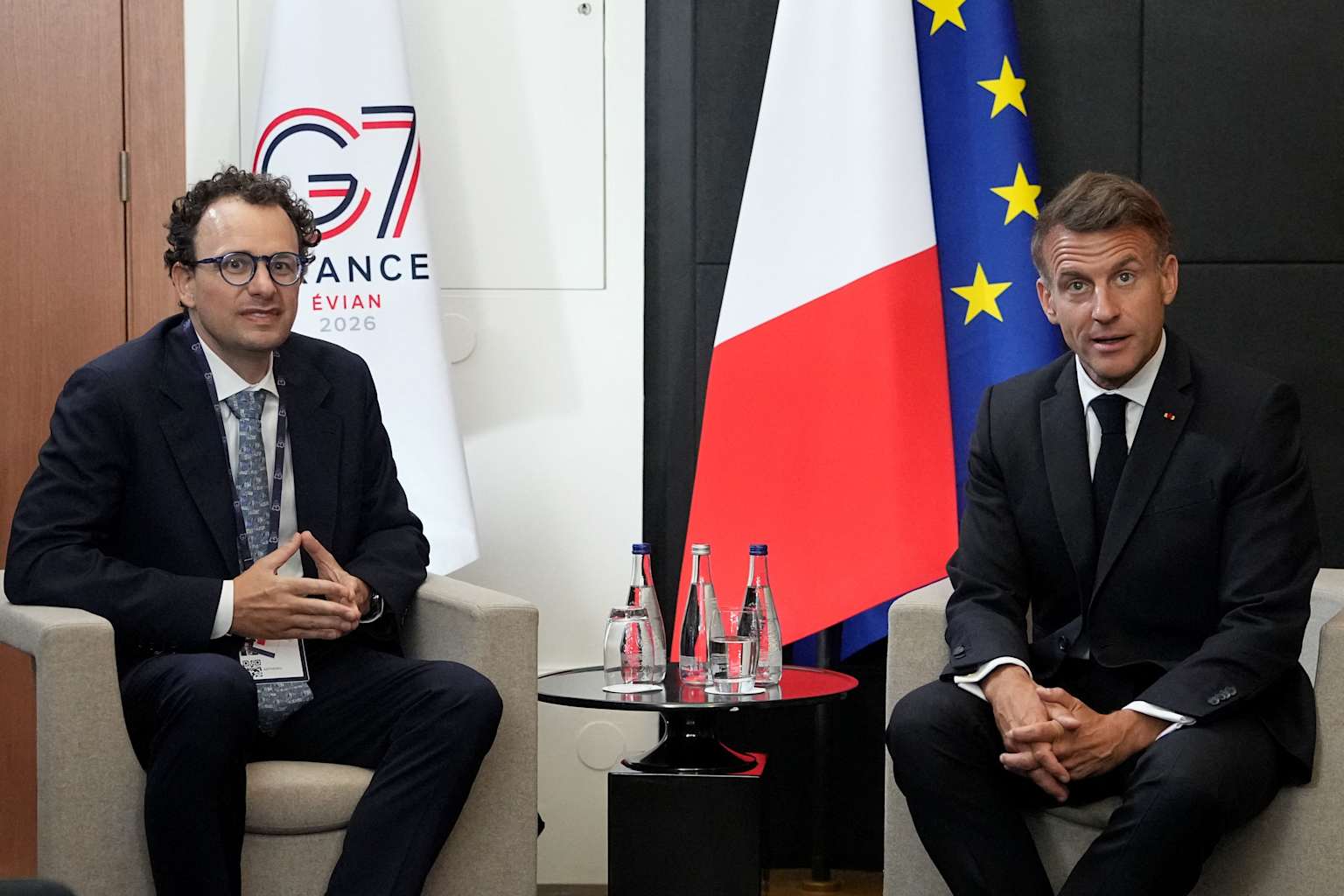
As the G7 summit in Évian-les-Bains, France, drew to a close on Wednesday, leaders from the world’s wealthiest democracies rallied around a proposal to grant select “trusted partners” access to advanced American AI models — a direct response to the U.S. government’s export control order that forced Anthropic to disable its most powerful systems worldwide less than two weeks ago.
The discussions, first reported by Reuters on Tuesday, centered on a framework that would allow certain countries or companies to gain exemptions from the restrictions that prompted Anthropic to shut down its Fable 5 and Mythos 5 models on June 12. French President Emmanuel Macron said Wednesday he expected progress on broadening access to the models “in the forthcoming weeks,” while European Commission President Ursula von der Leyen argued it was in the “mutual interest” of the United States and Europe for the EU to have access to the best AI technologies.usnews
The export control directive, issued by the Commerce Department’s Bureau of Industry and Security, barred Anthropic from distributing its frontier models to any foreign national — including those living and working inside the United States. The order was triggered after cybersecurity researchers discovered a vulnerability in Fable 5’s safety filters that could be exploited with a simple prompt to access advanced cyber capabilities embedded in the underlying Mythos framework.forbes
In an unprecedented move, CEOs of the leading AI companies — Anthropic’s Dario Amodei, OpenAI’s Sam Altman, and Google DeepMind’s Demis Hassabis — attended a working lunch with G7 leaders on Wednesday to discuss regulation, AI infrastructure, and cybersecurity. Representatives from Meta and Mistral AI were also present.cnbc
U.S. Commerce Secretary Howard Lutnick engaged with European officials on the sidelines to address their concerns about the restrictions, according to the Financial Times. One diplomatic source told Reuters that discussions about widening access took place primarily during the opening G7 dinner on Monday.indexbox
The episode has elevated AI sovereignty to a first-order geopolitical issue. The United Kingdom denied it had sought a specific carve-out from the restrictions, with a No. 10 spokesperson calling such reports “categorically untrue” while noting the government maintains “regular and constructive communication” with Washington and Anthropic.politico
In a joint statement Wednesday, G7 leaders announced they would task finance officials, regulators, and cybersecurity experts with evaluating how frontier AI models might affect financial stability, productivity, and labor markets. The trusted partners proposal, if realized, would allow allied nations to use advanced models to bolster cybersecurity defenses against rivals such as China.usnews