




Newsletter Subscribe
Enter your email address below and subscribe to our newsletter

Enter your email address below and subscribe to our newsletter
All voices matter
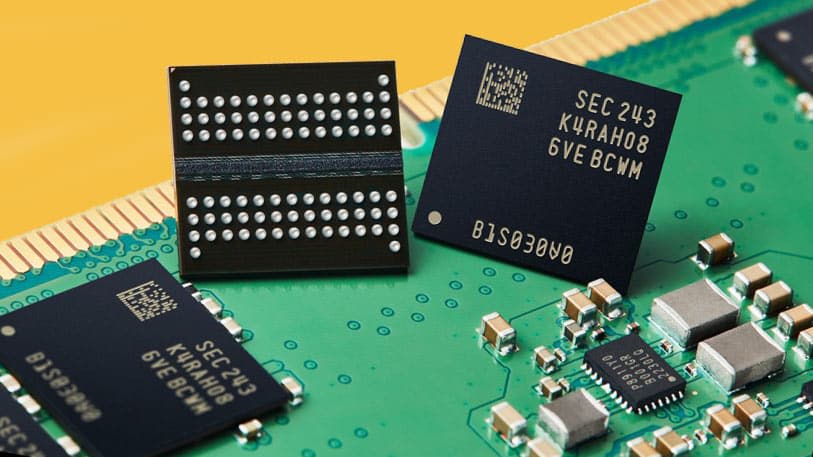
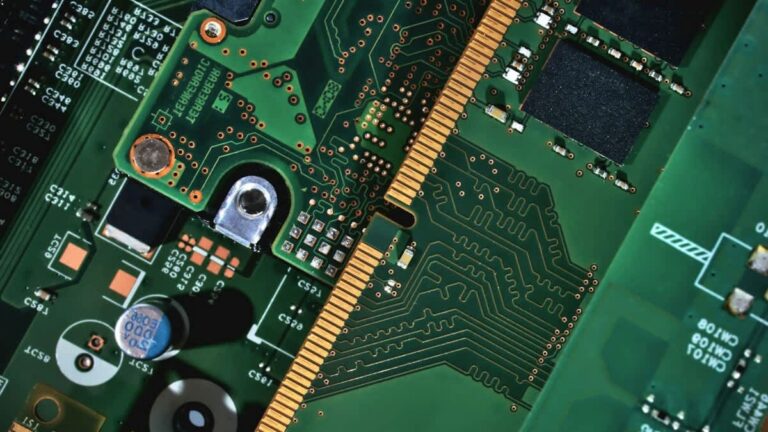
Global DRAM contract prices are projected to surge 58% to 63% quarter-on-quarter in the second quarter of 2026, according to Taiwan-based market research firm TrendForce, as the expansion of artificial intelligence workloads from training into inference continues to strain memory supply chains worldwide.trendforce
TrendForce’s pricing survey, published March 31, found that North American cloud service providers are accelerating AI inference deployments, driving demand for both AI and general-purpose servers. High-capacity RDIMMs have become the primary procurement target, with suppliers continuing to prioritize server DRAM due to its superior profitability. The firm noted that suppliers are negotiating long-term agreements with key customers to support future capacity expansion, though near-term supply remains tight.trendforce
The shift from large language model training to inference has broadened the types of memory products in demand. Intel’s AI-focused Xeon CPUs and AMD’s EPYC processors are now configured with up to 400GB of DDR5 DRAM — as much as four times the capacity of previous-generation server CPUs — further intensifying the supply squeeze.x
Samsung Electronics solidified its position atop the global DRAM market in Q1 2026, raising its revenue share to 38.5% with a 93.4% quarter-on-quarter revenue increase, according to TrendForce data published in late May. Global DRAM revenue reached a record $97 billion in the quarter, up 81% sequentially.counterpointresearch
Samsung disclosed in its full Q1 earnings report that average memory selling prices surged approximately 146% from 2025 levels. The company also noted that conventional DRAM products are currently delivering higher profitability than HBM, as conventional prices are negotiated quarterly while HBM prices are locked on an annual basis.youtube
The structural reallocation of manufacturing capacity toward AI applications is creating acute shortages for consumer electronics. TrendForce warned that despite downside risks to end-market shipments, suppliers have reduced allocations to PC OEMs and module makers, forcing those customers to procure at higher prices. An estimated 70% of global memory chip production in 2026 is destined for AI data centers.supplyframe
SK hynix chairman Chey Tae-won has warned the shortage could persist for another four to five years. IDC projects 2026 DRAM supply growth of just 16% year-on-year, well below demand growth estimates of 20% to 25%. Industry observers expect the memory supercycle, initially forecast to peak in 2026, to extend into 2027 as commodity DRAM demand surges alongside continued HBM requirements.x