





Newsletter Subscribe
Enter your email address below and subscribe to our newsletter

Enter your email address below and subscribe to our newsletter
All voices matter
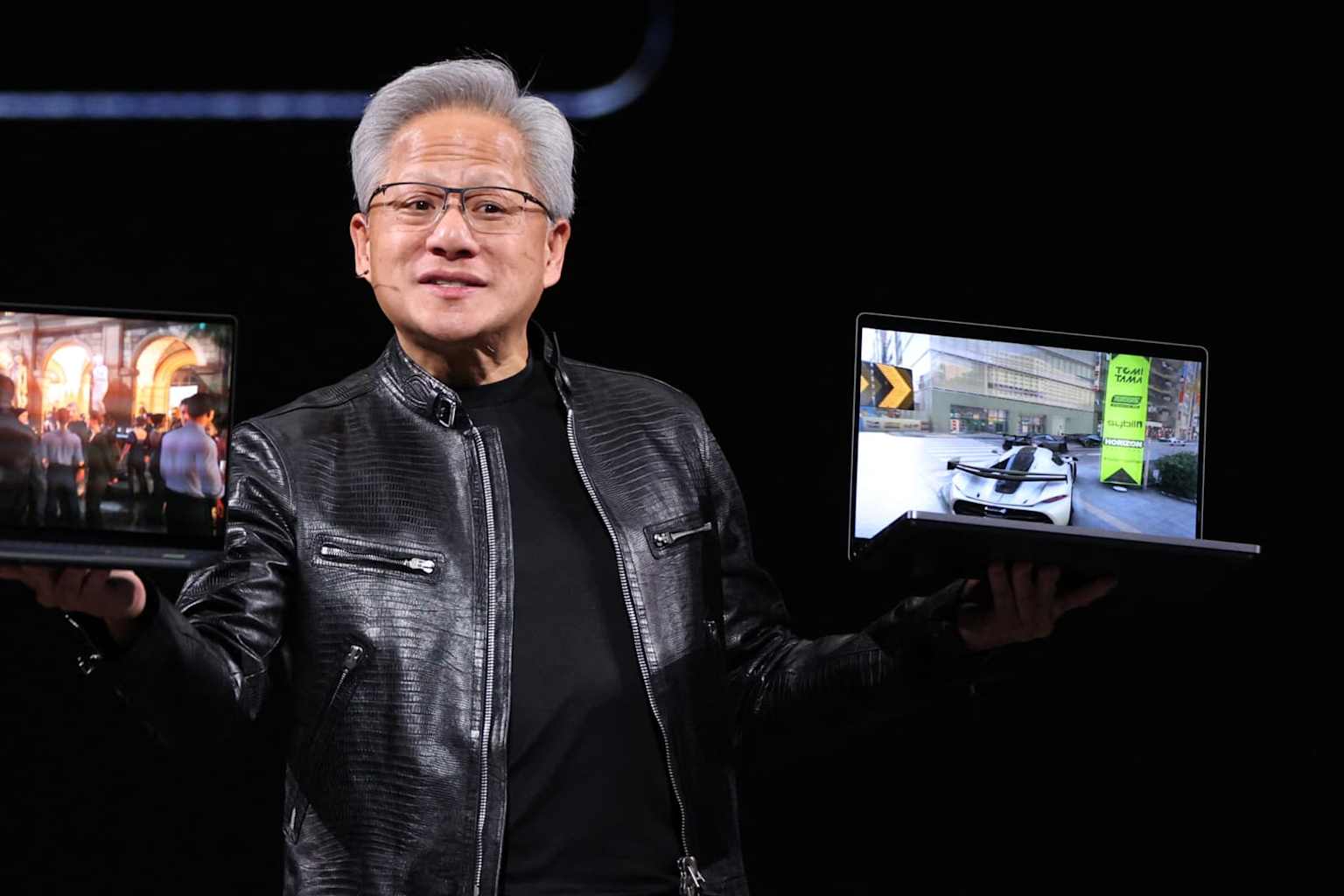
At a press conference during Computex 2026 in Taipei on Tuesday, Nvidia CEO Jensen Huang declared his company “the biggest buyer among all companies in Taiwan’s ecosystem” and outlined an aggressive expansion plan that ties the chipmaker’s future ever more tightly to the island’s semiconductor supply chain.sedaily
Huang said Nvidia has more than doubled the production capacity of its next-generation Vera Rubin AI platform compared with its predecessor Grace Blackwell, crediting the achievement to the island’s 150 supply chain partners. He announced plans to grow Nvidia’s Taiwan workforce from roughly 1,000 employees today to thousands more through a new 4,000-person facility, part of the Constellation campus set to open by 2030.reuters
In a notable moment, Huang personally invited MediaTek CEO Rick Tsai onto the stage to discuss their collaboration on the N1X system-on-chip inside RTX Spark, Nvidia’s newly unveiled AI PC platform. Huang said he called Tsai directly to propose jointly developing “a super chip for AI PCs,” explaining that MediaTek’s multimedia processing and low-power design capabilities were essential for building what Nvidia calls “the first agent computer”.x
Tsai described the two-year co-development effort as “a wonderful experience” and praised Huang’s insistence on using Nvidia’s NVLink interconnect rather than PCI Express to link the GPU and CPU inside the chip. “At first I didn’t understand, but I later realized that PCI Express not only has narrow bandwidth and long latency but also consumes a lot of power,” Tsai said.sedaily
Huang revealed that the partnership will continue well beyond the current product. “We have a roadmap that extends to the second-generation N2X and third-generation N3X,” he said, confirming that a lighter N1 variant is also in development. The disclosure signals that Nvidia intends to make its MediaTek collaboration a long-term pillar alongside its data center business.sedaily
Huang framed the expansion in geopolitical terms, pushing back against concerns about Taiwan’s strategic risks. “The AI supply chain must have resilience, and from that perspective, Taiwan is the most amazing strategic partner,” he said, adding that even as Nvidia scales U.S. production, “the fact that Taiwan is excellent in manufacturing does not change”. Earlier this week, Huang disclosed that Nvidia now spends between $100 billion and $150 billion annually in Taiwan, up from $10 billion to $15 billion just four to five years ago.straitstimes
The keynote and press conference together painted a picture of Nvidia evolving from a GPU company into what Huang called “an infrastructure company” — one whose ambitions increasingly run through Taiwan’s factories, engineers, and chip design houses.dominotheory