Newsletter Subscribe
Enter your email address below and subscribe to our newsletter

Enter your email address below and subscribe to our newsletter
All voices matter
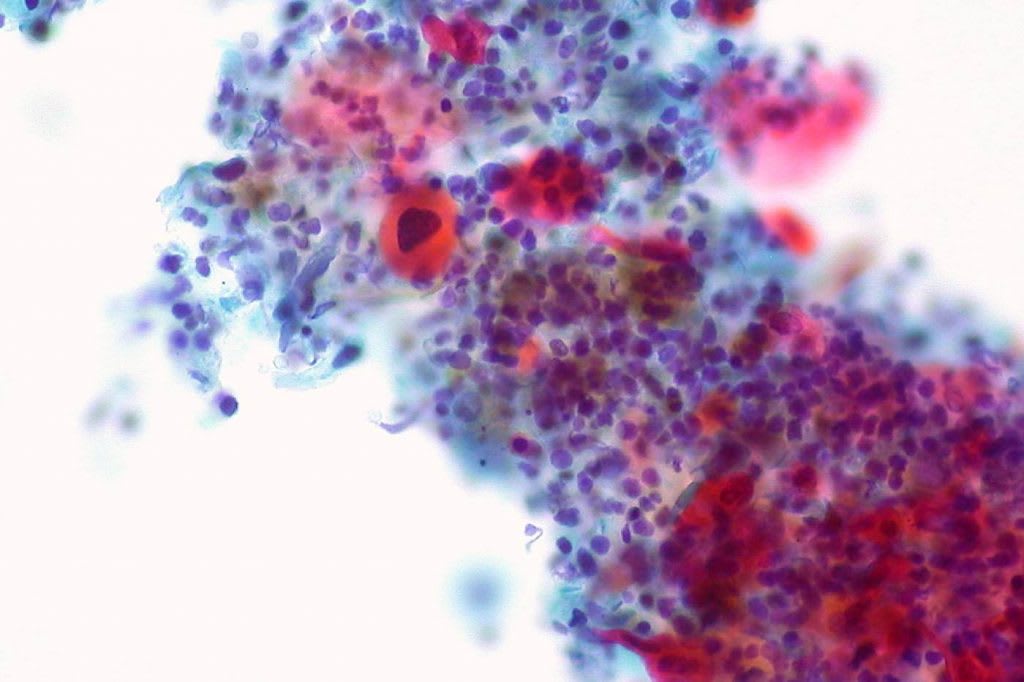
Results from an international clinical trial presented at the American Society of Clinical Oncology Annual Meeting show that a subcutaneous cancer injection can eradicate or shrink tumors in patients who have run out of standard treatment options.
The phase Ib/II OrigAMI-4 trial evaluated subcutaneous amivantamab — marketed as Rybrevant Faspro by Johnson & Johnson — in 102 patients with recurrent or metastatic head and neck squamous cell carcinoma across 55 hospitals in 11 countries. The drug produced an overall response rate of 47%, with 15 patients achieving complete disappearance of their tumors and 28 experiencing partial responses. Patients lived for a median of 12.5 months after starting treatment, and median progression-free survival was 6.8 months.ascopubs
Amivantamab is a bispecific monoclonal antibody that attacks cancer through three mechanisms. It blocks EGFR, a protein that helps tumors grow, and MET, a pathway cancer cells often exploit to evade treatment. It also activates the immune system to target tumor cells. Delivered as a subcutaneous injection once every three weeks, the treatment avoids the lengthy intravenous infusions typically required for antibody therapies.cancernetwork
Head and neck squamous cell carcinoma is the world’s sixth most common cancer, and patients whose disease progresses after platinum-based chemotherapy and immunotherapy face few effective alternatives. In February 2026, the FDA granted amivantamab breakthrough therapy designation for this patient population based on earlier OrigAMI-4 data.irishtimes
Most side effects were mild to moderate, with fewer than one in 10 patients discontinuing treatment. Administration-related reactions occurred in just 7% of participants.nih
The drug is now being evaluated in the phase 3 OrigAMI-5 study in combination with pembrolizumab and carboplatin as a first-line treatment for HPV-unrelated head and neck cancer, and is under investigation in approximately 60 clinical trials across multiple tumor types.cancernetwork