





Newsletter Subscribe
Enter your email address below and subscribe to our newsletter

Enter your email address below and subscribe to our newsletter
All voices matter
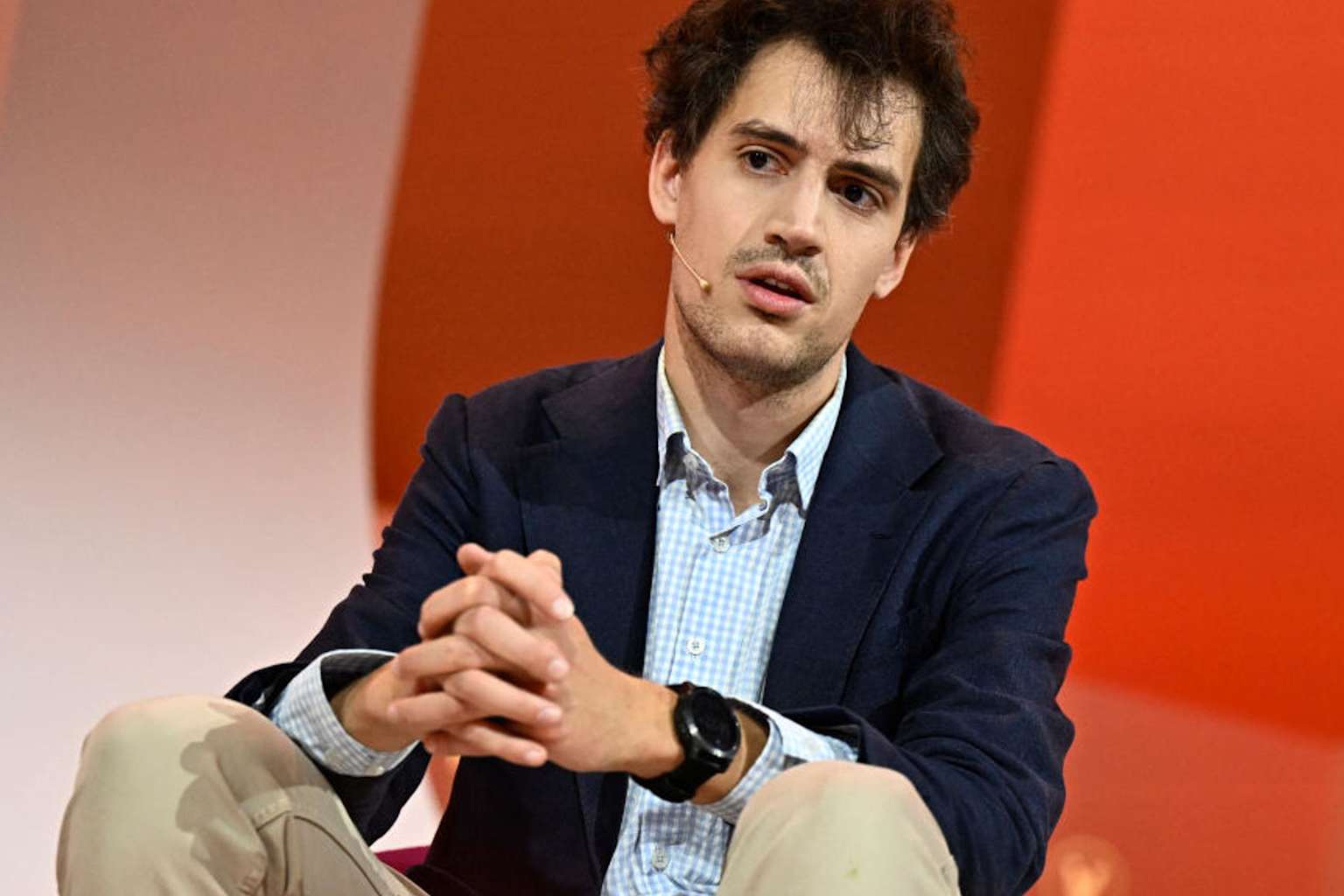
Pope Leo XIV released his first encyclical on Monday, a sweeping 42,300-word document titled “Magnifica Humanitas” that calls on governments and corporations to slow the pace of artificial intelligence development and subject the technology to robust ethical oversight. Days later, Mistral AI CEO Arthur Mensch publicly rejected the pope’s criticism of AI in warfare, arguing Europe cannot afford to fall behind its adversaries.
The encyclical, formally released on May 25 to coincide with the 135th anniversary of “Rerum Novarum,” frames AI as a potentially “valuable instrument” but one that demands strict guardrails. Pope Leo declared it “unacceptable” to delegate lethal decisions to AI systems and warned that some autonomous weapons have evolved to a point “practically beyond any human reach to govern them”.reuters
The pontiff urged lawmakers to ensure AI data ownership does not rest solely in private hands, called for protections for workers displaced by automation, and insisted on shielding children from AI-generated harmful content. “What is necessary is a more proactive political engagement that can decelerate progress when everything is speeding up,” Leo wrote.time
He called for AI to be “disarmed, liberated from logics that transform it into a tool for domination, exclusion, and destruction,” comparing its governance needs to those of nuclear energy.aljazeera
On Thursday, Mensch pushed back against the pope’s position on military AI. “We’re all for peace, but if you look at our rivals and adversaries in the world, they’re using artificial intelligence,” Mensch told reporters, according to Reuters. “As long as we have adversaries that are threatening, and they are threatening, we do need to have our own capabilities”.globalbankingandfinance
Mistral, which provides AI models to the French military, announced the same day a new data center in Les Ulis, France, as part of a €4 billion investment plan to reach 200 megawatts of computing power across Europe by the end of 2027.trendingtopics
The encyclical has drawn a range of responses across the technology sector. Anthropic co-founder Chris Olah appeared alongside Pope Leo at the Vatican event marking the document’s launch. In Silicon Valley, some technologists were dismissive, with The New York Times reporting that AI enthusiasts largely shrugged off the pope’s spiritual message. Meanwhile, the document’s declaration that just war theory is “outdated” and its request for pardon over the Church’s historical delays in addressing injustice marked new theological ground.anthropic