





Newsletter Subscribe
Enter your email address below and subscribe to our newsletter

Enter your email address below and subscribe to our newsletter
All voices matter
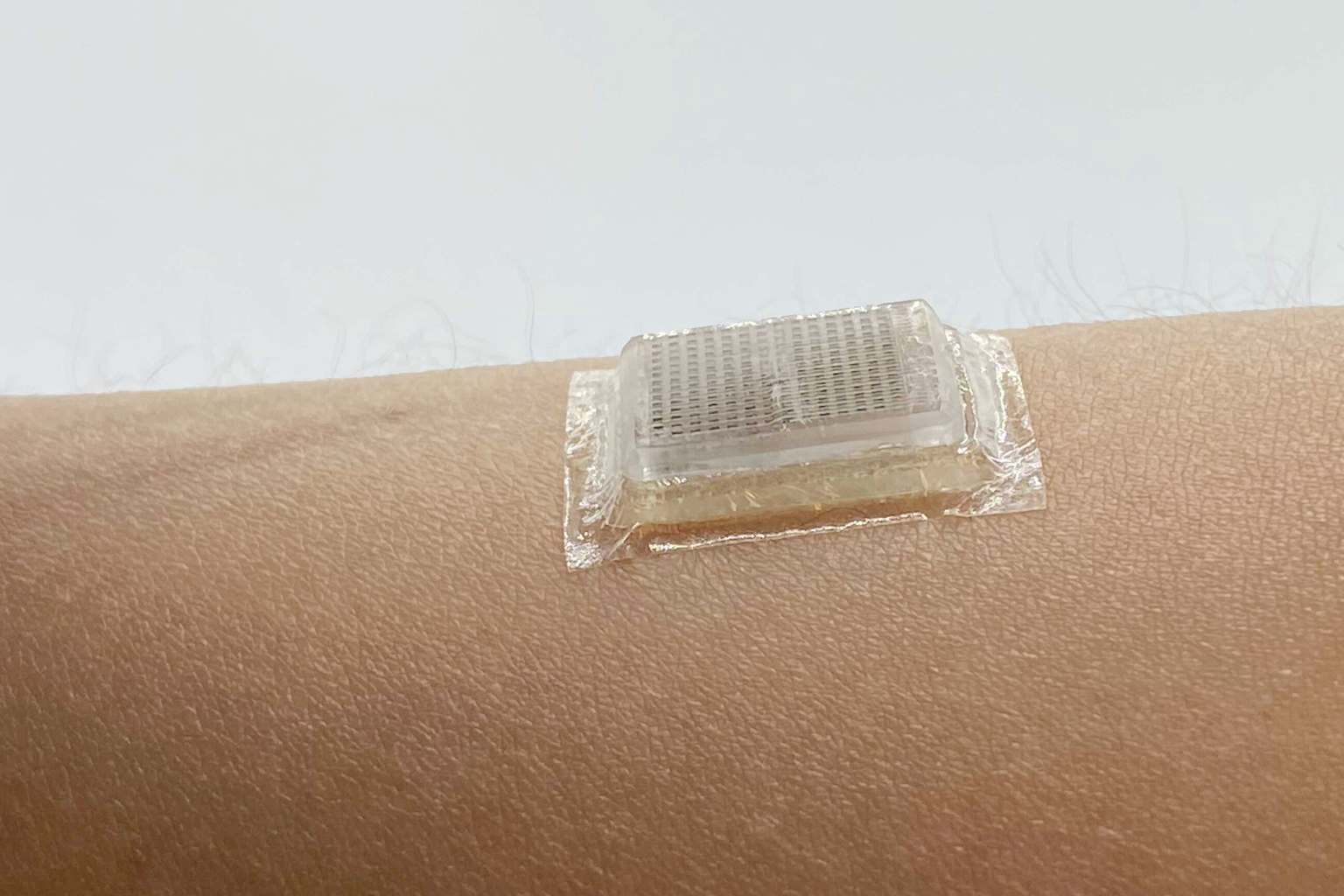
Two research teams have independently unveiled wearable ultrasound devices that could reshape cardiac care and prenatal monitoring, with both studies published in leading journals within the past week.
Engineers at MIT published results on June 2 in Nature Biomedical Engineering describing a postage-stamp-sized ultrasound sticker that can regulate heart rhythms without surgery. The device pairs with a technique called sonogenetics, in which heart cells are genetically engineered to respond to sound waves. When the sticker’s tiny transducers emit ultrasound pulses through the chest, modified ion channels in cardiac cells open, allowing calcium to flow in and triggering the cell to beat.mit
In tests on rats with severe arrhythmias, the sticker quickly restored normal heart contractions. The team envisions a two-step clinical process: a one-time gene therapy injection to sensitize heart cells, followed by continuous use of the wearable sticker connected to a pocket-sized battery pack.interestingengineering
“Pacemakers are one of the most important and widely used human implants, and they have saved millions of lives,” said co-corresponding author Gengxi Lu. “But they are invasive, and they make direct contact with the beating heart. The dream for many years has been noninvasive heart stimulation with ultrasound.”mit
Around 3 million adults in the United States currently live with surgically implanted pacemakers. The MIT team, led by professor Xuanhe Zhao, plans to combine the pacing sticker with their earlier ultrasound imaging sticker to create a single device that monitors the heart in real time and delivers corrective pulses when it detects an arrhythmia.interestingengineering
Separately, engineers at UC San Diego, Stanford University, and the University of Oxford published research on May 26 in Nature Biotechnology describing UPatch, a soft adhesive ultrasound patch that continuously monitors fetal blood flow and anatomy for hours at a time. The device was validated across 62 pregnancies, including cases complicated by gestational diabetes, pre-eclampsia, and abnormal fetal growth.ucsd
A key innovation is the patch’s autonomous tracking algorithms, which follow the fetus and umbilical cord as they move, maintaining consistent measurements without a trained sonographer guiding a probe. In one clinical case, UPatch detected prolonged abnormal fetal signals that led to an early Cesarean delivery at 29 weeks — a finding researchers say may have helped save the baby’s life.ucsd
“With continuous monitoring, we were able to observe dynamic fluctuations in blood flow that would likely be missed with conventional ultrasound exams,” said co-first author Hao Huang.ucsd
Both devices remain in early stages. The MIT pacemaker has been tested only on rats and engineered human cells, and the gene therapy component would need regulatory approval before any human trials. UPatch currently relies on a wired connection to a computer and requires a conventional ultrasound scan for initial positioning. Both teams are working toward fully wireless, integrated versions of their devices.euronews