





Newsletter Subscribe
Enter your email address below and subscribe to our newsletter

Enter your email address below and subscribe to our newsletter
All voices matter
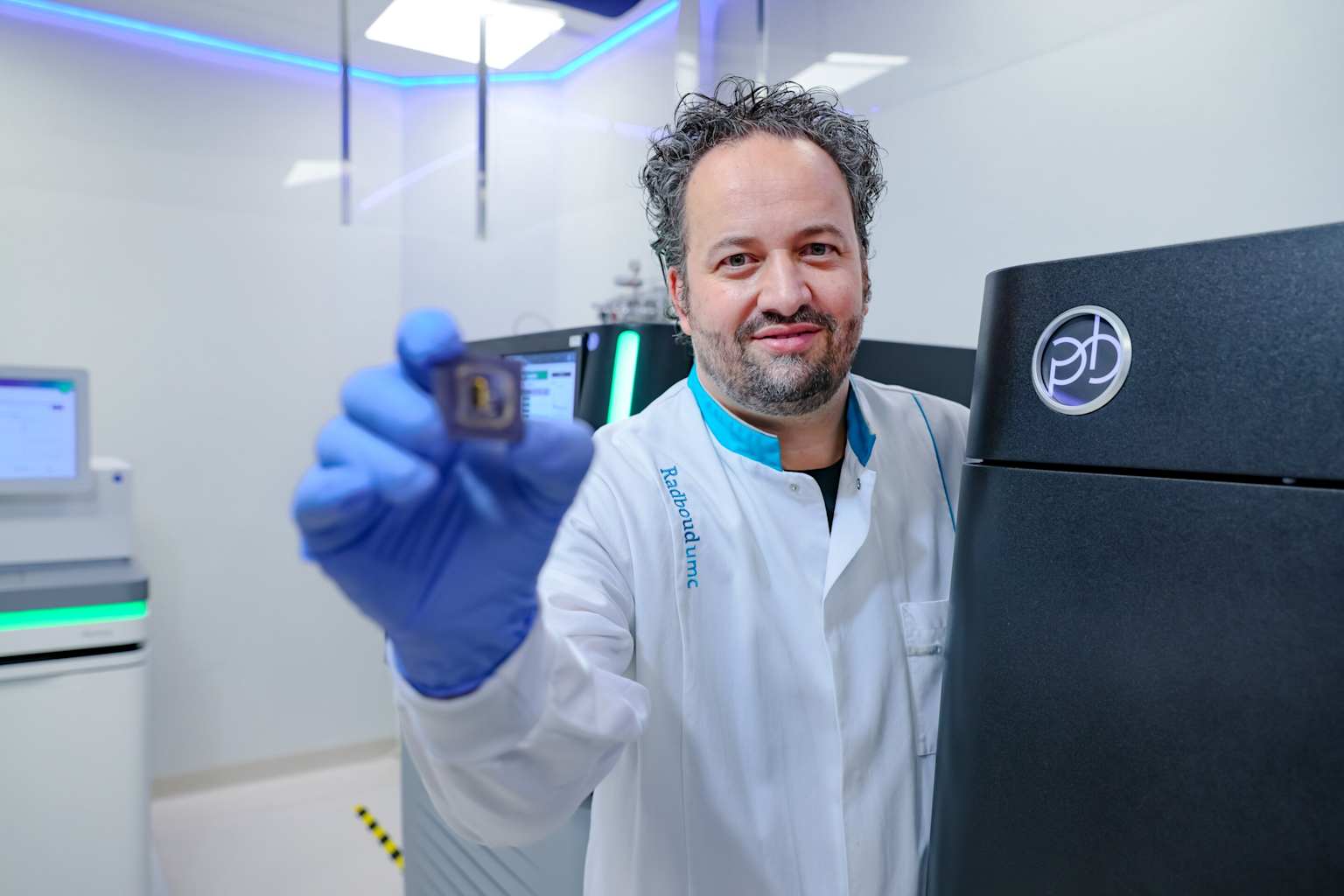
Researchers at Radboud University Medical Center have published a study in the New England Journal of Medicine recommending that a new long-read genome sequencing test become the global first-choice diagnostic for rare genetic disorders. The test, which reads DNA segments up to 20,000 base pairs long compared to the current standard of about 300, yielded 3% more diagnoses and can replace up to 15 existing tests.medicalxpress
The study, published on June 13, compared current standard diagnostics with the new long-read approach in approximately 1,000 patients. Of 832 patients with rare genetic disease, a conclusive diagnosis was made for 160 patients (19.2%) using long-read genome sequencing, compared with a lower rate under conventional short-read methods.nejm
“We showed that the new test yields 3% more diagnoses. It can also replace 15 other tests. We recommend using this test worldwide as the first choice,” said Lisenka Vissers, Professor of Translational Genomics at Radboudumc.medicalxpress
The technique works like assembling a jigsaw puzzle with much larger pieces, making it far easier to construct a complete picture of a patient’s genome. Beyond reading the DNA sequence itself, the test also captures epigenetic modifications — chemical marks on the outside of DNA that can switch genes on or off and sometimes cause rare disorders.medicalxpress
“With current diagnostics, this requires additional specialized tests, but with long reads we capture these modifications as a bonus — 2 in 1,” explained Christian Gilissen, Professor of Genome Bioinformatics at Radboudumc.medicalxpress
Up to 400 million people worldwide live with a rare disease, across more than 7,000 different types, 80% of which have a genetic cause. Patients often wait years for a diagnosis, which can provide clarity about prognosis, connect them with others in similar situations, and inform family planning decisions.medicalxpress
The research builds on earlier work by the same Radboud team, published in the American Journal of Human Genetics in January 2025, which showed that long-read sequencing could identify 93% of challenging pathogenic variants that are difficult or impossible to detect with conventional short-read techniques.nih
Alexander Hoischen, Professor of Genomic Technologies at Radboudumc, said the diagnostic yield is expected to continue rising. “Thanks to long reads, we obtain an even more complete view of DNA and can detect complex and hard-to-find abnormalities. We then link these to specific conditions. In this way, our knowledge grows and we can make more diagnoses”.medicalxpress