







Newsletter Subscribe
Enter your email address below and subscribe to our newsletter

Enter your email address below and subscribe to our newsletter
All voices matter
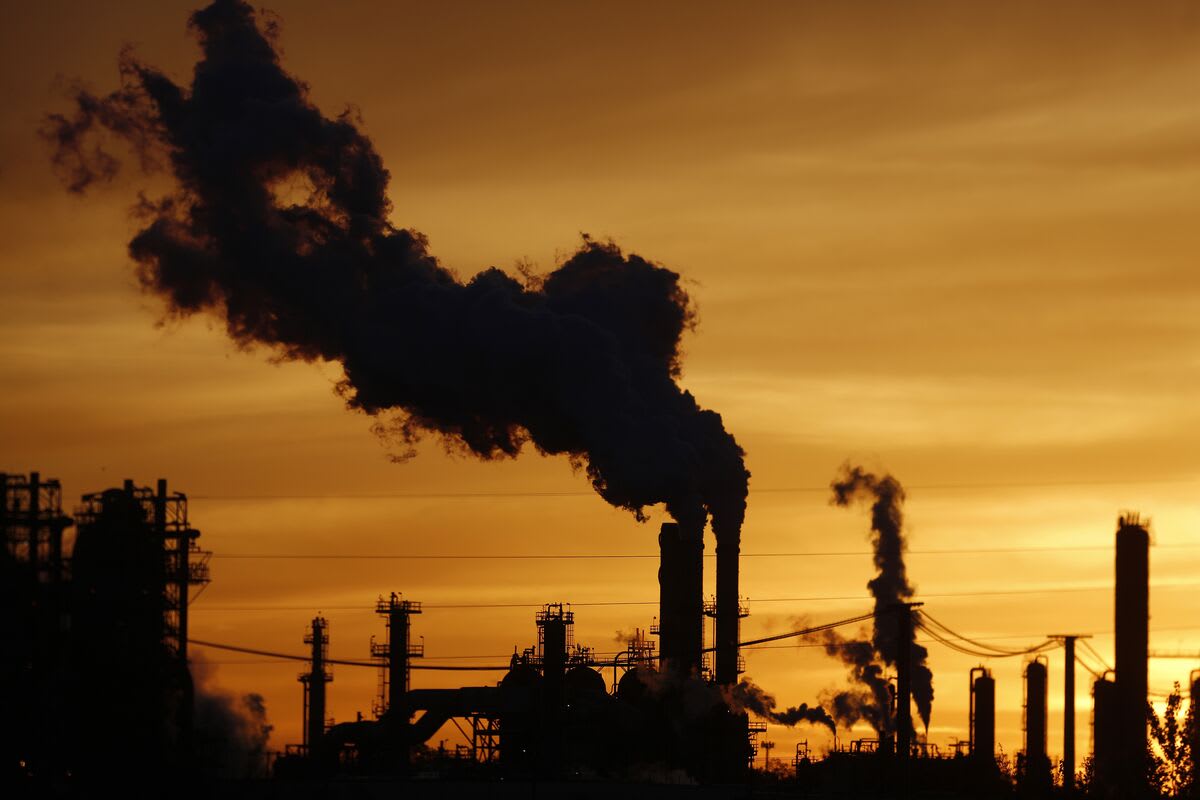
A paper published in the journal Science on June 11 reveals that so-called indirect greenhouse gases are responsible for approximately 15% of current global warming — about 0.3°C — yet remain outside the climate policy frameworks that guide international emissions targets.science
The study, titled “Integrating indirect greenhouse gases into climate frameworks,” argues that policymakers must go “beyond the basket” of pollutants originally addressed by the Kyoto Protocol nearly 30 years ago. The gases in question — carbon monoxide, nitrogen oxides, non-methane volatile organic compounds, and molecular hydrogen — do not trap heat directly but trigger atmospheric chemical reactions that produce tropospheric ozone and extend the lifetime of methane, amplifying their warming effect.sparkclimate
Unlike carbon dioxide or methane, indirect greenhouse gases persist in the atmosphere for only hours to a few years. But because human emissions of these compounds are so large and continuous, their cumulative warming effect is substantial. They operate through three main pathways: forming new greenhouse gases such as tropospheric ozone, consuming hydroxyl radicals that would otherwise break down methane, and producing small additional amounts of carbon dioxide as they oxidize.sparkclimate
The research identifies molecular hydrogen as an “emerging” indirect greenhouse gas, noting its potential to grow as hydrogen energy deployment expands.wiley
The paper’s central policy argument is that most countries do not account for these pollutants in their nationally determined contributions under the Paris Agreement. The Kyoto Protocol established a “basket” of six direct greenhouse gases — carbon dioxide, methane, nitrous oxide, and three fluorinated gases — that has largely defined which emissions countries track and pledge to reduce. Indirect greenhouse gases were left out of that framework and have remained excluded since.yahoo
Steven J. Smith of the University of Maryland’s Center for Global Sustainability is among the researchers involved in related work on the interface between air pollution and climate systems.umd
Scientists say reducing indirect greenhouse gas emissions could deliver near-immediate climate benefits because of their short atmospheric lifetimes, unlike carbon dioxide reductions whose effects take decades to materialize. The compounds also degrade air quality, meaning that curbing them would simultaneously reduce respiratory illness and other health harms associated with ground-level ozone and particulate pollution.bloomberg
The findings arrive as global climate governance faces mounting pressure, with human-induced warming having reached 1.37°C above pre-industrial levels in 2025, according to the latest Indicators of Global Climate Change report.copernicus