








Newsletter Subscribe
Enter your email address below and subscribe to our newsletter

Enter your email address below and subscribe to our newsletter
All voices matter
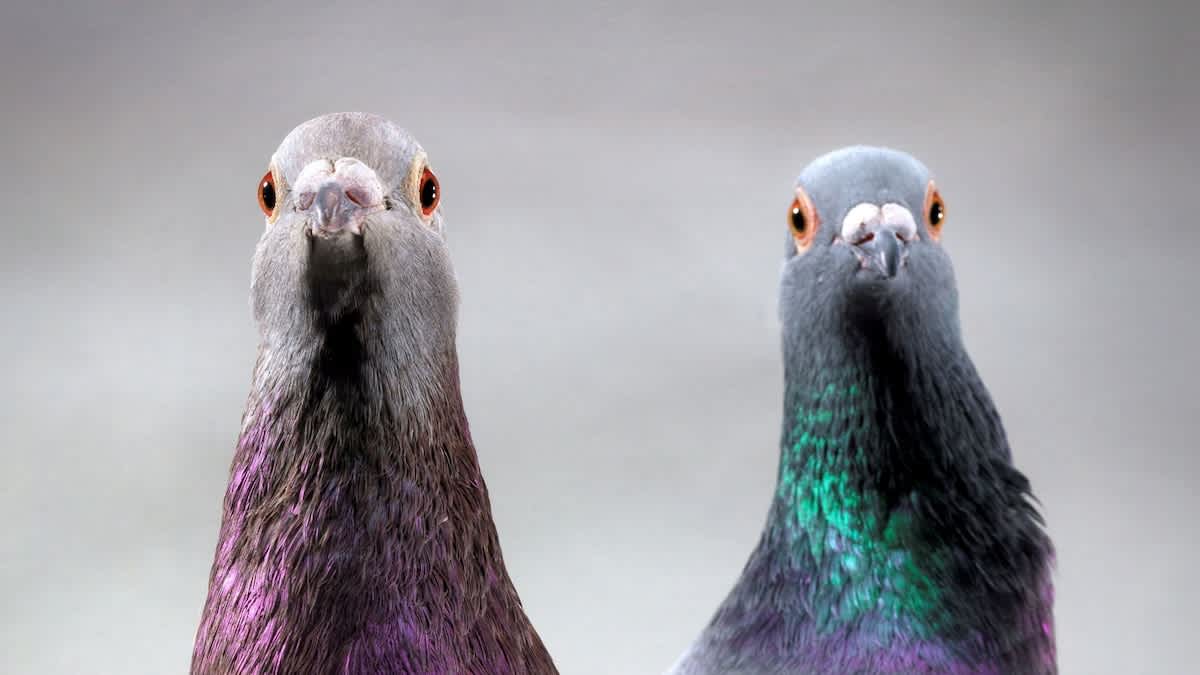
For decades, scientists have known that birds can sense Earth’s magnetic field, but the biological mechanism behind this ability remained one of nature’s most stubborn mysteries. A study published this week in the journal Science has now located an unexpected answer: iron-rich immune cells in the pigeon’s liver function as an internal compass.phys
Researchers screened the eyes, beaks, brains, spleens, and livers of homing pigeons, finding the highest concentration of iron and the strongest magnetic response in the liver. The cells responsible are macrophages — immune cells that break down old red blood cells and, in the process, accumulate iron crystallized into oxide nanoparticles. This makes the cells superparamagnetic, meaning they can align with and respond to external magnetic fields.popsci
“When pigeons fly, the nanoparticles align with the magnetic field and become ‘magnetized,'” said Clivia Lisowski, a co-author of the study and a postdoctoral researcher in immunology at the University of Bonn, in an interview with Popular Science. “Like that, pigeons can sense Earth’s magnetic field.”popsci
Electron microscopy revealed that these iron-laden macrophages sit close to nerve fibers in the liver, suggesting a pathway for magnetic information to travel to the brain. The behavioral evidence proved equally compelling: when researchers temporarily removed the macrophages and released the pigeons, the birds “just couldn’t find their way,” said Christian Kurts of the University of Bonn.ctvnews
The loss of navigation occurred only on overcast days. When the sun was visible, the pigeons still found their way home using solar cues, indicating the birds rely on both visual and magnetic orientation systems.nationalgeographic
“These findings provide the first concrete evidence of how Earth’s magnetic field can be perceived within the body and passed on to the brain to guide movement,” Lisowski said. The study, conducted by a team including researchers from the Max Planck Institute of Animal Behavior, overturns earlier hypotheses that placed the magnetic sensor in the beak or eyes and opens new questions about whether similar mechanisms exist in other migratory animals.arstechnica