




Newsletter Subscribe
Enter your email address below and subscribe to our newsletter

Enter your email address below and subscribe to our newsletter
All voices matter
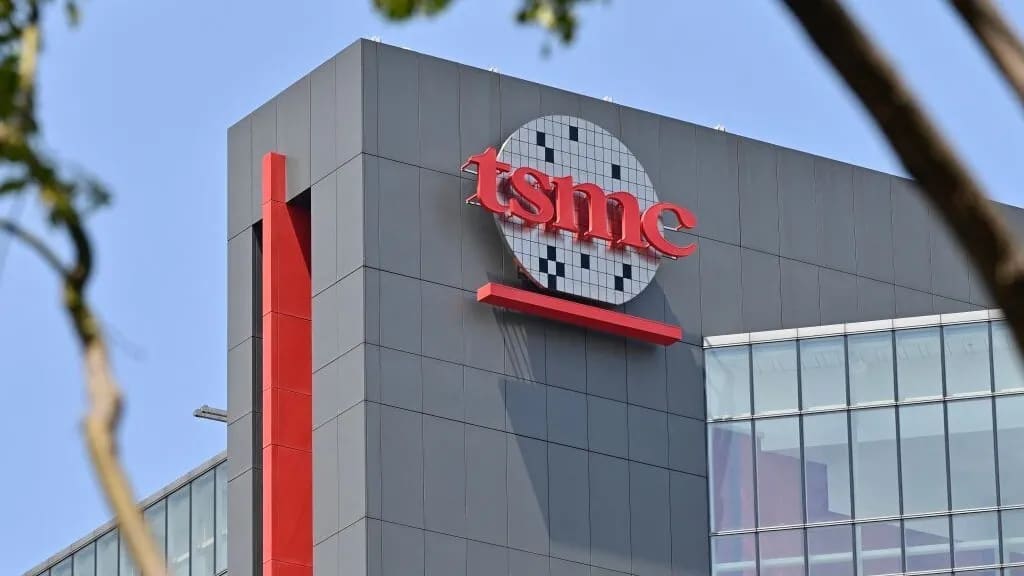
Taiwanese authorities are considering tighter export controls on AI chip sales to China, aiming to close loopholes that have allowed advanced semiconductors to be diverted from the island to Chinese buyers, according to a Bloomberg report on Monday.cnbctv18
The proposed measures would give Taiwan more legal tools to combat semiconductor smuggling and further align the island’s trade policies with U.S. restrictions on China’s access to advanced AI hardware. Shares of TSMC slipped following the report.
The deliberations come weeks after Taiwan’s first-ever enforcement action against chip smuggling. In late May, Taiwanese authorities detained three individuals accused of forging export documents on Super Micro Computer servers containing Nvidia GPUs, routing them to China, Hong Kong, and Macau via Japan. Prosecutors alleged the suspects falsified customs paperwork to obscure the AI chips inside the servers, circumventing U.S. export controls.aiweekly
That case followed the March 2026 U.S. Department of Justice indictment of Super Micro co-founder Wally Liaw and two associates over an alleged $2.5 billion GPU smuggling conspiracy involving Nvidia-powered AI servers shipped to Chinese customers.fdd
Taiwan has steadily tightened its export control framework over the past year. In June 2025, Taiwan’s Ministry of Economic Affairs added Huawei and Semiconductor Manufacturing International Corporation (SMIC) to its strategic high-tech commodities entity list, requiring Taiwanese companies to obtain permits before exporting to those firms.thediplomat
The latest considerations arrive amid intensifying pressure from Washington. On Monday, a bipartisan pair of U.S. senators urged the Bureau of Industry and Security to examine whether contract chipmakers like TSMC could be exploited by Chinese firm subsidiaries placing custom chip orders overseas. Separately, the U.S. Commerce Department recently reaffirmed that AI chip licensing requirements apply to all enterprises headquartered in China, including their overseas subsidiaries.aljazeera
The moves underscore how Taiwan — home to the world’s most advanced chip foundries — has become a central node in enforcing the technology blockade against Beijing. TSMC’s CEO warned earlier this month that global chip supply will fall short of AI-fueled demand for years, raising the stakes of any further restrictions on where those chips can flow.bloomberg