Newsletter Subscribe
Enter your email address below and subscribe to our newsletter
Enter your email address below and subscribe to our newsletter

All voices matter
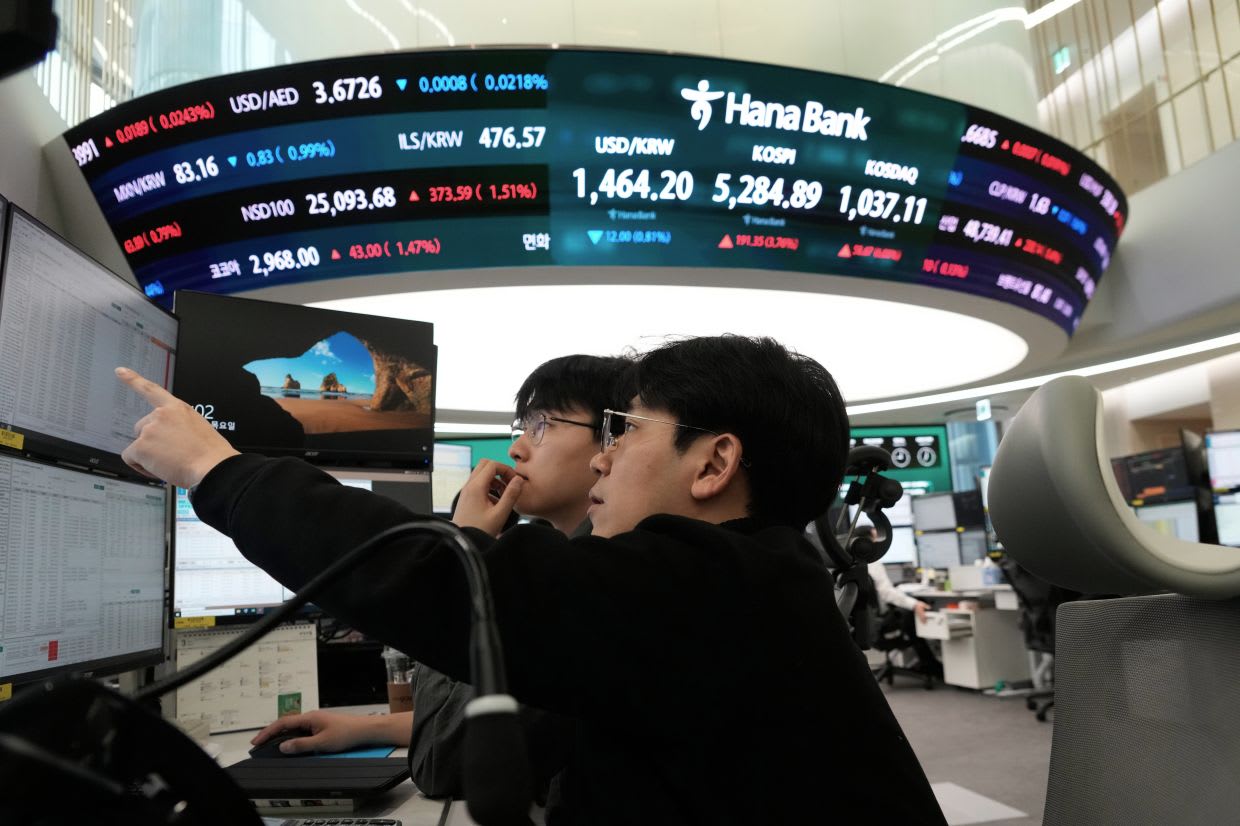
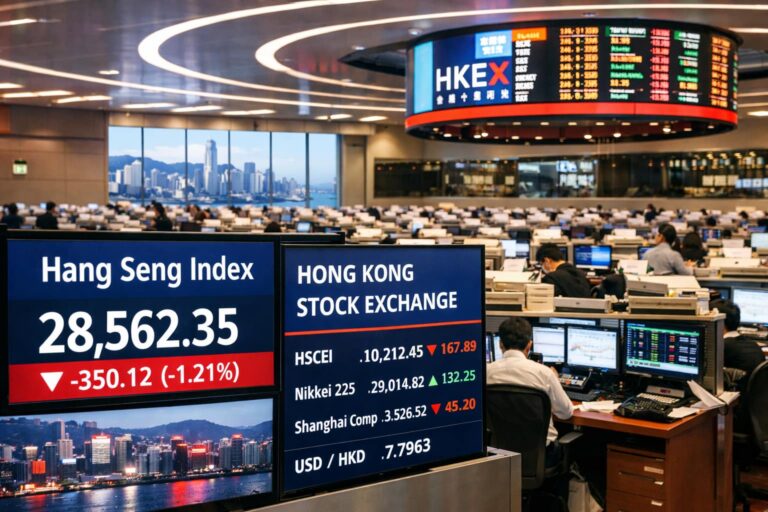
Emerging Asian equity markets rallied on Monday as investors poured into artificial intelligence-linked chip stocks in Taiwan and South Korea, pushing the MSCI Emerging Markets Asia index to an all-time high even as a strengthening U.S. dollar dragged regional currencies lower for a third straight session.
Taiwan’s Taiex surged 2.75%, or 1,276 points, to close at a record 47,741.51, buoyed by Taiwan Semiconductor Manufacturing Co., which rose 4.15% to close at NT$2,510 after its American depositary receipts gained nearly 7% on Thursday. TSMC, which accounts for more than 40% of Taiwan’s total market value, contributed roughly 800 points to the Taiex’s advance. Foreign institutional investors were net buyers of NT$68.46 billion on the main board.focustaiwan
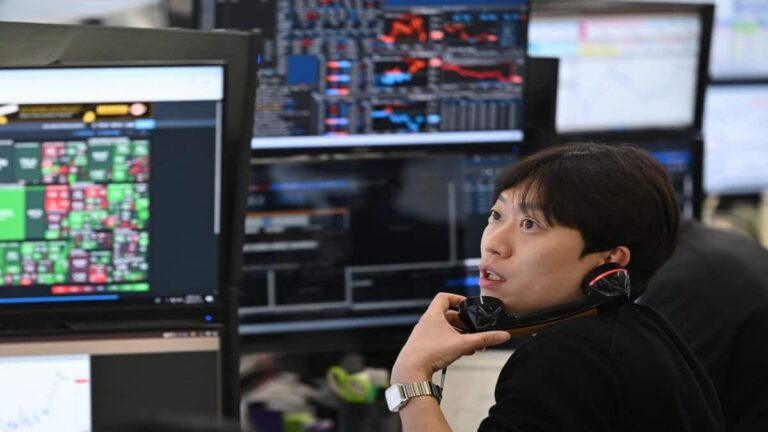
In Seoul, the Kospi opened sharply lower, falling 1.08% to 8,954.43, before reversing course as household and pension fund money flowed back into semiconductor names. By midmorning, the index was up roughly 2%, trading near the 9,240 level. Samsung Electronics and SK Hynix led the rebound. The Kosdaq closed modestly higher, gaining 0.19% to 968.40.sedaily
The MSCI Emerging Markets Asia index rose more than 1.5% to a new record, driven by the AI-heavy markets of Taiwan and South Korea, which together account for about 60% of the gauge’s composition, according to Reuters.reuters
The rally in equities did not extend to foreign exchange markets. The MSCI emerging-market currency index declined 0.3% for a third consecutive day as uncertainty over the U.S.-Iran peace negotiations and a firm dollar weighed on regional currencies.usnews
The South Korean won weakened to around 1,531 per dollar on Monday, its highest opening level in 10 trading days. The won has been averaging above 1,520 per dollar in June, the weakest monthly average since South Korea’s late-1990s financial crisis, according to Bank of Korea data. Over the past 12 months, the won has depreciated more than 12% against the greenback.chosun
The Indian rupee also broke a six-day winning streak, while the Indonesian rupiah slipped further.reuters
The divergence between surging equities and weakening currencies reflects the unusual dynamics of the current AI-driven investment cycle. South Korea and Taiwan have become indispensable nodes in the global semiconductor supply chain, with information technology accounting for roughly 80% of Taiwan’s equity market and more than half of South Korea’s, according to Bloomberg. Despite a sharp 8.3% single-day Kospi selloff earlier this month triggered by U.S. rate hike fears, the index remains up roughly 78% year-to-date. Taiwan’s market has similarly benefited, having overtaken India as the world’s fifth-largest equity market in May.bloomberg
The dollar’s firmness, however, continues to erode currency returns for international investors, leaving a question over how long the equity rally can run ahead of its FX headwinds.