Newsletter Subscribe
Enter your email address below and subscribe to our newsletter
Enter your email address below and subscribe to our newsletter

All voices matter
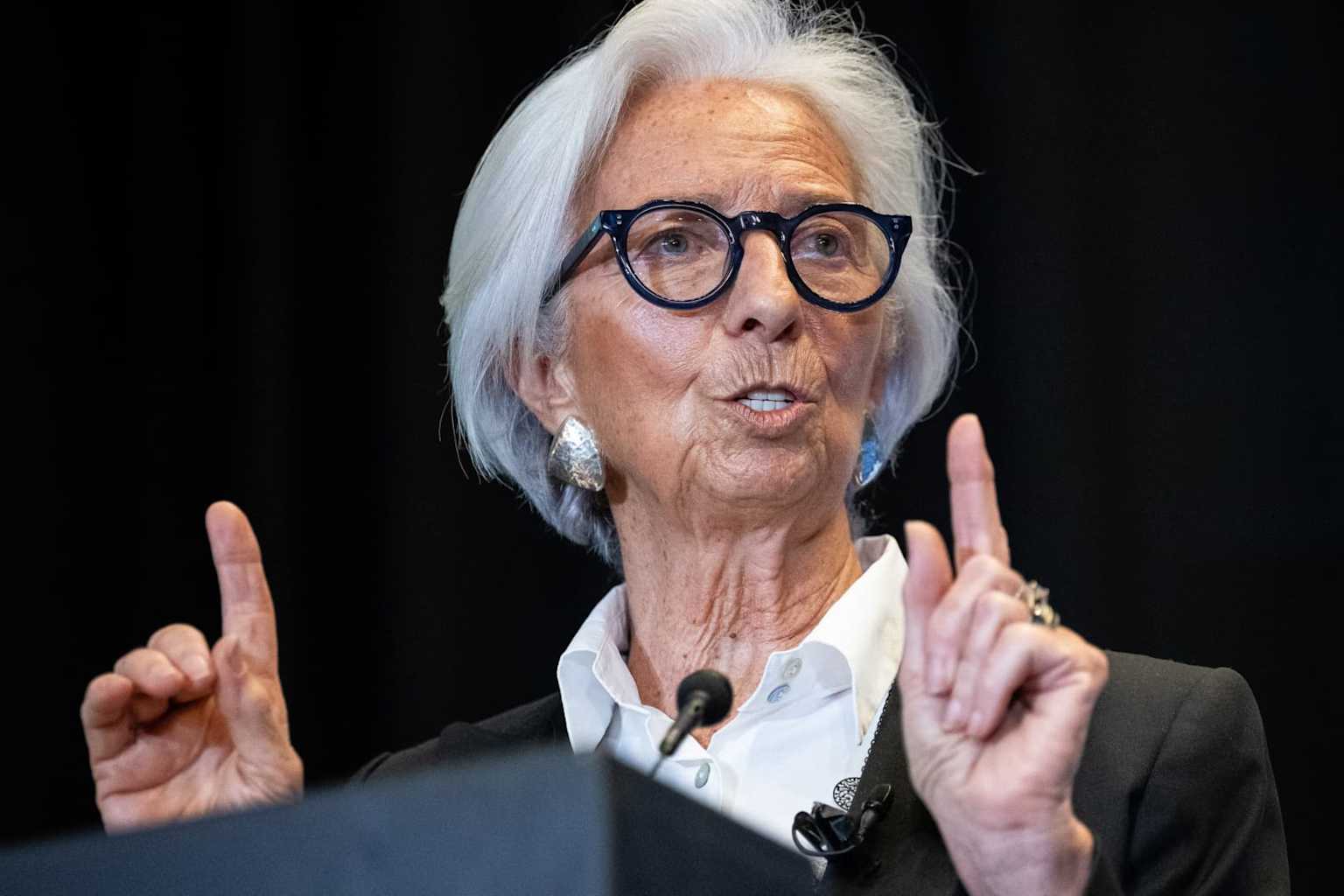
European government bond yields dipped on Monday as signs of progress in weekend peace talks between the United States and Iran eased concerns that diplomatic efforts to end the Middle East conflict were unraveling. But with ECB President Christine Lagarde set to face lawmakers in the European Parliament later in the day, markets quickly turned their attention to the central bank’s next moves amid an energy-driven inflation surge.
Germany’s 10-year bond yield, the benchmark for the euro area, fell 2 basis points to 2.964%, while the rate-sensitive two-year yield declined 1 basis point to 2.634%, according to Reuters. The modest relief followed a turbulent period during which the conflict in the Middle East pushed oil prices sharply higher and forced the ECB to raise its deposit rate by 25 basis points to 2.25% on June 11 — its first hike in nearly three years.lse
The rate increase, described by some economists as an “insurance hike,” came as eurozone inflation hit 3%, driven largely by the disruption of energy flows through the Strait of Hormuz. The ECB revised its 2026 headline inflation forecast to 3.0% from 2.6% and core inflation to 2.5%, reflecting what BNP Paribas called “durably higher energy prices and more pronounced second-round effects”.reuters
ECB Governing Council member José Luis Escrivá, who heads the Banco de España, warned last week that the central bank must remain “particularly agile” in monitoring whether higher energy costs bleed into wages across the eurozone. Speaking at the Foro La Vanguardia in Barcelona, Escrivá said second-round wage effects “have not yet materialized” but cautioned against complacency, noting that an estimated 15% reduction in oil production and historically low inventories meant the outlook remained highly uncertain.econostream-media
“We have seen considerable swings in both directions in recent months, so we need to approach the situation with caution,” Escrivá said.econostream-media
Markets are pricing in roughly two additional quarter-point hikes by year-end, though a move at the July meeting is seen as unlikely unless energy prices spike again. ECB policymaker Pierre Wunsch told Reuters last week that his approach would be “data-driven, evaluated on a meeting-to-meeting basis,” while noting that a second hike could come in September if services inflation does not improve.usnews
The question of whether the ECB should also slow the pace of its quantitative tightening — the gradual rundown of its bond portfolio — has gained traction among analysts who argue the combination of rate hikes and balance sheet reduction risks excessive financial tightening during a supply shock. Lagarde’s appearance before the European Parliament’s Economic and Monetary Affairs Committee on Monday afternoon is expected to address the implications of geopolitical tensions for monetary policy.europa