






Newsletter Subscribe
Enter your email address below and subscribe to our newsletter

Enter your email address below and subscribe to our newsletter
All voices matter
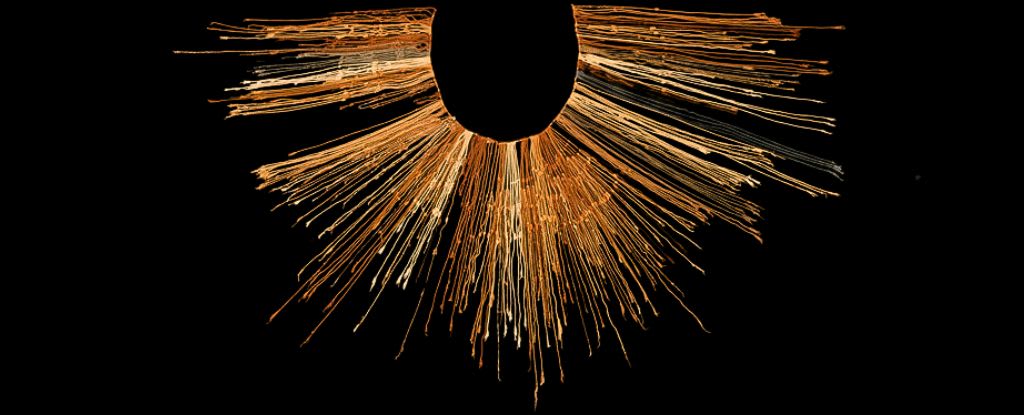
A study of a 500-year-old Inca khipu made from human hair has overturned long-held assumptions about who could create and use these sophisticated record-keeping devices, revealing that commoners in the empire may have been literate in this ancient form of communication.
Published Tuesday in the journal Science Advances, research by anthropologist Sabine Hyland from the University of St Andrews analyzed the isotopic composition of a 104-centimeter strand of human hair woven into the primary cord of a khipu dating to 1498 CE.ypradio
The findings challenge Spanish colonial accounts that suggested only male nobles called khipukamayuqs from high-status families could produce khipus – the knotted cord devices that served as the Inca Empire’s primary system for recording information. These bureaucrats were believed to have exclusive training in khipu literacy and enjoyed privileged access to elite foods including meat and abundant maize beer.iflscience
However, isotope analysis of the hair revealed a diet consisting primarily of tubers, legumes, and greens with little meat or maize – characteristic of a commoner’s diet rather than the elite. “It was a complete shock,” Hyland told IFLScience about receiving the results. “I said, ‘What? This person’s eating potatoes and legumes?!'”ypradio
The diet analysis also suggested the khipu maker likely lived in the Andean highlands, consistent with commoner populations rather than the administrative centers where elite khipukamayuqs would have been based.gizmodo
The discovery suggests khipu literacy was more widespread throughout Inca society than previously understood. In both colonial and modern Andean communities, incorporating hair into a khipu serves as a signature indicating authorship and responsibility for its contents. In Inca tradition, hair carried a person’s essence, making its inclusion particularly meaningful.sciencenews
“The more I looked at it, the more I realized it’s actually very beautiful,” Hyland noted about the khipu’s intricate construction, including “little fine braids and ornamentation” that suggested high skill despite its creator’s common social status.iflscience
These findings align with modern khipu use, where commoners including peasant farmers, herders, and female peasants have continued creating and using these devices into the 19th and 20th centuries. Modern khipus differ structurally from ancient ones but maintain similar principles of encoding information through knots, colors, and cord arrangements.gizmodo
The study represents an unprecedented approach to understanding khipu makers, as most surviving examples come from looted tombs that severed connections between artifacts and their creators. Museums worldwide hold hundreds of unstudied khipus, and researchers expect this methodology could inspire similar analyses of other specimens containing human hair.gizmodo
“Ultimately, this gets us closer to being able to tell Inca histories using Inca sources,” Harvard khipu researcher Manny Medrano, who was not involved in the study, told NPR. “We need to tell a story of literacy and of writing and of recordkeeping in the Inca Empire that is way more plural.”ypradio