






Newsletter Subscribe
Enter your email address below and subscribe to our newsletter

Enter your email address below and subscribe to our newsletter
All voices matter
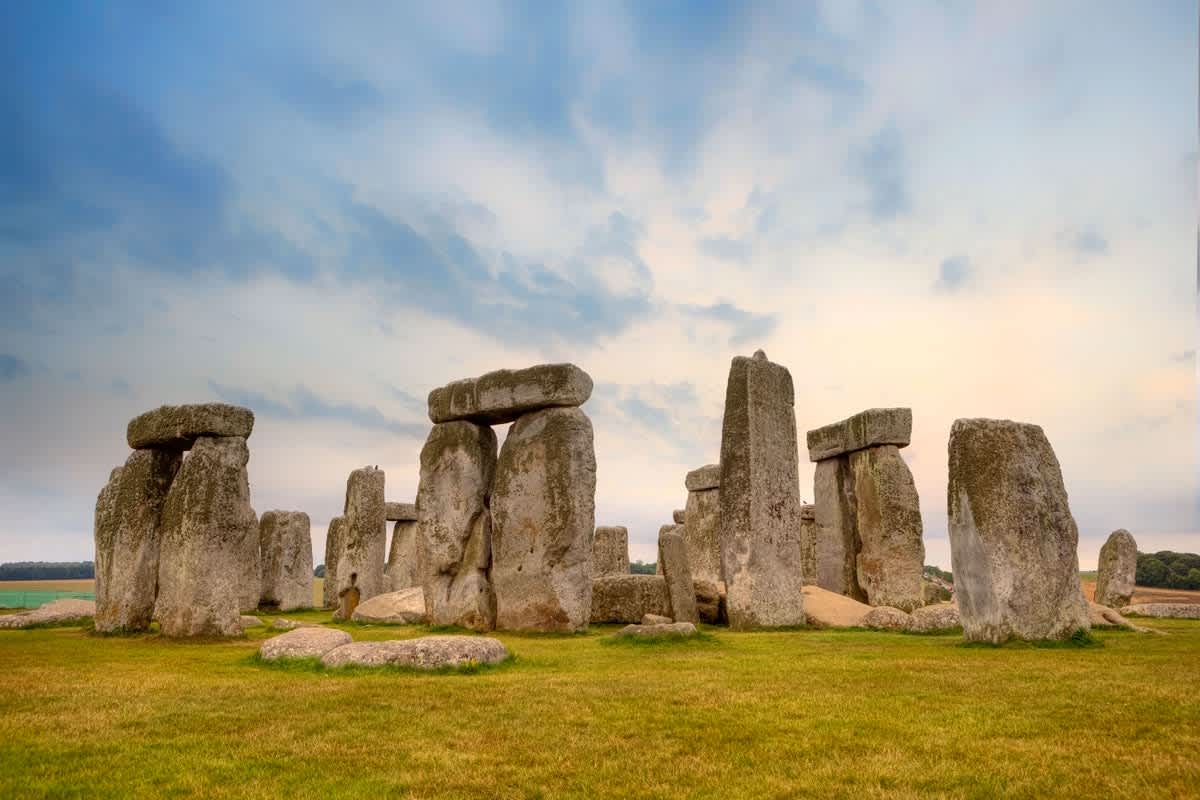
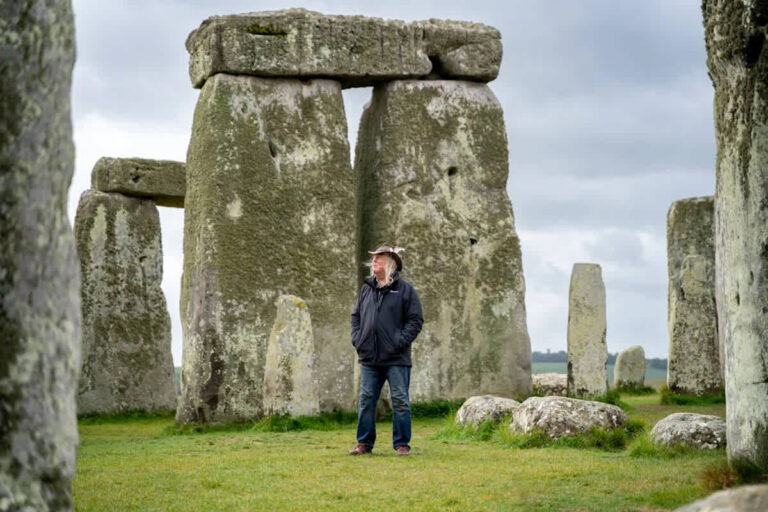
A 5,000-year-old cow tooth has provided the first direct evidence linking cattle remains at Stonehenge to Wales, strengthening theories that the massive bluestone monuments were transported with the help of livestock rather than human labor alone.
Scientists from the British Geological Survey, Cardiff University and University College London published research Wednesday analyzing isotopes from a cow’s molar found beside Stonehenge’s south entrance in 1924. The tooth, dated between 2995 and 2900 BC during the monument’s earliest construction phase, revealed the animal likely originated from areas with Palaeozoic rocks characteristic of Wales before traveling to Wiltshire.independent
The research team sliced the cow’s third molar into nine horizontal sections, each representing approximately six months of the animal’s life. Lead isotopes showed composition spikes during late winter to spring, pointing to geological sources older than surrounding deposits and consistent with Welsh rock formations.zmescience
“It must have been grazing at some time on older rocks, and the obvious conclusion, given it’s Stonehenge, is that Wales is the probable origin of the cow’s early life,” Professor Jane Evans of the British Geological Survey told the BBC.bbc
The analysis also revealed the cow was likely female and pregnant during tooth formation, based on lead stored in bones being remobilized during physiological stress.independent
The findings add weight to theories that cattle served as beasts of burden for transporting Stonehenge’s four-ton bluestones across 125 miles from Welsh quarries. Until recently, archaeologists found no evidence that Neolithic peoples used cattle for heavy labor, but a 2018 study identified foot structures in some cattle bones consistent with draft animals.bbc
“This is yet more fascinating evidence for Stonehenge’s link with southwest Wales, where its bluestones come from,” said Michael Parker Pearson, professor of British later prehistory at UCL. “It raises the tantalizing possibility that cattle helped to haul the stones”.independent
The research, published in the Journal of Archaeological Science, follows recent discoveries reinforcing Stonehenge’s Welsh origins. A July 2025 study confirmed that bluestones were transported by humans rather than glaciers, while separate research revealed the monument’s Altar Stone originated from northeast Scotland rather than Wales.zmescience
“This detailed biographical approach on a single animal provides a brand-new facet to the story of Stonehenge,” said Richard Madgwick, professor of archaeological science at Cardiff University.independent