




Newsletter Subscribe
Enter your email address below and subscribe to our newsletter

Enter your email address below and subscribe to our newsletter
All voices matter
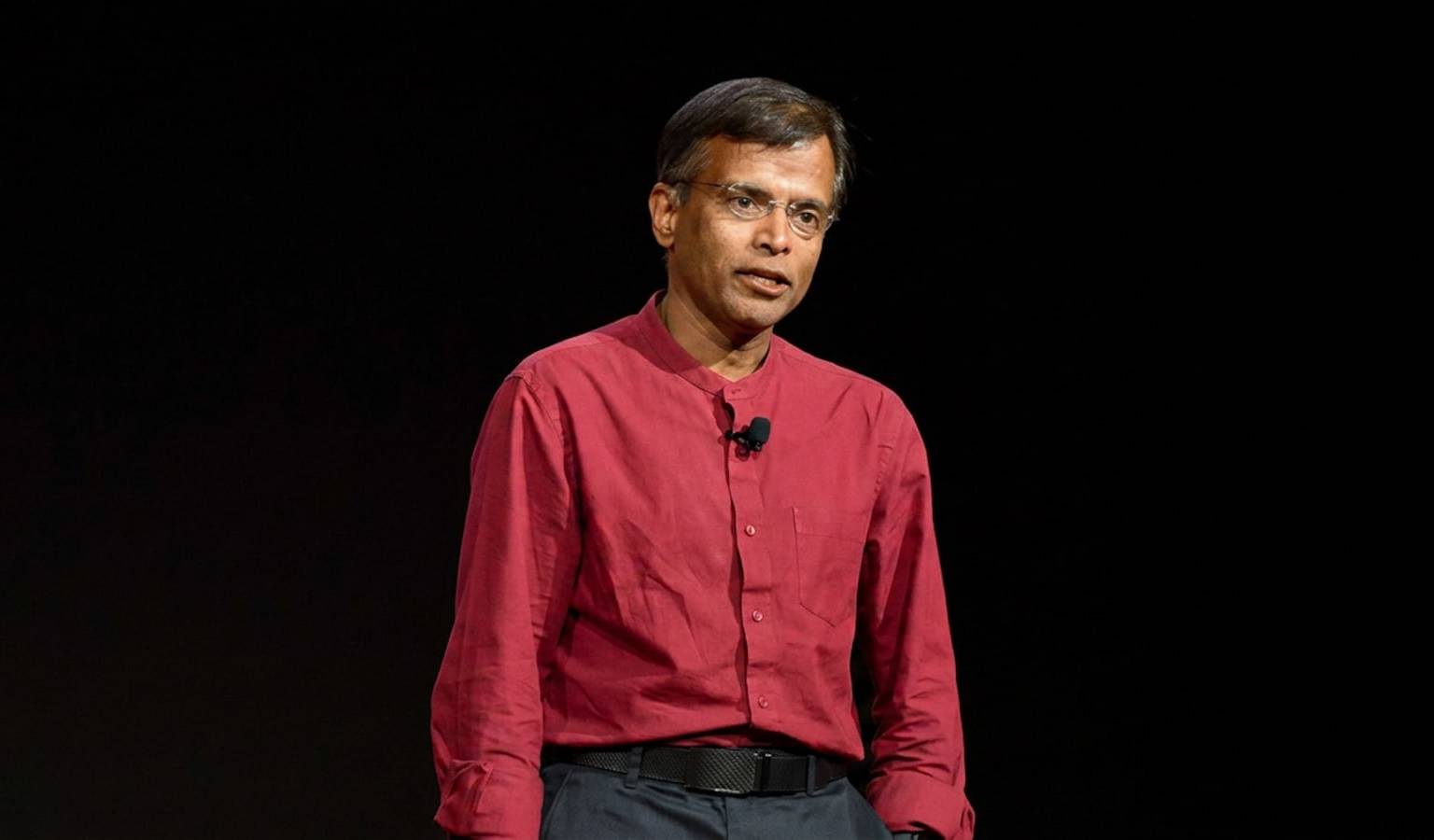
Aswath Damodaran, the NYU Stern professor widely known as the “Dean of Valuation,” has warned that the AI investment boom risks producing a correction more painful than the dot-com bust — not because of overvalued stock prices, but because of the vast amounts of debt now underwriting the buildout.
In a series of recent interviews and writings, Damodaran has argued that what separates the current AI frenzy from the internet mania of the late 1990s is how the spending is being financed. “This has been the biggest infrastructure run-up I think I’ve ever seen in business,” he said, according to Mint. “The amount of money that’s being put into AI CapEx is immense, which means that when the correction comes, the pain will be more intense.”livemint
When the dot-com bubble burst, losses were largely absorbed by equity investors. This time, Damodaran warns, much of the AI infrastructure spending is backed by debt — increasingly from private credit markets rather than traditional banks. “There’s a very real chance that if there’s a correction and companies start having problems, that problem is going to show up as distress and default, and that really doesn’t stay restricted. It spills over into the rest of society,” he said. He drew an explicit parallel to the 2008 financial crisis: “I’m not saying it’s going to be 2008, but 2008 is an example of what happens when lenders overreach, when they lend money at too low a rate, and the correction comes.”livemint
The numbers reinforce his concern. On June 15, Nvidia priced a $25 billion bond offering — its first trip to the debt market since 2021 — that drew roughly $85 billion in orders, according to Bloomberg, more than three times the size of the deal. The offering was upsized from an initial $20 billion target, with maturities stretching to 2056. The company held about $13 billion in cash at the time, according to Reuters.fool
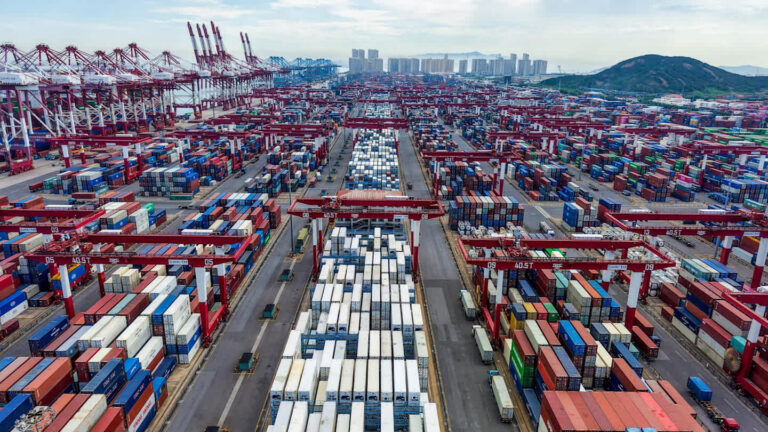
Meanwhile, the hyperscalers are spending at a scale that dwarfs sovereign defense budgets. Google, Microsoft, Amazon, and Meta have collectively guided for roughly $635 to $665 billion in capital expenditure for 2026 alone. At the Everpure Accelerate 2026 summit, the firm’s CFO Tarek Robbiati said hyperscaler spending over the next three years is projected to reach $3 trillion — about twice the U.S. defense budget.yahoo
Damodaran is not alone. In earlier remarks, Moody’s Analytics chief economist Mark Zandi warned that AI-sector borrowing “should be on the radar screen as a mounting potential threat to the financial system and broader economy,” noting that tech bond issuance now dwarfs Y2K-era levels even after adjusting for inflation. Senator Elizabeth Warren in April called the financing structures “convoluted” and urged Congress to act before the bubble bursts, citing analyst estimates that the AI bubble is 17 times the size of the dot-com frenzy.newsmax
As Damodaran put it on the Prof G Markets podcast in May: “It’ll be more widespread. It’ll be more market-wide. And more of a macroeconomic hangover that you take a little longer to get through.”ndtv