







Newsletter Subscribe
Enter your email address below and subscribe to our newsletter

Enter your email address below and subscribe to our newsletter
All voices matter
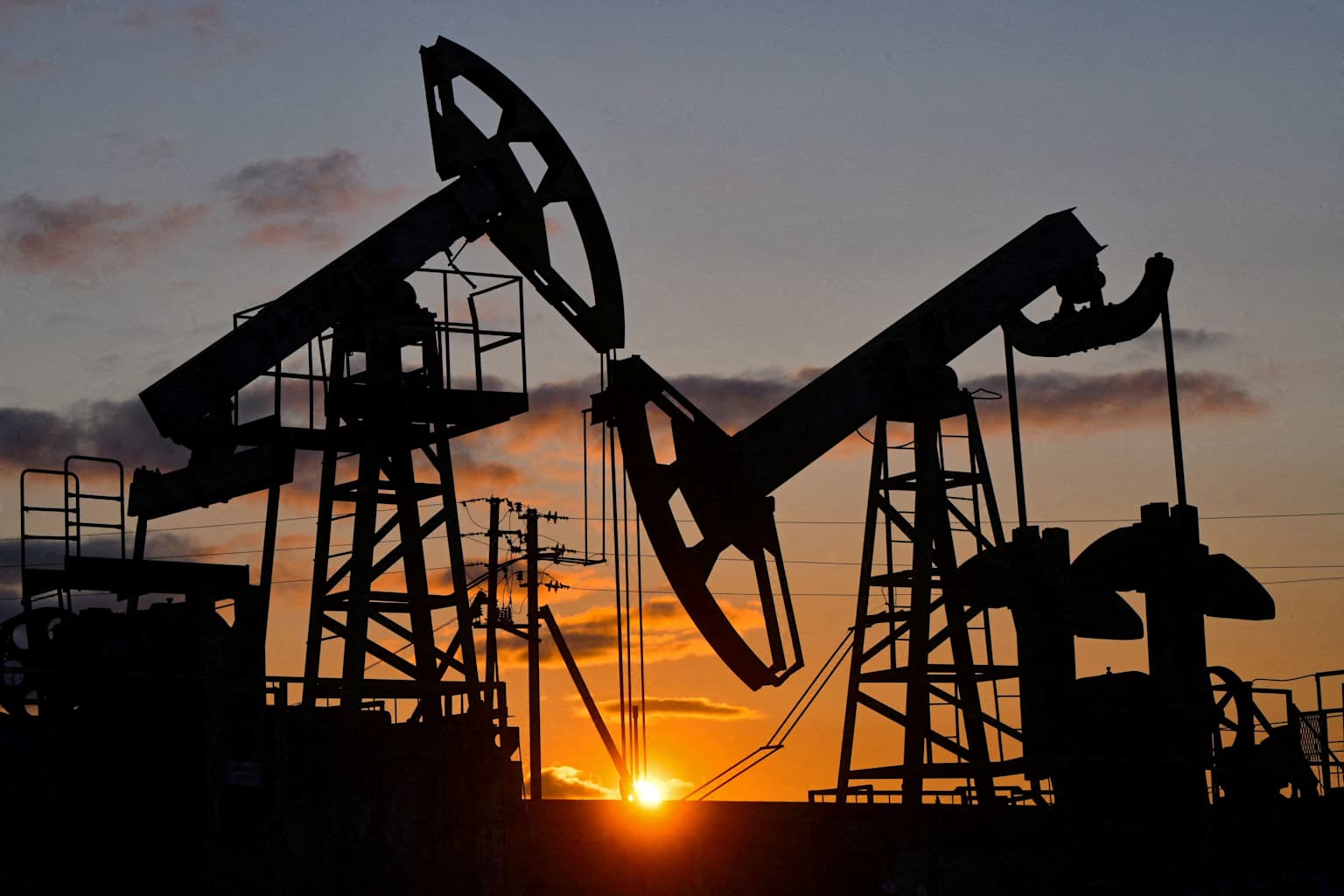
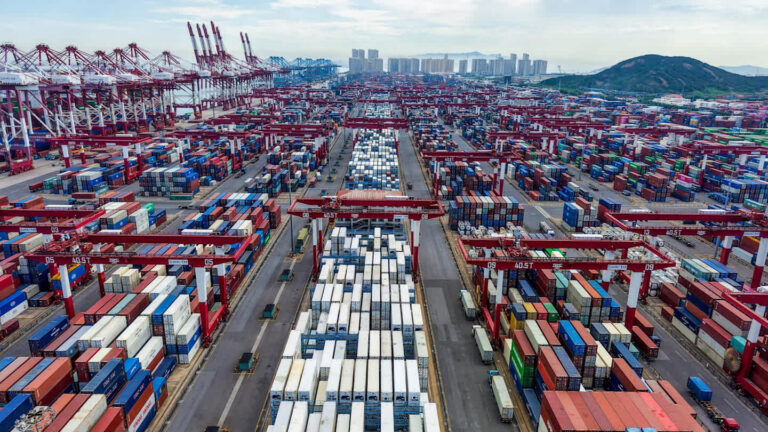
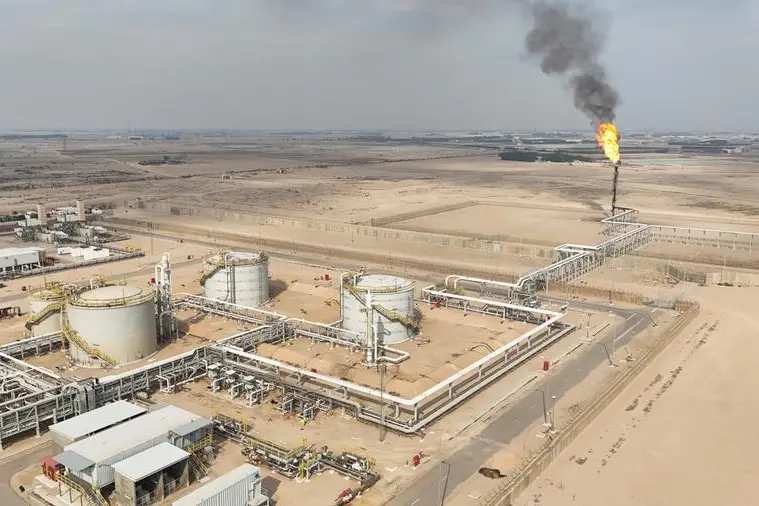
The U.S.-Iran war has delivered a windfall to oil and gas companies even as consumers worldwide struggle with elevated energy costs, according to new analysis from the environmental advocacy group 350.org released on Thursday. The report estimates that $374 billion has already been transferred from households and businesses to the fossil fuel industry through higher prices since the conflict began on February 28, with total costs projected to exceed $700 billion by year’s end.
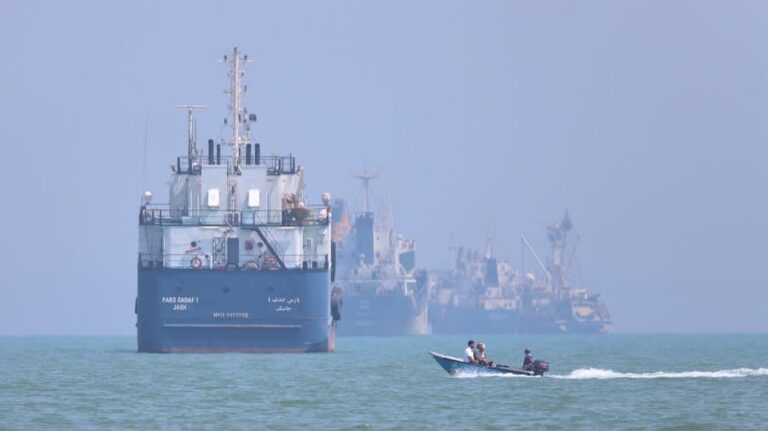
The 350.org analysis, published the same day the United States lifted its naval blockade of the Strait of Hormuz, found that even with the waterway set to reopen, prices are unlikely to return to pre-war levels anytime soon. Using pricing scenarios from the International Monetary Fund, the group calculated that between $667.2 billion and $702.3 billion will flow from consumers to oil and gas companies by the end of 2026 due to persistently elevated prices.nbcnews
The findings align with a separate estimate from the Institute on Taxation and Economic Policy, which calculated that Americans alone have paid nearly $54 billion extra for gas and fuel — more than $400 per household — since the war started.asiatimes
350.org called on governments to impose windfall profit taxes on oil and gas companies and to accelerate deployment of renewable energy. The group has been tracking the war’s economic impact since March, when it first reported that over $100 billion had been siphoned from consumers in the conflict’s opening month.350
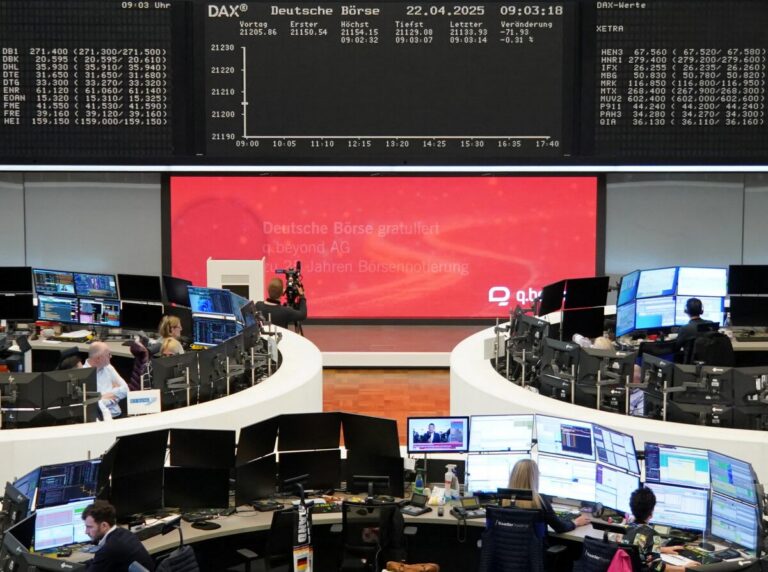
On Wednesday, President Trump and Iranian President Masoud Pezeshkian finalized a memorandum of understanding stipulating that the Strait of Hormuz would reopen without tolls for a minimum of 60 days. Oil prices fell below $80 per barrel following the announcement, but analysts cautioned that restoring physical supply will take weeks or months. Patrick De Haan, a petroleum analyst at GasBuddy, told CBS News it could take “until potentially mid-to-late 2027” for gas prices to fully normalize.cnbc
During the conflict, Brent crude peaked at around $120 per barrel after starting near $72 before the war — a surge of more than 55%. Nationwide gasoline prices reached $4.48 per gallon in early May before easing to around $4.06 as of this week, according to the American Automobile Association.aljazeera
The economic toll has been accompanied by cascading humanitarian consequences. The International Rescue Committee warned in a midyear update that the Iran war, combined with other global conflicts, is displacing populations, increasing food insecurity, and disrupting aid operations. The IRC projected that an additional 45 million people may face acute hunger by the end of 2026 as a result of the Middle East conflict. A separate inter-agency report noted large-scale internal displacement in Iran and Lebanon, with over 31 million people already forcibly displaced across the broader Middle East prior to the war’s outbreak.spectrumlocalnews